Categories
Health
10143 articles

Health
Selecting The Next WHO Director-General: Learning From Predecessors (Part I) - Health Policy Watch
The World Health Assembly chooses a new chief for the World Health Organization in May 2027. Before judging the candidates, assess the predecessors. Eight people have held the post over 78 years. Their varied track record offers pointers for selecting the future incumbent. Every five years, WHO rediscovers that its Director-Generalship is a political office metaphorically clad in a white coat. The search for Dr Tedros Adhanom Ghebreyesus’s successor is underway: six prospective candidates are publicly listed, others may stay sealed until November. The hopefuls will present their case in webcast member state hearings before the Executive Board shortlists three of them in February 2026. The 80th World Health Assembly makes the final selection by secret ballot next May.
Health Policy Watch·

Health
Chinese court sentenced former mayor of Wuhan city to 14 years in prison for bribery - Global News
Zhou Xianwang, left, the mayor of Wuhan, exchanges documents with Bai Zhongbin, right, deputy commander-in-chief of China's People's Liberation Army (PLA) Joint Logistic Support Force, during a handover ceremony at the Huoshenshan temporary field hospital in Wuhan in central China's Hubei Province, Feb. 2, 2020. (Chinatopix via AP). BEIJING (AP) — A former mayor of a Chinese city hit by the coronavirus outbreak more than six years ago was sentenced Saturday to 14 years in prison after being convicted of bribery.
Global News·
Health
Rome hosts mental health roundtable inspired by Pope’s prayer intention - Vatican News
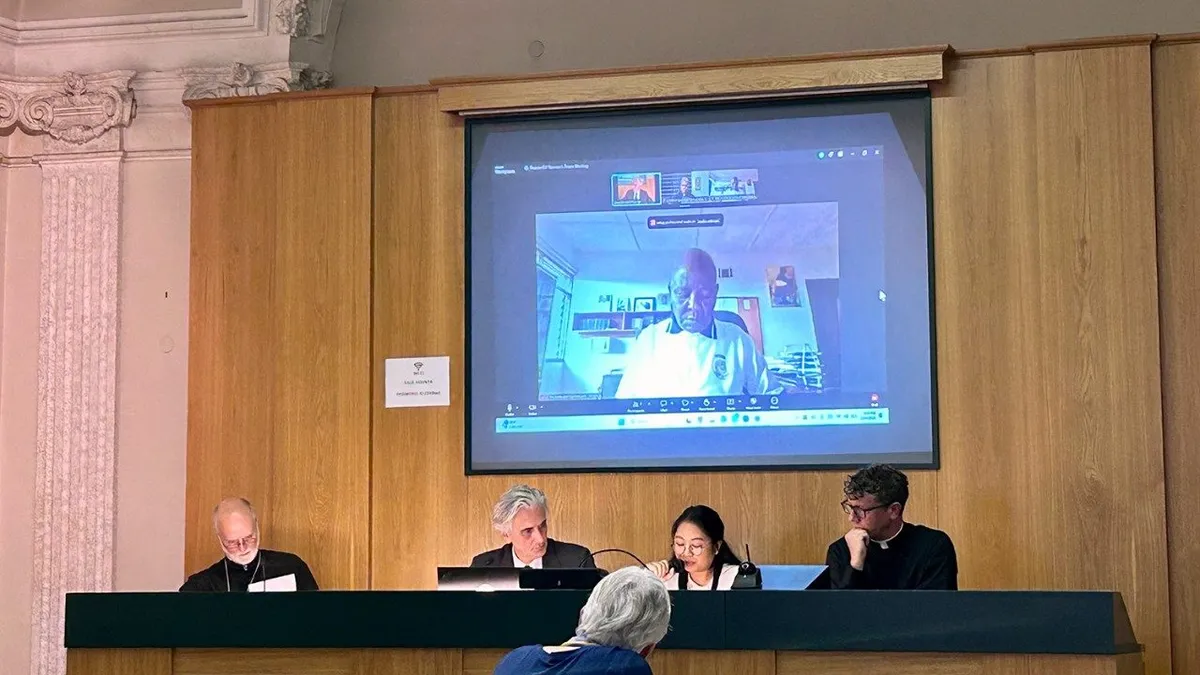
A meeting entitled “A Healing Presence: The Church’s Call to Mental Health Ministry,” organized by the Catholic Mental Health Ministers, opens in Rome to explore Pope Leo XIV’s October prayer intention, which focuses on mental health. Mental health is no longer a taboo subject; it has become part of everyday conversations. Yet people still often struggle to understand how to relate to “them”—those living with psychological disorders. This distinction is misguided. Mental vulnerability affects everyone as every human being is made up of “mind, body, and spirit.”
Vatican News·
Health
Paddy 'the Baddy' joins mental health fight - BBC
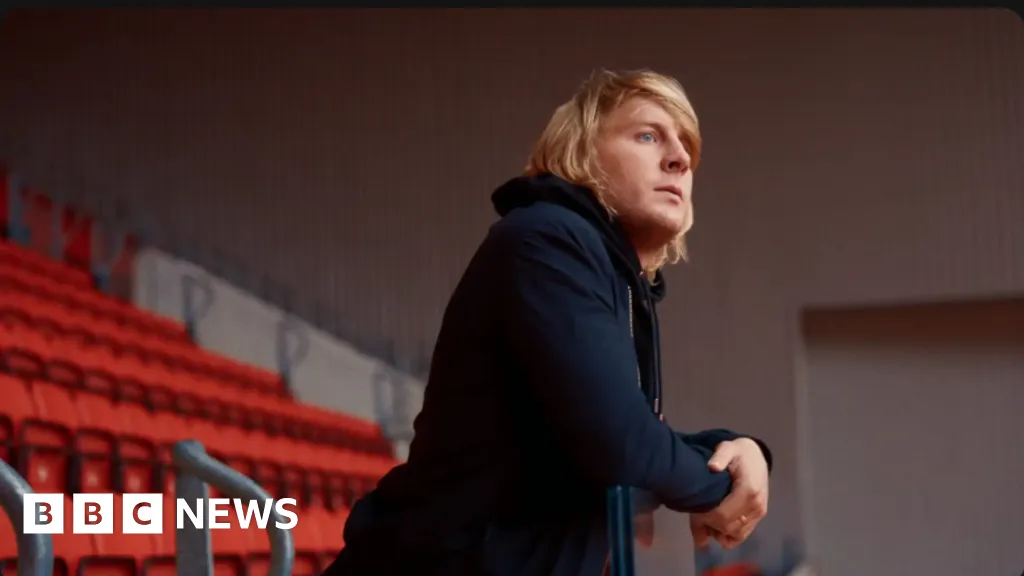
10 October 2026Stewart WhittinghamandRebecca Brahde, North WestLFCPaddy the Baddy has opened up on mental health in Liverpool FC's campaignUFC fighter Paddy Pimblett has joined Liverpool FC's mental health campaign. In a video released by the club, Paddy "the Baddy" from Huyton, Liverpool, spoke of a close friend taking his own life and said it was "shocking" that it happens every 90 minutes in the UK. The 31-year-old has urged men to speak out on World Mental Health Day, as he said he had had his own mental health struggles. The lifelong Liverpool fan said: "I thought about suicide a couple of times" but added "I'm glad I'm here".'Club saved my life'The fighter said: "I was like, I'm meant to be the hardest one in the room... I can't go speak to anyone about this. "To man up, bottle it up and not say anything is just sewn into our being. "He added: "There are a lot of lads I know over the past 10 years who've taken their own lives and it's crazy when you think about it because Scousers are the most happy-go-lucky people in the world. "Every 90 minutes someone takes their own life, that's just absolutely shocking. "My whole family supports Liverpool.
BBC·

Health
What Really Happens When You Eat the Same Breakfast Every Day - Good Housekeeping
Picture the average weekday morning. The alarm goes off later than you'd like, someone needs a permission slip signed, and your coffee hasn't kicked in yet. In the middle of all that, you reach for the same breakfast you had yesterday…and the day before, and probably the day before that. Maybe it's overnight oats. Maybe it's a smoothie you could make with your eyes closed, or two eggs on the same slice of toast you always buy. At some point, a small doubt can creep in. Everyone talks about "eating the rainbow" and mixing things up, and here you are on a loop of oats and nuts. Is that quiet, comforting sameness secretly holding you back? Are you missing something your body needs? Or is your no-thinking-required breakfast actually smarter than it looks? Jump to:Why we default to the same breakfast over and over againWhat dietitians think about eating the same breakfast dailyWhere a repeat breakfast can fall shortHow to build a breakfast worth repeatingThe bottom lineWhy we default to the same breakfast over and over againBreakfast, more than any other meal, is the one that tends to fall into a fixed routine.
Good Housekeeping·

Health
Focus on reading's benefits for mental health in Guernsey - BBC
10 October 2026George ThorpeChannel IslandsBBCGuille-Alles Library has partnered with Guernsey Mind for World Mental Health Day Library bosses and a charity have been raising awareness of what benefits reading can have for good mental health. Guille-Alles Library and Guernsey Mind have formed a partnership to mark World Mental Health Day and encourage islanders to discover the "positive impact" reading can have. As part of the day, a collection of books have been displayed at the library featuring subjects recommended by Guernsey Mind to help people relax and learn. Anna Symons, communications officer at Guille Alles Library, said reading could be "so important" to improving mental health and had a lot of wellbeing benefits. The survey also found 64% of adults read regularly while 39% of children read every day or almost every day. Symons said the library and Guernsey Mind wanted to build-up reading levels. She added reading could also be "really good for things like community and combating loneliness".
BBC·

Health
A year after the ‘ceasefire’, Gaza’s healthcare is still collapsing - Al Jazeera
When the “ceasefire” was announced on October 10 last year, we knew how much needed repairing. For the first time in a long while, we thought we might have the breathing space to do it. We thought medicines and equipment could arrive more regularly. Hospitals and clinics could begin to be restored. Patients could leave Gaza for treatment. Emergency medical teams could come from overseas to support Gaza’s exhausted health workers. We could finally look beyond the next crisis and plan how to care for people over the coming months and years. None of that happened. Three years into the genocide, there is barely a moment to catch our breath. We’re being asked to do far more than Gaza’s devastated health system can sustain, while regular deliveries of medical supplies and equipment are still restricted and medical evacuations stalled. People are still arriving at our clinics with traumatic injuries because Israel’s bombardment continues. More than 1,470 people have been killed since the “ceasefire” started. Even reaching a health centre can now put patients at risk.
Al Jazeera·
Health
Flu, COVID-19 and RSV Vaccines: What Canadians Need to Know - Barrie 360
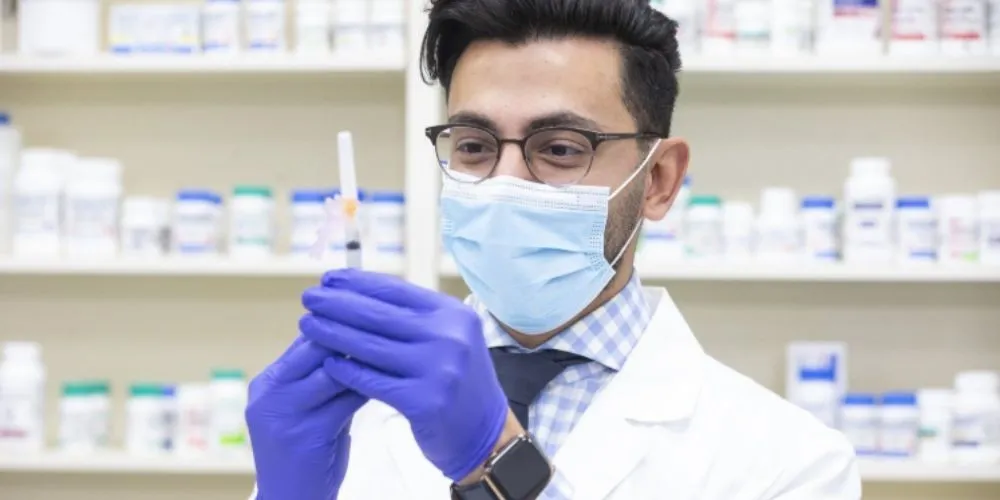
Respiratory virus specialists say Canadians should get their flu shot as soon as it becomes available in their area this fall. Most provinces will start providing the flu vaccine to the general public by the end of October and it will be free of charge.
Barrie 360·

Health
This Mental Health Day, ask your kids how they are. Young Europeans spend on average 4 to 6 hours a day on screens. Engaging with some of the most sophisticated technology ever created. For years, platforms have been playing fast and loose with our chil - X
Young Europeans spend on average 4 to 6 hours a day on screens. Engaging with some of the most sophisticated technology ever created.
X·
Health
The reality behind Britain’s growing youth mental health crisis - Channel 4 News | Substack
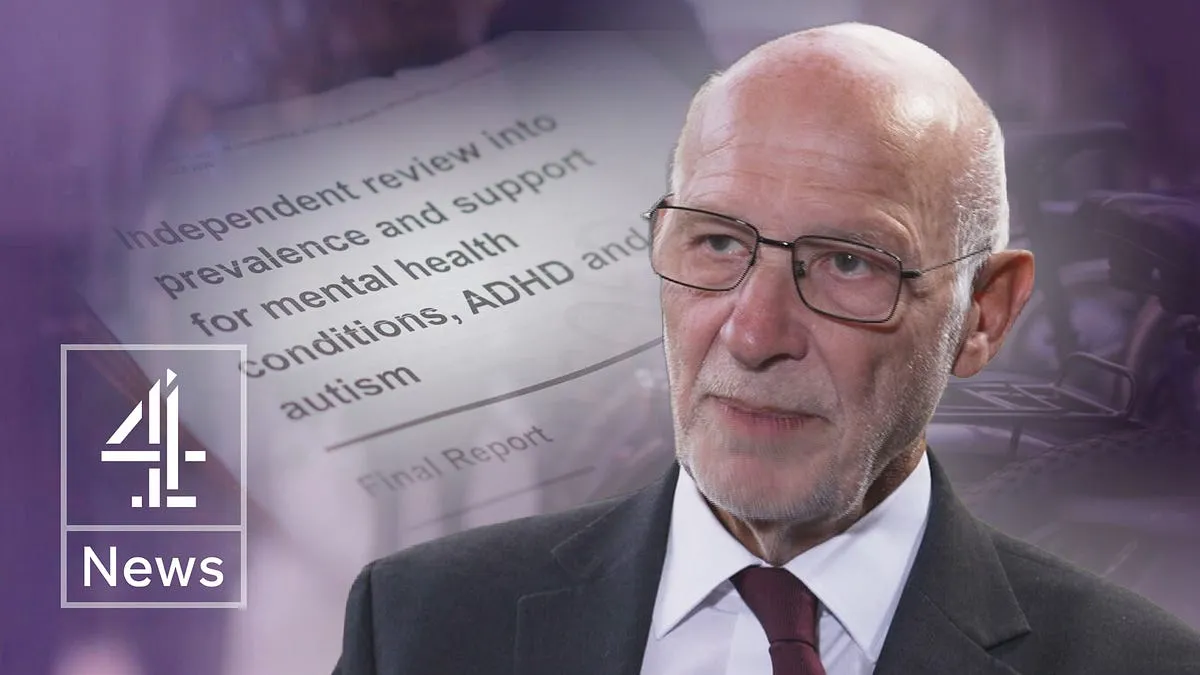
“You cannot have a million or a million-and-a-half people on a waiting list and think this is a functioning healthcare system.”That is the warning from Professor Peter Fonagy, pictured above, author of a wide-ranging report into the prevalence and support for mental health conditions in the UK. It makes for alarming reading. Among young people, he says, common mental disorders - things like depression or anxiety - have risen by 50% since 1993. Some 20% of young people are now in serious distress. By 2030, the report warns, the two million young people in England who have self-harmed will become 2.5 million. The report comes off the back of remarks last year by the then-Health Secretary Wes Streeting, pictured below. He told the BBC that there was an “overdiagnosis” of some mental health conditions meaning “too many people are being written off”. He later apologised for the remarks, his contribution to a culture war narrative of a ‘snowflake generation’. Today’s report is an attempt to answer those concerns. “That’s not true,” Fonagy told Channel 4 News.
Channel 4 News | Substack·