
Health
We’re partnering with Flo Health to elevate women’s health - blog.google
Google Health announces new partnership and deeper commitment to women’s health with Flo Health.
blog.google·
Categories
9120 articles
Google Health announces new partnership and deeper commitment to women’s health with Flo Health.

Our most advanced wellness tools, premium metal bands, and deeper app partnerships bring everything you need directly to your wrist.
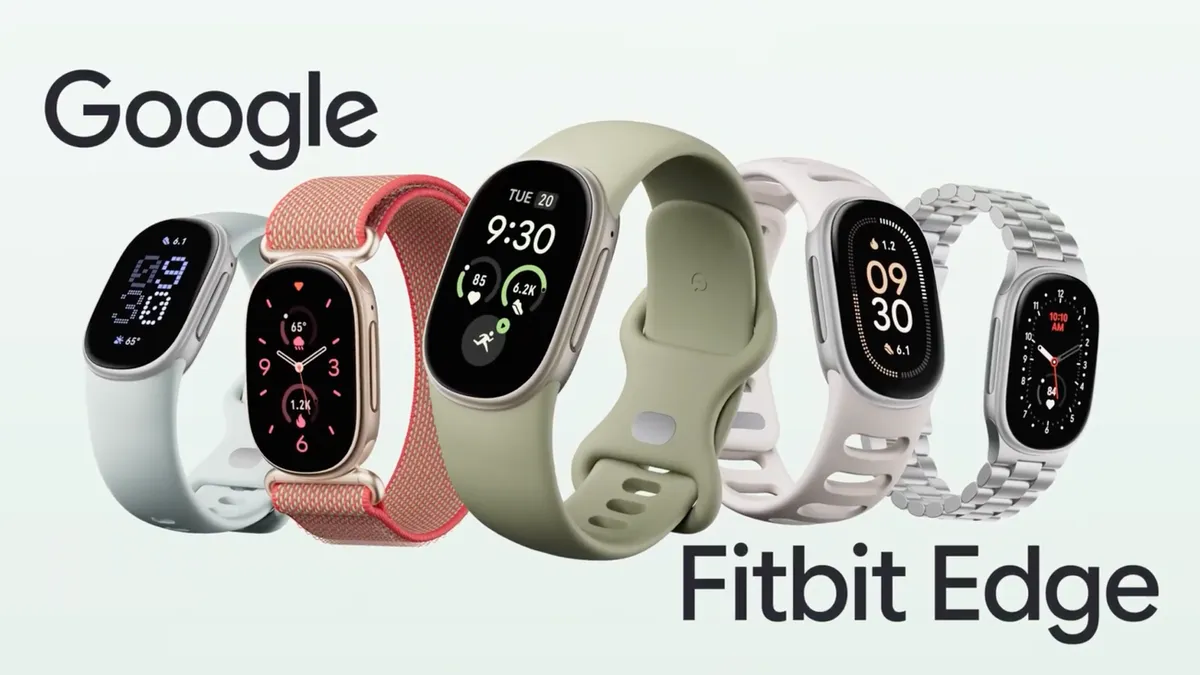
Pre-order our newest fitness tracker and get access to our most advanced health tools — plus, a week of battery life from a single charge.

The company also announced a new metal mesh band for the Fitbit Air. Google is rolling out a pair of updates to improve automatic activity tracking for its wearables and bring more health features to its latest Fitbits. The company announced today that Health Guardian, which it introduced over the summer for the Pixel Watch, is coming to the Fitbit Air for Google Health Premium subscribers later this month. The service will also be available for the new Fitbit Edge at that time under the Premium subscription. Also later this month, Google says it's rolling out an upgrade to automatic activity tracking for the Fitbit Air, Fitbit Edge and Pixel Watches 3, 4 and 5 that nearly doubles its accuracy and expands the list of recognized workouts from 10 to over 100.
The World Health Organization has been supporting Kenya's Ministry of Health to implement the Women's Integrated Cancer Screening (WICS) program. Across Africa, too many women are dying prematurely from breast and cervical cancers. In 2024 alone, 350,000 women across the continent died from these diseases, often because prevention, early detection, diagnosis and treatment came too late, or were inaccessible. Behind every statistic is a woman, a family and a community. A mother waiting too long for a diagnosis. A daughter unable to access preventive care. A family struggling to afford treatment. These stories are unique but the responsibility before us is shared. Our message to governments, policymakers and partners is clear: the time has come to accelerate action on women’s cancers and move them from the margins of health policy to the centre of Africa’s health, development and financing agendas. The African Union is leading the way by placing the health and wellbeing of Africa’s people at the heart of the continent’s development agenda.

With several cancers rising among adults under 50, Duke employees confront their unexpected diagnoses While preparing for IVF treatment in 2021, Cherrelle Blackwell’s fertility specialist felt lumps in her neck.
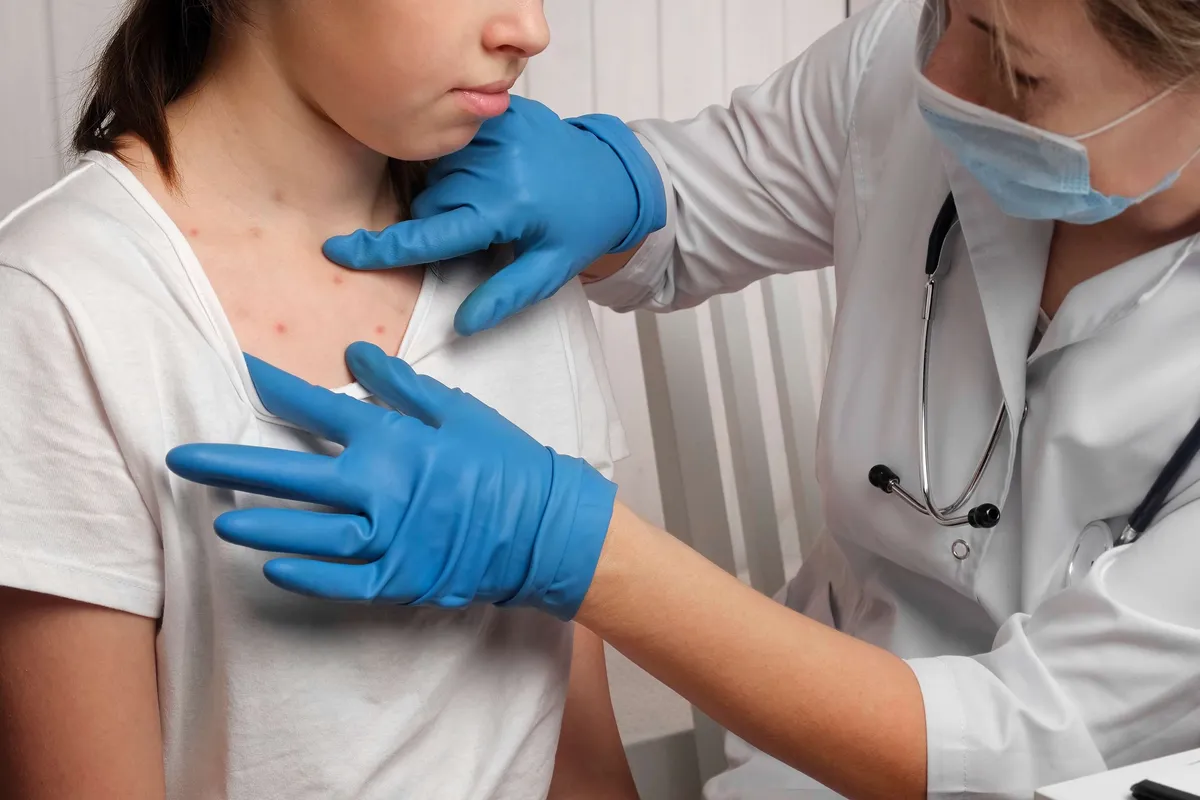
SarniaBy Stephanie ChavesOctober 12, 2026 - 6:30amWhile a measles outbreak continues to spread in the United States, local health officials say there has been no uptick in cases here. Recently, New York declared a statewide emergency over a measles outbreak. So far this year, New York has reported 108 cases of the virus. The Centers for Disease Control and Prevention said, as of October 1, there were 3,887 confirmed measles cases in the United States, and over 350 have required hospitalization. Lambton Public Health (LPH) Supervisor of Health Protection Carshenan Lai told Sarnia News Today, there's no word on outbreak concerns locally. "We haven't really received any information from the Ministry of Health that we're looking at a measles outbreak locally," said Lai. "We definitely monitor the situation and our measles vaccine rates are above the provincial average. So, to my knowledge, locally we're not looking at any risks that we've been communicated to by the ministry. "Lai noted residents should make sure they and their children have up-to-date vaccinations.
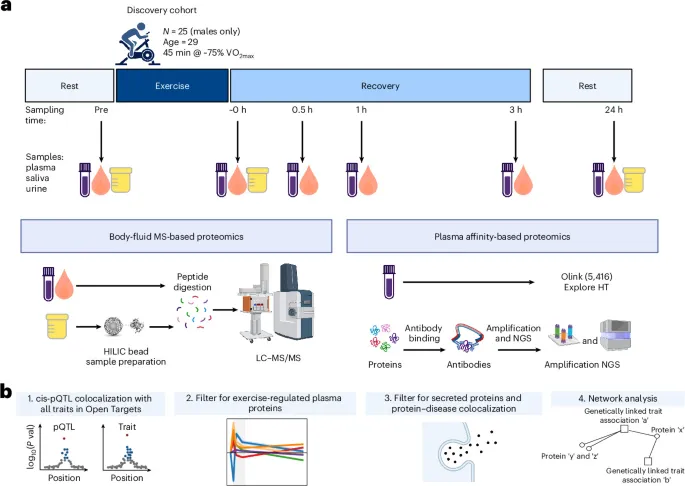
A single bout of exercise triggers thousands of coordinated protein changes across blood, saliva and urine. By integrating tissue atlases, human genetics and in vivo functional validation, we present a multi-fluid resource that serves as a starting point for prioritizing robust candidate exercise-regulated proteins that might mediate the cardiometabolic health benefits of long-term exercise. This is a preview of subscription content, access via your institution

With some 800 players surveyed, report is most extensive review of women’s football conditions in a decade Average club wage has tripled since 2017 but there is a wide gulf in pay and support from country to country
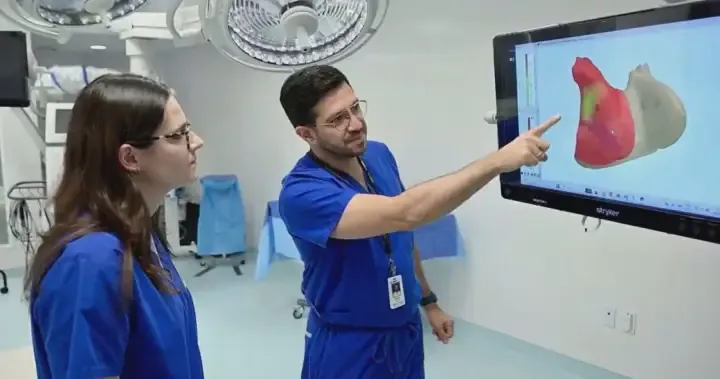
When Adina Isenberg was diagnosed with breast cancer nine years ago, it came as a shock. “You think, like, how is this real? This must be some sort of joke.”But when she woke up from her lumpectomy procedure, she was faced with a whole new host of feelings with how the surgery changed her body. “When I woke up from my surgery, I couldn’t believe that in addition to the scar that I had prepared for on my breast, I had a second scar in my armpit, which is for when they take out what they call the sentinel node,” she said. Researchers at the University Health Network in Toronto are now leveraging AI to help create a 3D picture of what tumours look like. Using this technology could better prepare patients for the procedures they are about to undergo. Story continues below advertisement

In recent decades, many countries have made meaningful progress in developing community-based mental health services. Moreover, rights-based approaches have gained traction as people with lived experience increasingly have a voice in shaping mental health policy and services. These developments have shown that people living with mental health conditions can flourish in their communities when given the right support. Yet, around the world, very large numbers of people with mental health conditions live behind closed doors in psychiatric hospitals and social care institutions. Some have been there for months; others for decades. According to the World Health Organization’s Mental Health Atlas, about half were brought in against their will, stripped of basic daily choices like what to wear or when to eat, and cut off from the outside world. We think of institutional mental health care as an outdated model. But it is far more than that. It is a human rights issue hiding in plain sight. Many countries still rely heavily on standalone psychiatric institutions.
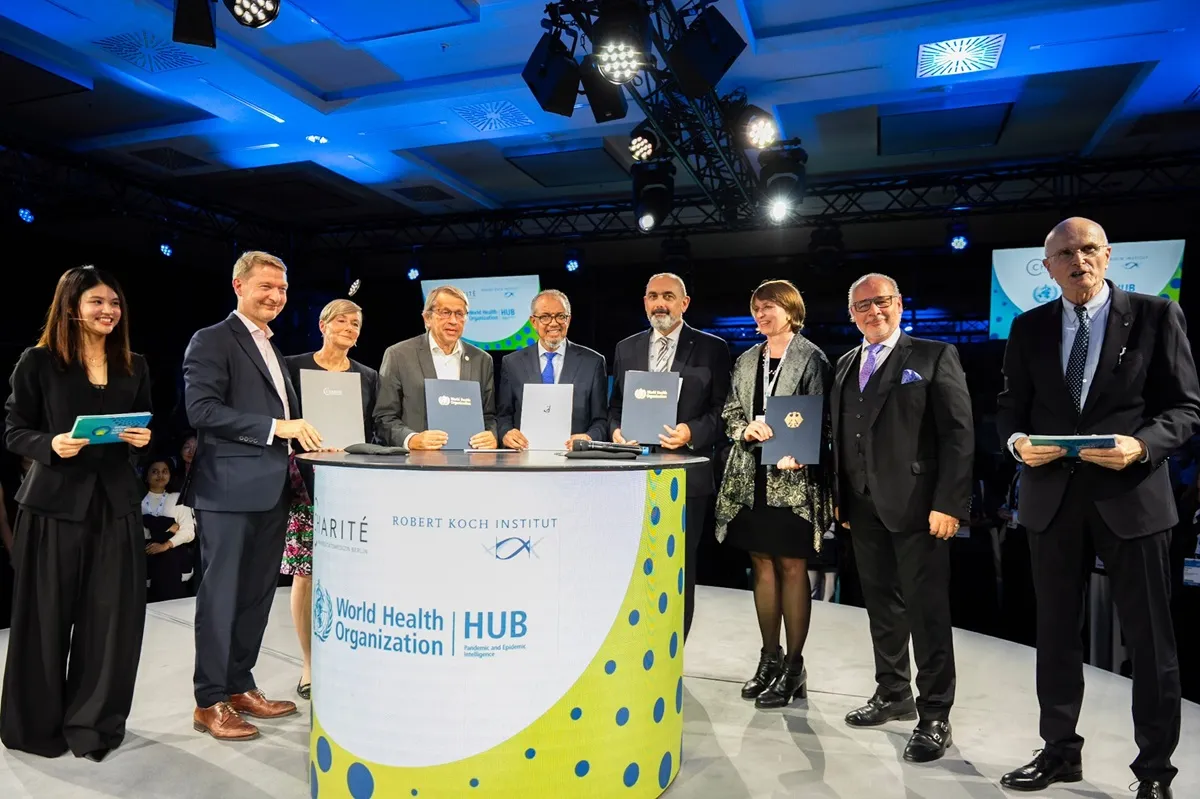
The World Health Organization (WHO) launched a new five-year strategy for its Hub for Pandemic and Epidemic Intelligence, charting a path towards a world where every country can detect and understand emerging health threats within 24 hours of their appearance by 2030. Strengthening rapid detection is a cornerstone of global health security, helping countries contain outbreaks before they escalate into larger epidemics or spread internationally. The Hub’s strategy aims to equip every country with the capabilities needed to rapidly identify and understand emerging health threats, thus supporting them in developing the systems, capacities and partnerships necessary to prevent outbreaks from escalating into epidemics or pandemics. Speaking at the opening of the World Health Summit in Berlin, in the presence of Germany’s Parliamentary State Secretary at the Federal Ministry of Health, Georg Kippels, WHO Director-General Dr Tedros Adhanom Ghebreyesus reflected on the Hub’s achievements in the five years since its creation. "Five years after its establishment, the WHO Hub for Pandemic and Epidemic Intelligence has become an integral part of the global health security system," he said.
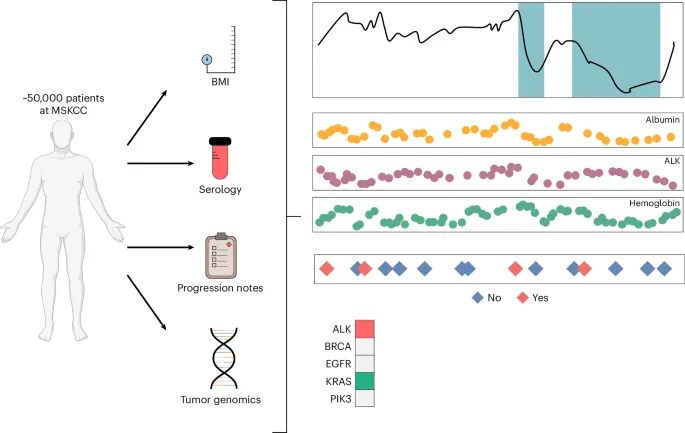
MainThe uncontrolled cellular growth and local tissue disruption produced by tumorigenesis elicit a complex host response, including chronic inflammation, metabolic reprogramming and endocrine dysfunction1,2. These systemic changes can emerge early and persist throughout the disease course, contributing to profound alterations in appetite, energy balance, tissue composition and immune function3,4. Together, they underlie debilitating syndromes such as fatigue, anorexia and cachexia. Understanding these pathophysiologies in human patients with cancer requires integrated, longitudinal measurements of host physiology and tumor biology. Cancer cachexia (herein, ‘cachexia’) is a paraneoplastic metabolic syndrome characterized by progressive, unintentional weight loss3,5,6 accompanied by muscle wasting7 that affects approximately half of all patients with cancer3,8. Cachexia is associated with reduced quality of life9,10, premature termination of therapy, increased treatment complications and elevated risk of death11,12,13. Despite its prevalence and well-acknowledged consequences for morbidity and mortality, the underlying causes of cachexia are poorly understood.