What happens when a hurricane collides with Hawaii’s massive volcanoes?
This story deserves to be shared
Send it to someone who'd care, or post it on your networks.
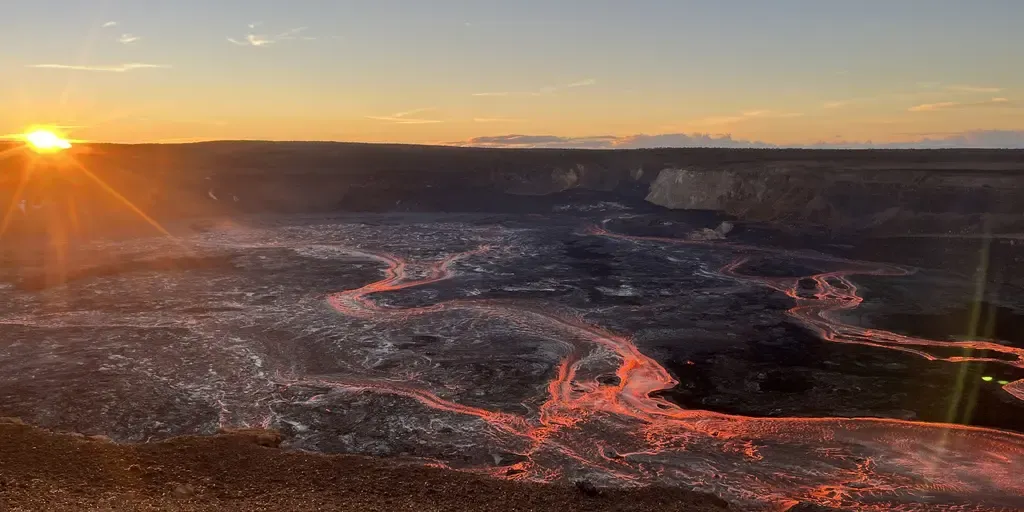
HAWAII – As any hurricane barrels toward Hawaii, it poses a threat to Mount Kilauea and the rest of the islands. With a second tropical storm expected to impact Hawaii in the span of a week, there is a lingering threat to Mount Kilauea, which has erupted 53rd times in less than two years. The 54th eruptive episode is imminent, and is expected to happen any time between now and Aug. 27, according to the USGS. HAWAII'S KILAUEA ERUPTS FOR 53RD TIME IN LESS THAN 2 YEARS, SENDS SMOKE PLUME SOARING 18,000 FEET INTO THE SKYDuring the latest eruption, lava fountains peaked at 500 feet, and the ash plume reached over 18,000 feet above sea level. Kilauea's 53rd eruptive episode on Aug. 12, 2026. (USGS / FOX Weather)If an eruption were to occur during a hurricane, it could lead to catastrophic events such as deadly flooding from rain and strong winds. When volcanic ash mixes with enough water, it can erode, be transported and eventually move downslope. UNDERSTANDING THE PACIFIC RING OF FIRE: WHERE EARTHQUAKES AND VOLCANOES MEETAccording to the United States Geological Survey, when this occurs, it can look like a mass of wet concrete flowing down violently.
This article is an excerpt. To read the full content, visit the original source. Fox Weather
Related articles
‘The Sun was dark and its darkness lasted for 18 months’ – what we can learn from worst volcanic eruptions in history
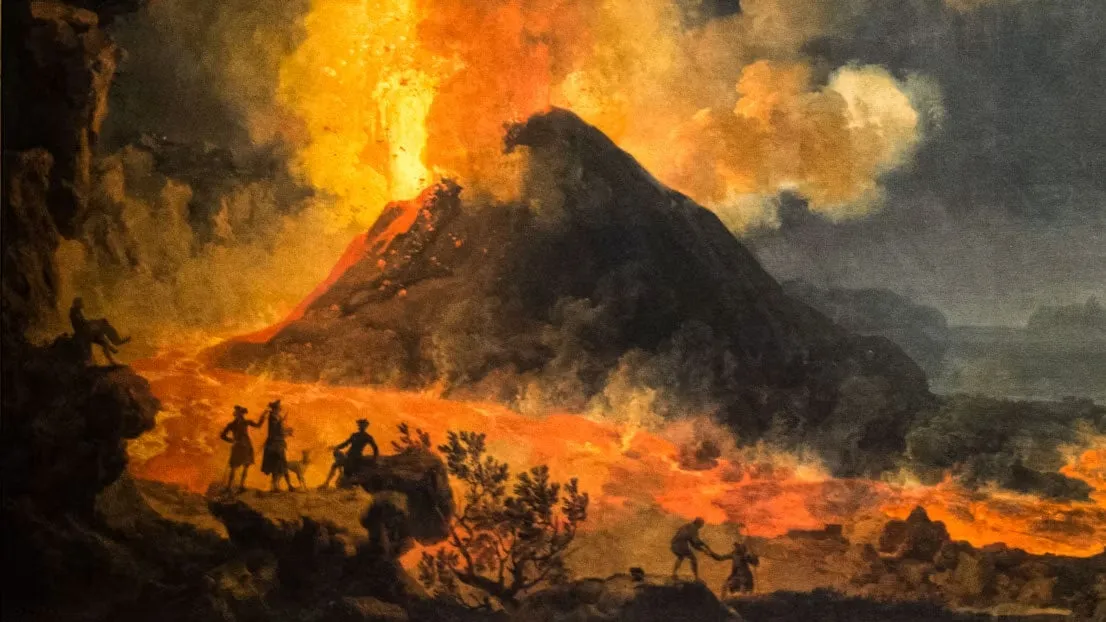
The worst volcanic eruptions in history: when the sun went darkEurope was plunged into darkness and suffered from intense crop failures and famines in the years A. D. 536 and A. D. 1258, after massive volcanic eruptions. When many people think of volcanic eruptions, they envisage deadly lava flows and suffocating ash fall. The fate of the inhabitants of Pompeii after the eruption of Mount Vesuvius in the year A. D. 79 still resonates today. Yet, volcanic eruptions have more wide-ranging consequences than is often realised, and this is recorded in historical accounts. Large volcanic eruptions emit gases and ash particles into the atmosphere. Although the ash itself settles within weeks, the aerosols spread around the planet and can remain suspended in the atmosphere for years. Ice cores – long cylindrical samples drilled from glaciers – reveal these past sediment layers over hundreds of thousands of years. What we can see from studying historic records is that volcanic eruptions can produce climatic changes, and rapid spread of disease such as plague. They can also affect weather systems far beyond the immediate vicinity of the volcano itself.
Alert issued as plume of volcanic ash reaches West Coast - The Weather Network
Active Kīlauea forces 'immediate' trail closures at Hawai'i Volcanoes National Park
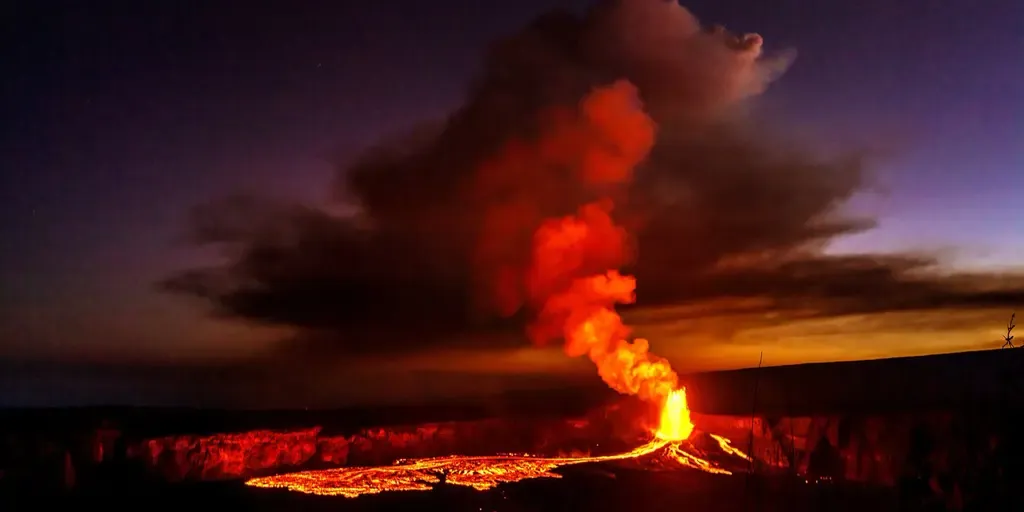
HAWAI'I VOLCANOES NATIONAL PARK, Hawaii – Officials in Hawaii have closed hiking trails due to the Aloha State's active volcano. The National Park Service (NPS) announced on Wednesday that Halema'uma'u Trail and parts of Byron Ledge Trail are temporarily closed due to increased seismic activity at the summit of the Big Island's Kīlauea volcano. "The trail closure is a total of 1.3 miles," NPS said. "Viewing areas on the Keanakākoʻi side of the caldera closed for safety last week. "Safety closures in place: Halemaʻumaʻu Trail and part of Byron Ledge Trail are temporarily closed due to continued inflation and increased seismicity at the summit of Kīlauea volcano. The trail closure is a total of 1.3 miles. Viewing areas on the Keanakākoʻi side of the caldera closed for safety last week.
Orionid meteor shower 2026: cloud cover forecast by region
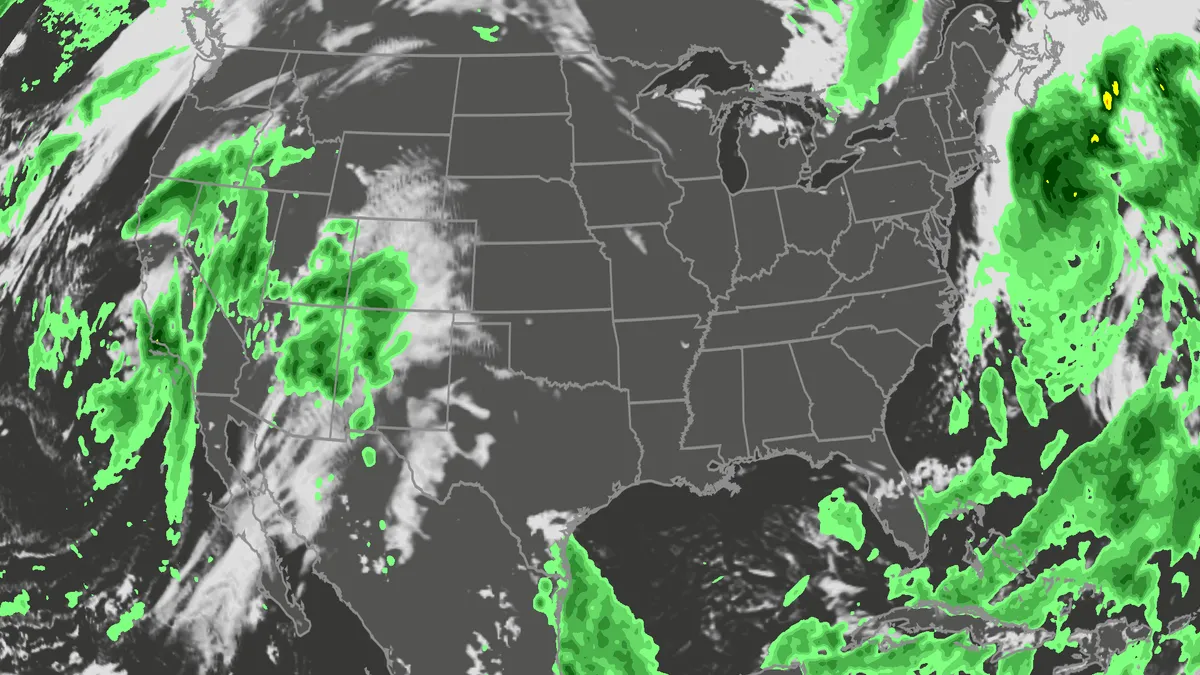
A meteor streaks across the sky over a desert in China during the Orionid meteor shower on Oct. 22, 2023.(VCG/VCG via Getty Images)The Orionid meteor shower is peaking this week, and it promises to be one of the most dazzling displays of the year. And while some of you will have clear skies, rain and clouds could impact the view for others. Here's what you need to know about the Orionids and your forecast:Fast factsPeak day: The meteor shower peaks Wednesday night, Oct. 21, into the early hours of Thursday morning, Oct. 22. Peak time: From midnight to dawn are the best hours to catch the meteors streaking through the sky, so plan on a late night or really early morning. What the Orionids are known for: The Orionid meteors are known for their brightness and their speed. As they streak across the sky at around 41 miles per second, the meteors leave behind a glowing "train" that can last several seconds to minutes. While you can make the perfect plan to catch the Orionids, the key to stellar viewing is still in Mother Nature's hands. The good news is that many of you should have good meteor shower-watching conditions. Much of the central and eastern U. S.
0 comments
No comments yet. Be the first to share your thoughts!