What are ticks and how can you avoid being bitten? - GOV.UK blogs
This story deserves to be shared
Send it to someone who'd care, or post it on your networks.
This article is an excerpt. To read the full content, visit the original source. GOV.UK blogs
Related articles
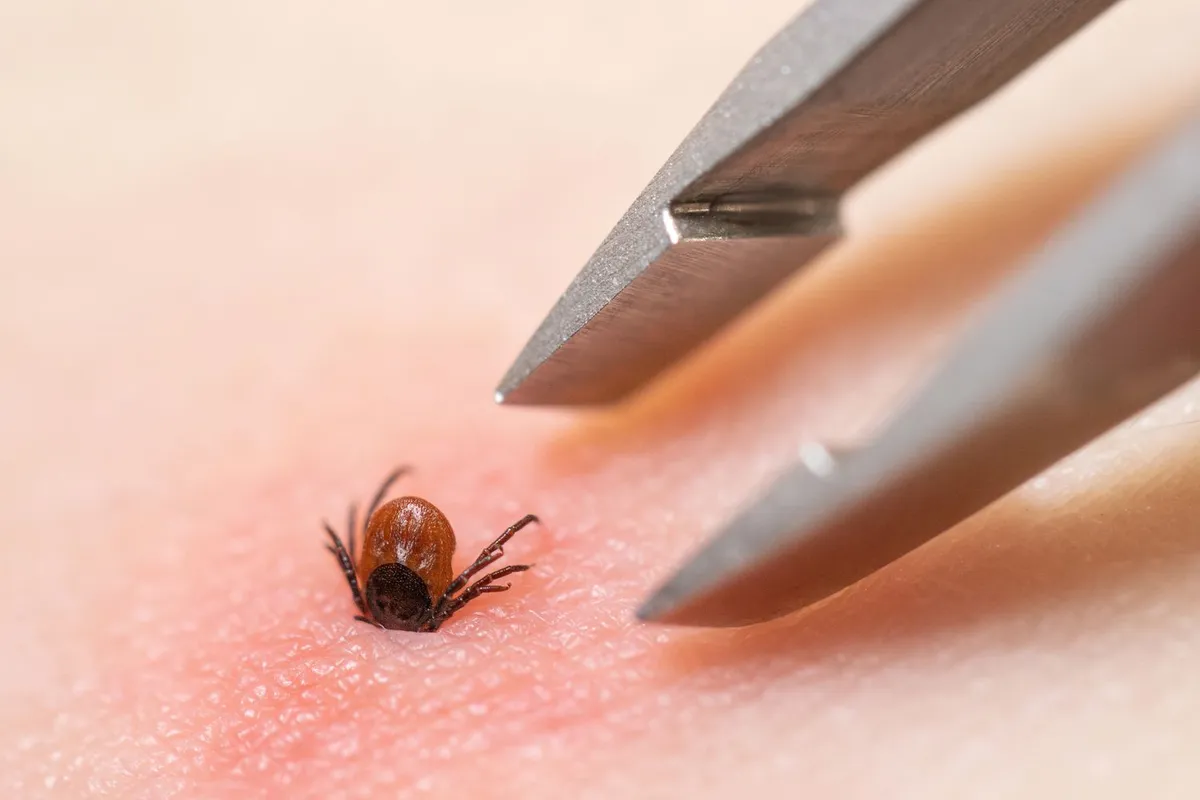
Ticks don’t quit in the fall: what to check after a brisk walk outside - haligonia.ca
The first frost doesn’t mean you can stop checking for ticks. In Nova Scotia, adult blacklegged ticks, the kind that can carry Lyme disease, are most active in the spring and fall, and the province says they stay active until temperatures are consistently below 4°C. That keeps leaf raking, trail walks and dog walks squarely in tick season this month. Ticks don’t need summer heat, either. The Public Health Agency of Canada says they can be active whenever the temperature is consistently above freezing and the ground isn’t covered by snow, and at any time of year when conditions are right.
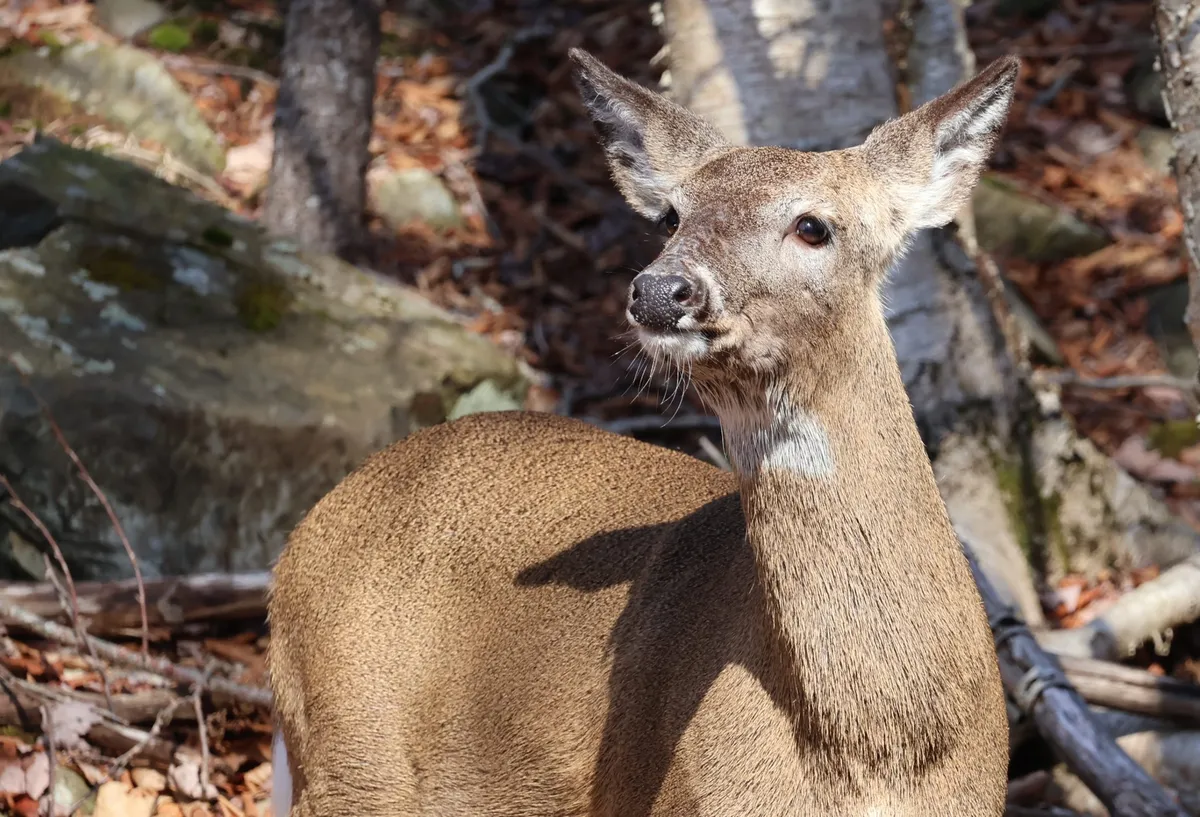
Cull the deer, crush the ticks - Halifax Examiner
Nova Scotia has a deer problem—and a tick problem that rides on its back. Blacklegged ticks, the vector for Lyme disease, have made this province the hardest hit in Canada. Many of us know someone — a neighbour, a coworker, a child — whose life has been upended by this disease.

Gut Microbiome and Aging: How Gut Bacteria Influence Health and Longevity - News-Medical
IntroductionHow does the gut microbiome change as we age? The link between gut microbiome changes and inflammationGut microbiome and age-related health conditionsCan the gut microbiome be targeted to promote longevity? From microbial shifts in later life to the distinctive gut communities of centenarians, researchers are investigating what the intestinal microbes reveal about how people age.
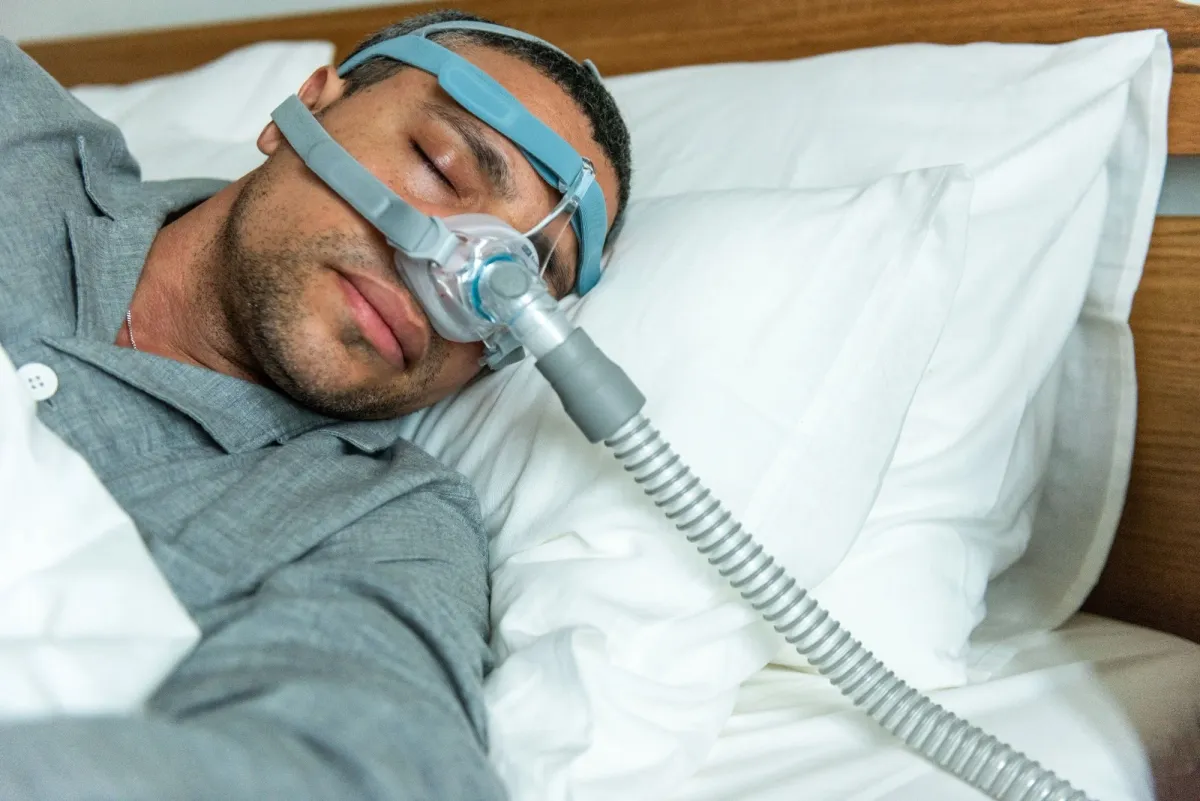
GLP-1 Drugs and Obstructive Sleep Apnea: How Weight Loss Medications Improve Breathing During Sleep - News-Medical
IntroductionClinical trial evidenceFDA approval and regulatory developmentsCardiometabolic and secondary benefitsFuture directionsReferences What can treatments targeting weight and metabolism offer people with obstructive sleep apnea, and which questions must clinical trials still answer?
0 comments
No comments yet. Be the first to share your thoughts!