What are the signs that nature is telling us?' Scientists are triggering earthquakes in the Alps to find out what happens before one hits - Live Science
This story deserves to be shared
Send it to someone who'd care, or post it on your networks.
This article is an excerpt. To read the full content, visit the original source. Live Science
Related articles
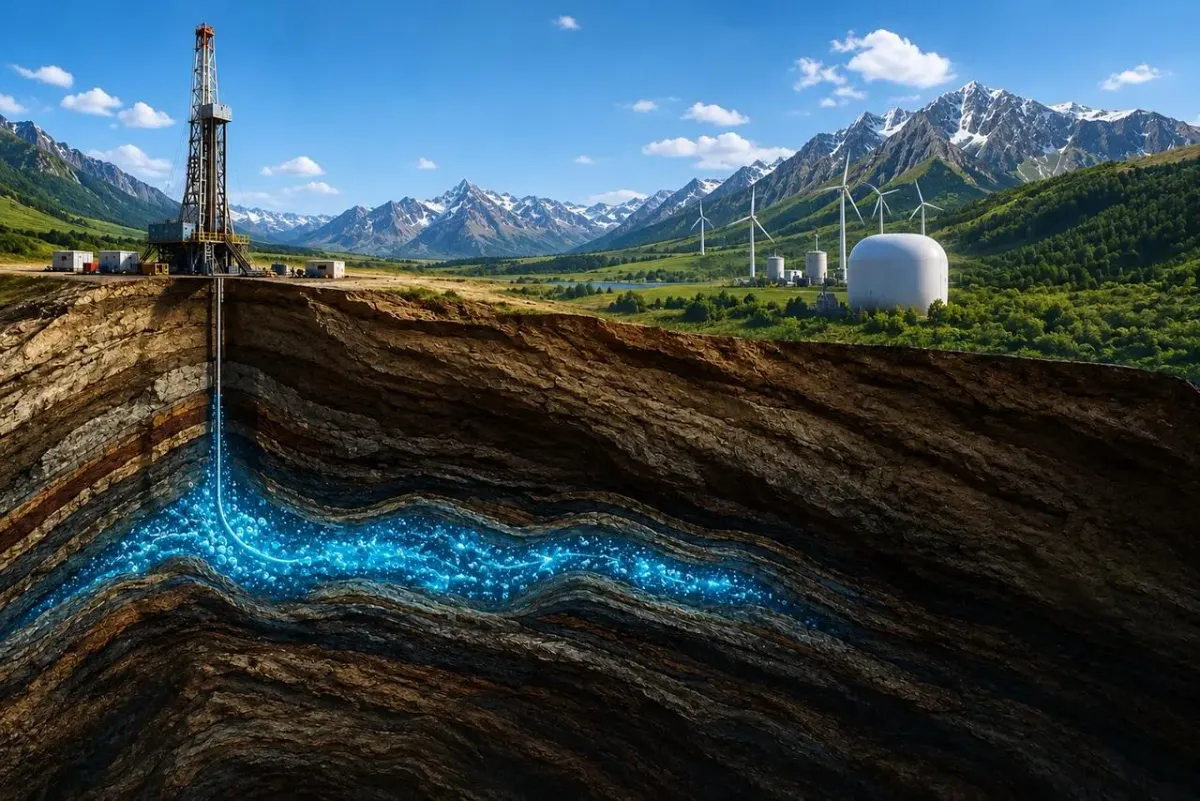
A hidden energy “treasure” under the Alps and Pyrenees? Scientists stunned - Futura, le média qui explore le monde
Could hydrogen be the hidden energy of tomorrow? Recent breakthroughs are strengthening the case for this natural gas—also known as “white hydrogen”—as a key energy player in a decarbonized future. In France’s Lorraine region, for example, deep drilling has uncovered significant concentrations of natural hydrogen, suggesting one of Europe’s largest potential reservoirs. Exploration is now underway to assess whether this really is the windfall it seems. And Lorraine isn’t an outlier. In Canada, scientists have detected natural hydrogen flowing from deep underground, sparking interest in further research into North America’s sedimentary basins. Meanwhile, in Africa, natural hydrogen is already being tapped at Bourakébougou, Mali, to generate electricity—a first globally. Other promising locations have been marked in Morocco, Namibia, and South Africa, where exploration programs are now taking shape.
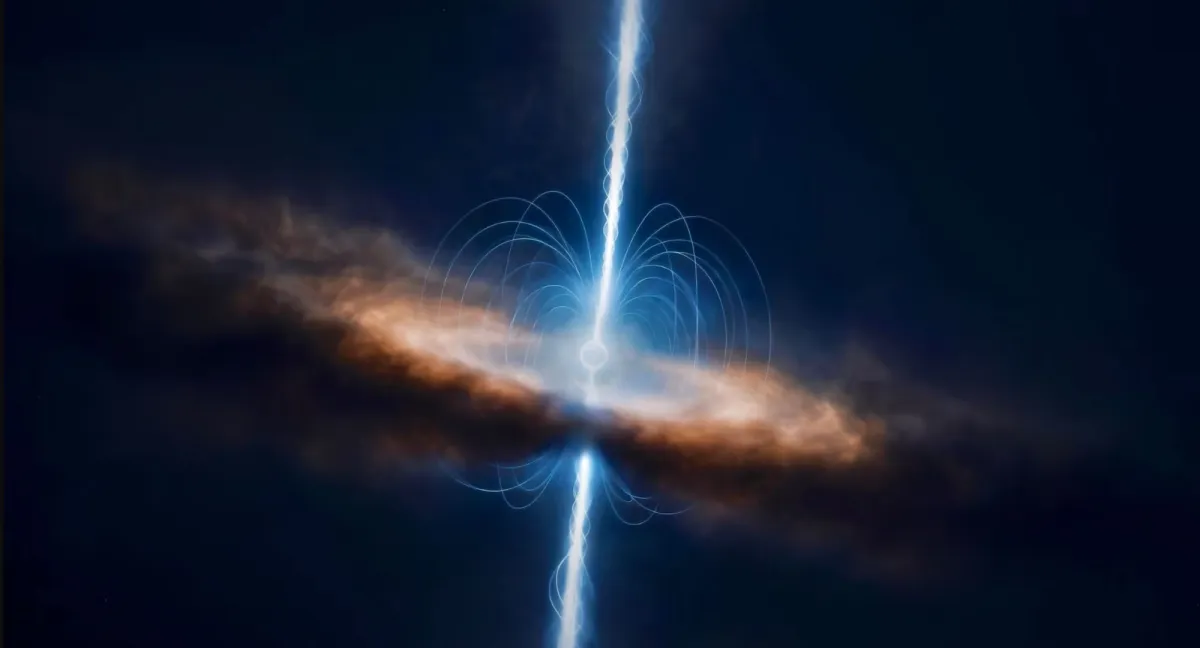
Astronomers discover rare evidence of Einstein’s relativity playing out in a cosmic explosion - The Brighter Side of News
Accelerating brightness pulses in SN 2024afav support a model involving a newborn magnetar and a wobbling disk. The proposed explanation uses relativistic frame-dragging to connect the changing pulse timing with the hidden central engine. Companion spectroscopy also indicates interaction with surrounding gas, which could contribute to the explosion’s light. The fading light of SN 2024afav carried an unexpected rhythm. After the stellar explosion reached its brightest phase, its glow rose and fell through a sequence of bumps. The intervals between them grew shorter, creating an optical pattern astronomers describe as a chirp. That accelerating rhythm points to a rapidly spinning magnetar concealed inside the expanding debris. A study published in Nature interprets the pattern as evidence that a tilted disk around the newborn neutron star was wobbling under the influence of general relativity. The research, led by Joseph Farah while at UC Santa Barbara and Las Cumbres Observatory, offers a way to investigate an otherwise hidden power source.
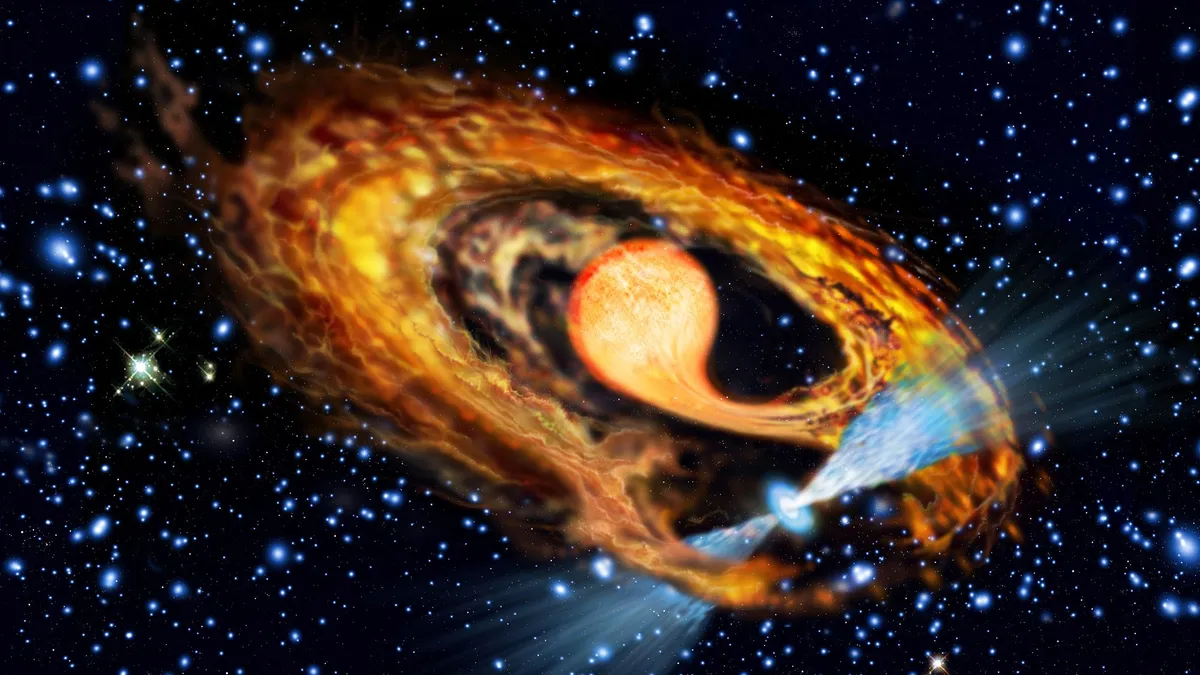
'We could not beat this description of gravity': Lightest known pair of neutron stars proves Einstein right yet again - Live Science
Einstein's theory of relativity just got put to the test by the lightest binary neutron star system ever discovered.
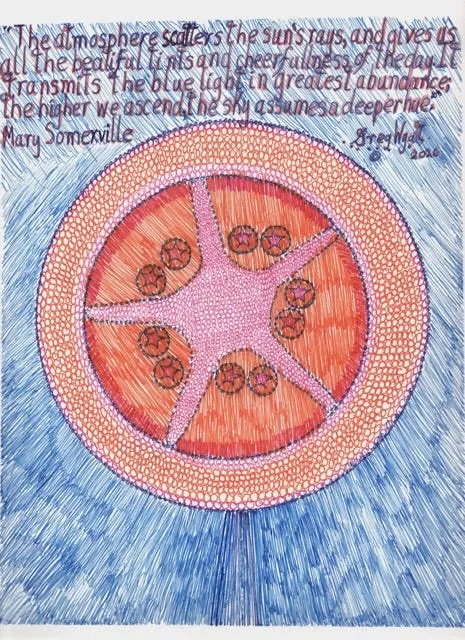
The Pomegranates That Seeded Life in the Universe - Medium
6 min read1 hour ago--(Image credit: Greg Wyatt)A supernova remnant looks like a pomegranate, carrying the seeds of life in the form of Carbon, Hydrogen, Nitrogen, Oxygen, Nitrogen, Phosphorus and Sulfur (abbreviated as CHNOPS) inside. These elements make up roughly 98% of the mass of most living organisms and serve as the fundamental building blocks for all primary biomolecules: carbohydrates, lipids, proteins, and nucleic acids (DNA). Carbon [C] is the backbone of life. Its unique ability to form four stable covalent bonds allows it to build complex, chain-like, and ring-shaped molecules. Hydrogen (H) is the most abundant element in the universe. It pairs with oxygen to form water (H2O) and creates hydrogen bonds, which give DNA its double-helix structure and stabilize protein shapes. Nitrogen (N) is a critical component of amino acids (the building blocks of proteins) and nitrogenous bases (the core elements of DNA and RNA). Oxygen (O) is an essential building block in water and organic molecules. It is a crucial constituent in cellular respiration, the process by which many organisms generate energy.
0 comments
No comments yet. Be the first to share your thoughts!