Tsunami detectives at work: Marine geologists discuss the science behind the destructive waves - Phys.org
This story deserves to be shared
Send it to someone who'd care, or post it on your networks.
This article is an excerpt. To read the full content, visit the original source. Phys.org
Related articles
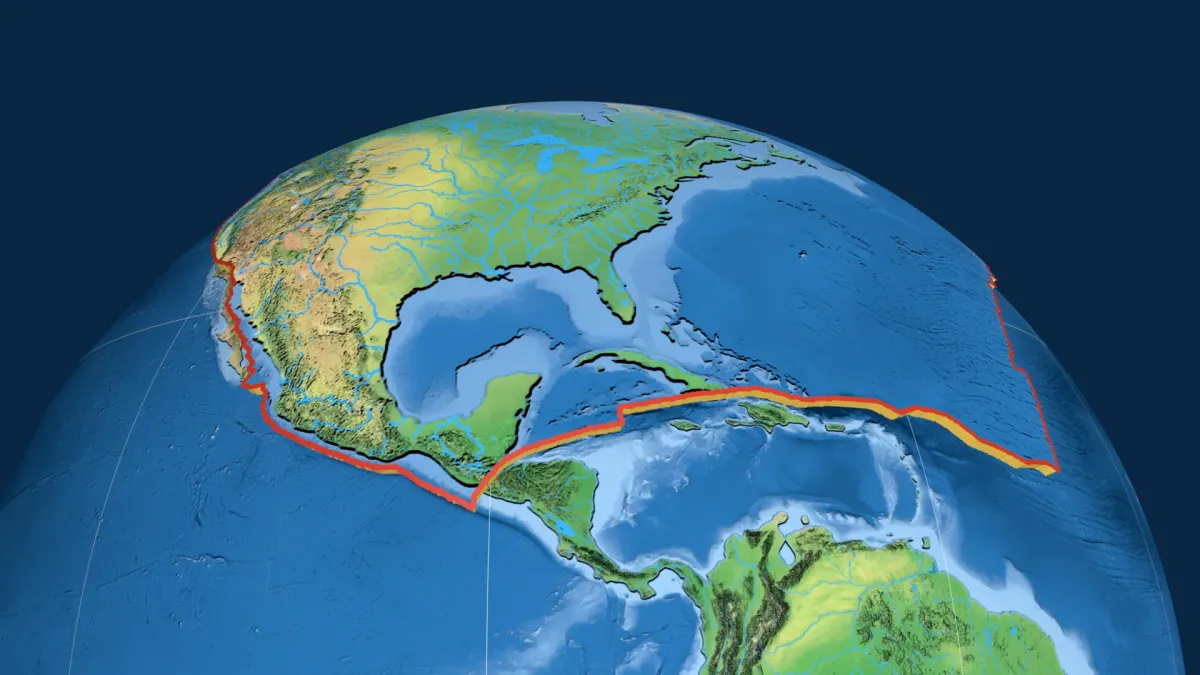
Geologists reveal the Americas collided millions of years earlier than thought - Science Daily
A new study in Earth and Planetary Physics is changing scientists' understanding of when Central America and South America underwent one of the major tectonic collisions that helped shape the Americas. By examining the magnetic characteristics of volcanic rocks in Colombia's Northern Andes, researchers found evidence that the main phases of collision took place earlier than previously believed, before about 10 million years ago. The research was led by Victor Piedrahita (first author) and J. Li (corresponding author), along with an international group of geoscientists. Their work centered on late Miocene volcanic rocks (approximately 12-6 million years old) from the Combia Volcanic Province in central Colombia. These rocks formed during a key period when the South American Plate was interacting with the continental portion of Central America.
Antarctica’s “Doomsday Glacier” Could Raise Sea Levels Twice As Much as Scientists Feared - SciTechDaily
Even without further warming, Thwaites Glacier could contribute twice as much to sea level rise by 2100 as previously estimated, according to a revised ice sheet model. Thwaites Glacier in West Antarctica has been retreating and thinning rapidly, while satellites show substantial acceleration in its ice flow. Traditional ice sheet models have depicted slower movement, [...]
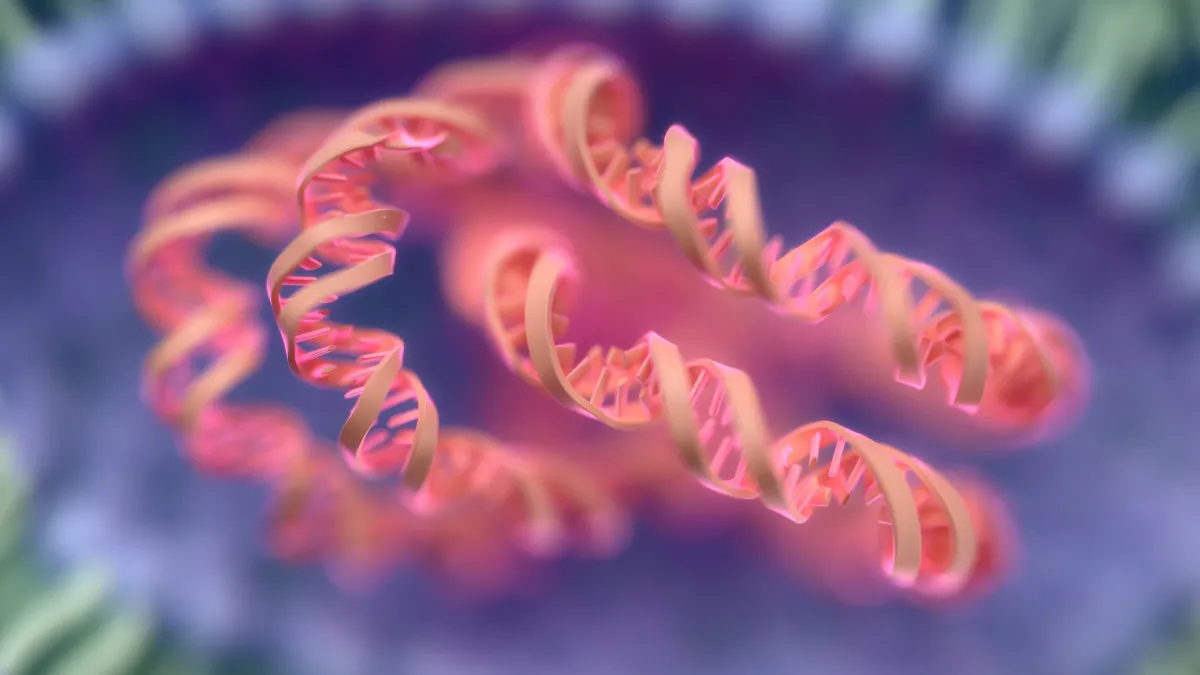
Too Much RNA Can Actually Starve Cells of Energy, Study Finds - ScienceAlert
A visualization of an mRNA strand. (koto_feja/iStockphoto/Getty Images) RNA, or ribonucleic acid, is one of the most important molecules in keeping the body functioning correctly. One of its main jobs is to turn the information stored in our genetics into actual proteins that build and operate cells, for example. To stay healthy, cells keep RNA production and deletion in a careful balance, but there are ways this balance can be tipped over. Invading viruses tend to produce more RNA, and aging, certain cancers, and neurodegenerative diseases can also cause disruption. In a study published in PNAS, researchers outline a newly discovered way that too much RNA can cause harm: It can interfere with tiny power plants called mitochondria inside cells, limiting their energy production capacities. According to the team behind the study, led by researchers from Texas A&M University, this gives us an important new perspective on age-related diseases, viral infections, and therapies that target or utilize RNA.
0 comments
No comments yet. Be the first to share your thoughts!