The Colorado River's largest tributary flows 'uphill' for over 100 miles — and geologists may finally have an explanation for it - Live Science
This story deserves to be shared
Send it to someone who'd care, or post it on your networks.
This article is an excerpt. To read the full content, visit the original source. Live Science
Related articles
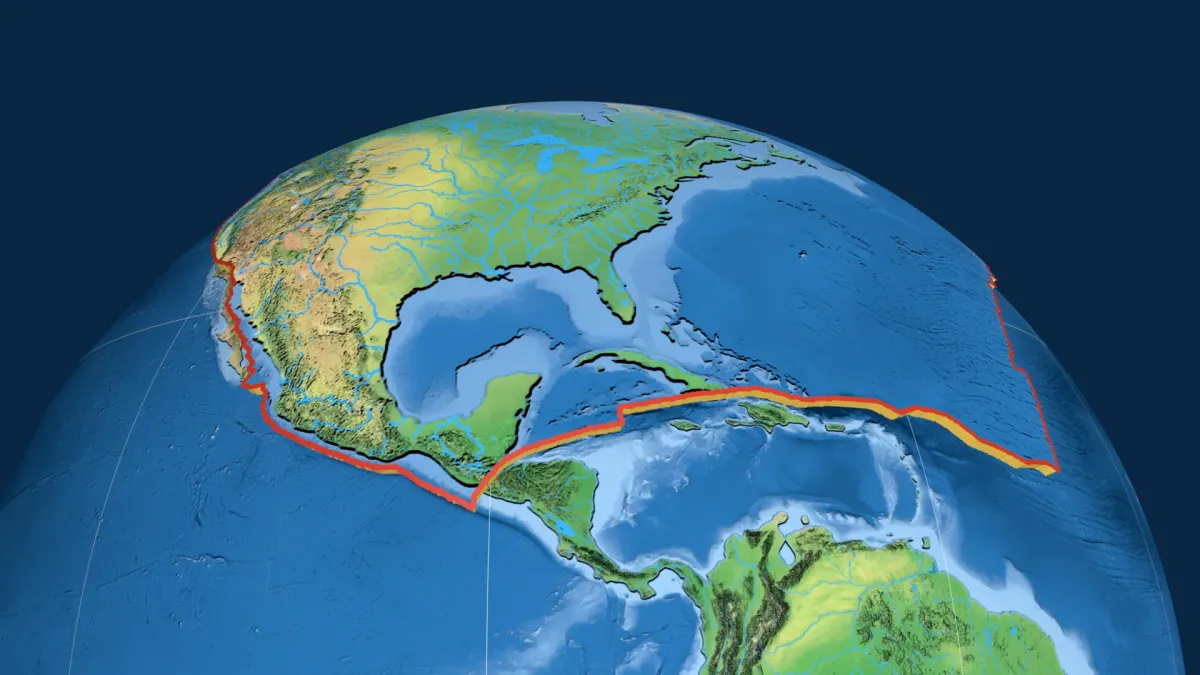
Geologists reveal the Americas collided millions of years earlier than thought - Science Daily
A new study in Earth and Planetary Physics is changing scientists' understanding of when Central America and South America underwent one of the major tectonic collisions that helped shape the Americas. By examining the magnetic characteristics of volcanic rocks in Colombia's Northern Andes, researchers found evidence that the main phases of collision took place earlier than previously believed, before about 10 million years ago. The research was led by Victor Piedrahita (first author) and J. Li (corresponding author), along with an international group of geoscientists. Their work centered on late Miocene volcanic rocks (approximately 12-6 million years old) from the Combia Volcanic Province in central Colombia. These rocks formed during a key period when the South American Plate was interacting with the continental portion of Central America.
0 comments
No comments yet. Be the first to share your thoughts!