The assumption about farm automation that may be wrong - EurekAlert!
This story deserves to be shared
Send it to someone who'd care, or post it on your networks.
This article is an excerpt. To read the full content, visit the original source. EurekAlert!
Related articles
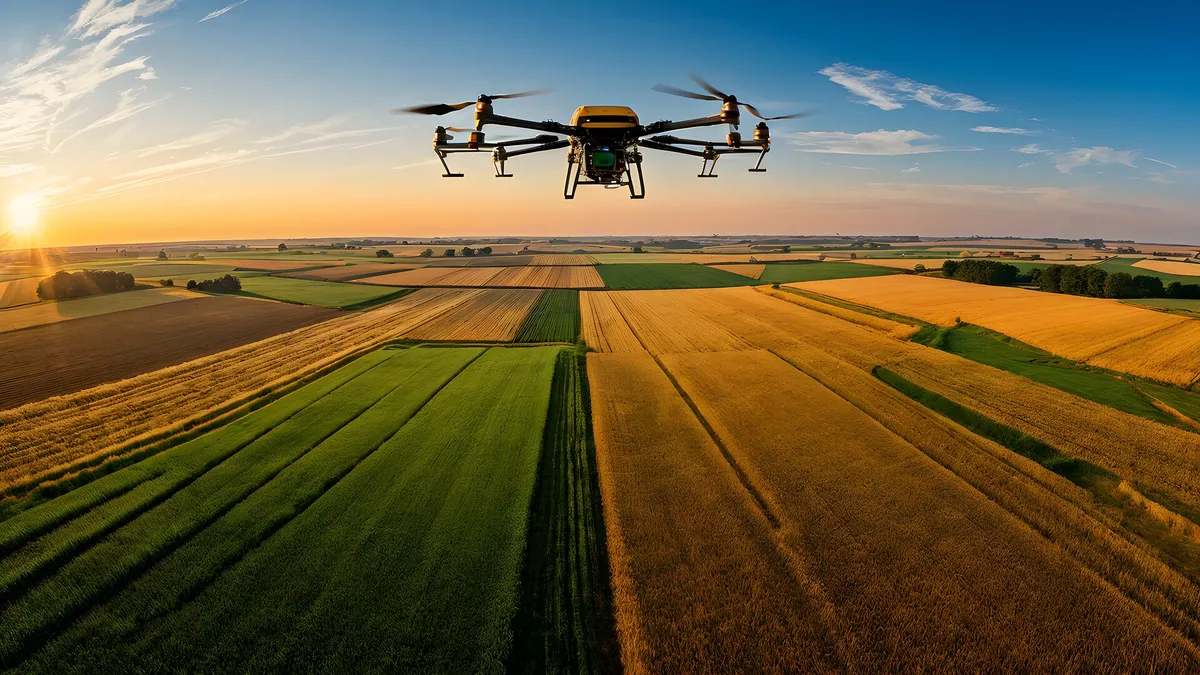
The assumption about farm automation that may be wrong - Phys.org
You've likely heard this assumption: When AI-enabled and autonomous machines arrive on the farm, jobs will disappear. But researchers at the University of California, Davis, who studied 16 fruit tree operations in California and Washington for three years, found that automation still takes human knowledge. What changes is how the work gets done. The study, drawing on 165 in-depth interviews with workers and growers, was published in the journal New Technology, Work and Employment. The study examined what researchers call the "last mile" of agricultural automation: what happens after robotic and AI-enabled tools arrive on the farm and have to work in real conditions that can change by the hour.
Scientists just overturned a century-old physics assumption - Science Daily
Carnegie Mellon University researchers have identified an unusual magnetic response that overturns a long-standing assumption about the Hall effect, a foundational principle used to study how materials behave electrically and magnetically. The findings, published in Nature Materials, expand scientists' understanding of the Hall effect and could eventually support simpler and more flexible magnetic sensors for electronics, transportation and medical imaging.
Scientists probe link between early brain development and conditions such as autism - Financial Times
Venture will harness clinical data and laboratory tissue models in quest for potential new therapies
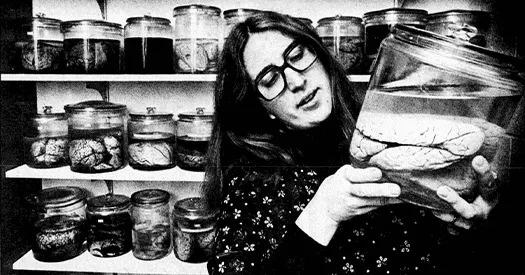
Remembering Barbara Finlay, ‘maverick’ of evolutionary neuroscience - The Transmitter
Brain beholder: Barbara Finlay, pictured here in the Wilder Brain Collection that she curated at Cornell University, spent her 40-year career studying how the brain develops and evolved. Finlay, who died on 12 September, championed the idea that developmental constraints dictate how evolution sculpts brains, a concept she used to model the timing of hundreds of events and align them across mammalian species.
0 comments
No comments yet. Be the first to share your thoughts!