Survodutide for Type 2 Diabetes and Obesity | Metabolic Care Today - DocWireNews
This story deserves to be shared
Send it to someone who'd care, or post it on your networks.

Type 2 DiabetesSurvodutide Reduced Body Weight for Patients With Type 2 Diabetes and ObesityType 2 DiabetesSurvodutide Reduced Body Weight for Patients With Type 2 Diabetes and ObesityPublished: October 21, 2026The SYNCHRONIZE-2 trial is a multinational, double-blind phase 3 trial conducted by Sean Wharton, MD, PharmD, of McMaster University in Hamilton, Ontario, Canada, and colleagues to evaluate the investigational glucagon receptor–glucagon-like peptide-1 receptor dual agonist survodutide. For patients with both type 2 diabetes and obesity, Dr. Wharton and colleagues wrote, “Weight management may be the most effective therapy for type 2 diabetes.”This trial enrolled 752 patients with type 2 diabetes and a BMI of at least 27. Patients were randomly assigned on a 1-to-1-to-1 basis to receive 3.6 mg of survodutide (n=250), 6.0 mg of survodutide (n=251), or placebo (n = 251) by once-weekly injection. The primary end points were percent change in body weight and a reduction in body weight of at least 5% from baseline to week 76. The mean weight change at week 76 (treatment-regimen estimand) was –8.2% in the 3.6-mg group, –9.8% in the 6.0-mg group, and –3.9% in the placebo group.
This article is an excerpt. To read the full content, visit the original source. DocWireNews
Related articles
How a photo of a person’s face could help predict whether they’ll survive cancer treatment - Gulf Coast News and Weather
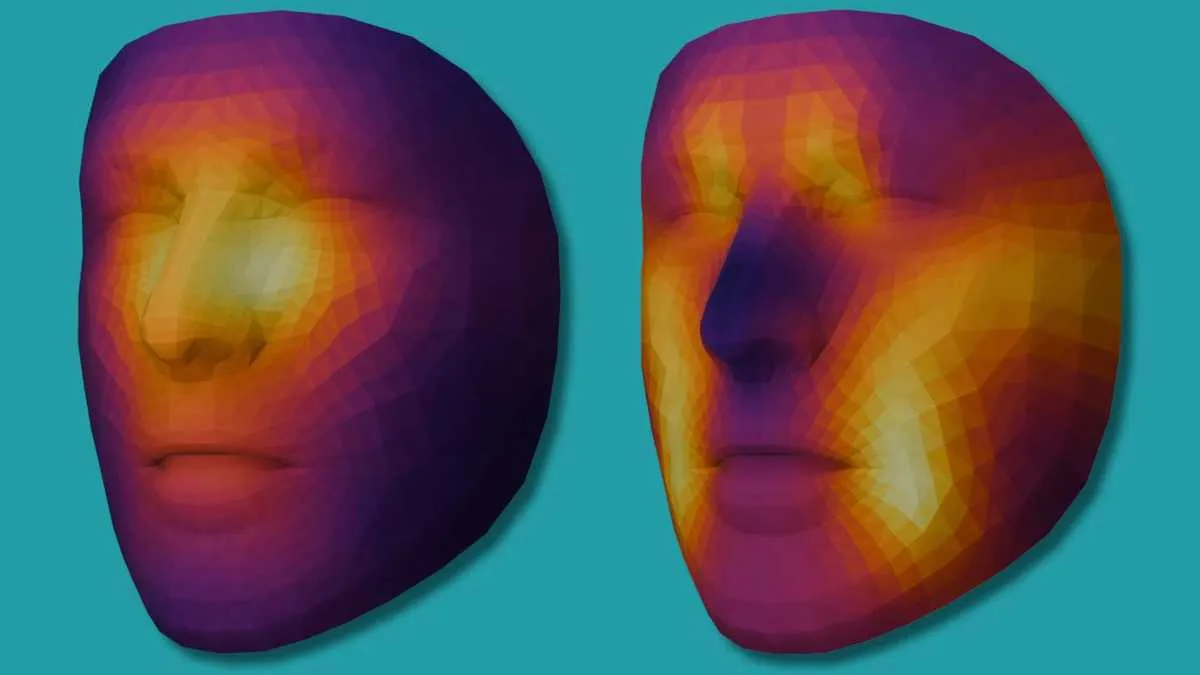
How a photo of a person’s face could help predict whether they’ll survive cancer treatmentA simple selfie could hold surprising clues to your overall health and longevity, especially among people with cancer. Researchers at Mass General Brigham in Boston have developed artificial intelligence models that they say can predict a cancer patient’s biological age and chances of survival using nothing more than a single photograph of their face. Related video above | What to know about lung cancer and when to get screenedThe research, published Monday in the journal The Lancet Digital Health, suggests that facial analysis could become an additional tool for doctors to consider when evaluating a patient’s chances of survival and when deciding which treatment approaches may work best for their cancer patients. “I was pretty surprised to find out that we could pick up signs of mortality risk from just a facial photograph,” said study author Dr. Raymond Mak, a radiation oncologist at Mass General Brigham Cancer Institute and a faculty member in the Artificial Intelligence in Medicine program at Mass General Brigham.
Sask. outbreak raises concerns prompting prevention reminders - CTV News
AtlanticNova ScotiaNew BrunswickPrince Edward Island Newfoundland and LabradorCalgaryLethbridgeKitchenerGuelphNorthern OntarioSudburyNorth BaySault Ste. MarieTimminsOttawaKingstonBrockvillePembrokeReginaYorktonSaskatoonPrince AlbertTorontoWatchWeatherPeelHamiltonDurhamYorkHaltonNiagaraQueen's ParkToronto City HallIn PicturesVancouverVancouver IslandCanadaLocal SpotlightRoyal FamilyPoliticsNanosPower PlayQuestion PeriodFederal Election 2025WorldMideast ConflictRussia-Ukraine WarWatchLatestCaptured on CameraPoliticsLifestyleConsumerHealthExplainedEntertainmentTechnologyDeception DecodedAutosEnvironmentBusinessInflationReal EstateAutos

How you drink your tea could determine whether you gain or lose heart health benefits - CP24
Published: October 21, 2026 at 8:36a.m. EDTMy morning routine isn’t complete without two calming yet energizing cups of green tea. Not only is a cup of tea highly enjoyable, but it has long been associated with health benefits, including a lower risk of heart disease, stroke and dementia. Now, a new study published Wednesday in the Journal of Internal Medicine suggests that how people prepare and drink their tea could also influence their cardiovascular health. Over an average follow-up of about nine years, researchers documented more than 14,800 cases of diseases affecting the heart and blood vessels, such as heart attacks, strokes and peripheral artery disease, which involves narrowing of arteries supplying blood to the arms and legs. Researchers analyzed data from more than 485,000 Chinese adults ages 30 to 79. Participants reported their tea-drinking habits, including how frequently they drank tea, what type they preferred, how strong they brewed it, and how hot they drank it. To help us understand the findings and what they mean for heart health, I spoke with CNN wellness expert Dr. Leana Wen.
Vitamin D May Benefit People With Mild Cognitive Impairment - Fisher Center for Alzheimer's Research Foundation
Older adults with mild cognitive impairment and sleep problems may benefit from supplements containing relatively high doses of vitamin D,…
0 comments
No comments yet. Be the first to share your thoughts!