Spotify adds 'Verified' badges to distinguish human artists from AI - BBC
This story deserves to be shared
Send it to someone who'd care, or post it on your networks.
This article is an excerpt. To read the full content, visit the original source. BBC
Related articles

Zoom adds ‘proof of human’ badges to show you’re not a deepfake
Zoom enterprise customers will now be able to see “proof of human” badges to verify that people appearing on video calls are real, after a global rollout of biometric identity technology from World. On Sunday, the Sam Altman-backed project announced that World ID for Zoom is now available in the Zoom Marketplace. The system compares an image captured by the company’s iris-scanning Orb, a live selfie and the participant’s video feed before displaying a Human Badge visible to other meeting participants. World first announced its Zoom integration in April, when it was undergoing limited beta testing with VanEck Funds. The feature is now available globally to Zoom enterprise customers. World also named Bain Capital, Pantera Capital and other financial firms as initial design partners for its broader identity verification technology. The rollout follows incidents involving AI-generated impersonation. In 2024, an employee at engineering firm Arup transferred about $25 million after scammers impersonated executives during a video conference.
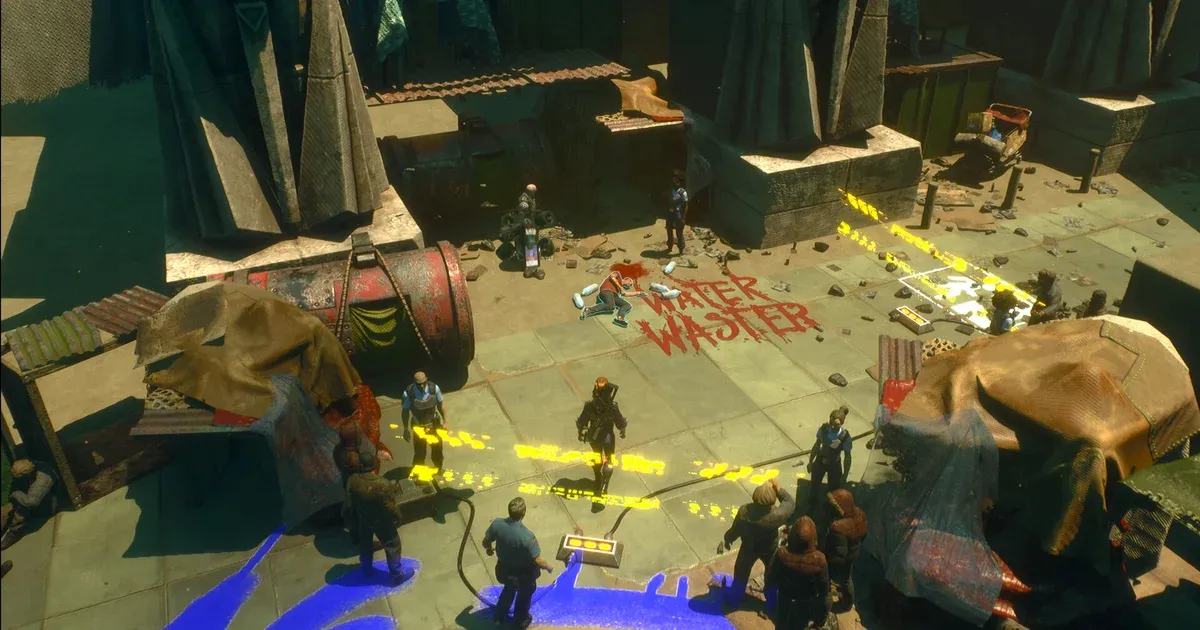
Strange Scaffold announces Gods With Badges, a tactics game where you decide when to switch off your bodycam
Strange Scaffold, the studio behind I Am Your Beast and El Paso, Elsewhere, has announced Gods With Badges, a narrative tactics game about the power police hold over life and death. It was unveiled during the Triple-I Initiative showcase on 8th October and is due out on Steam for PC in 2027. You can check out a trailer below:
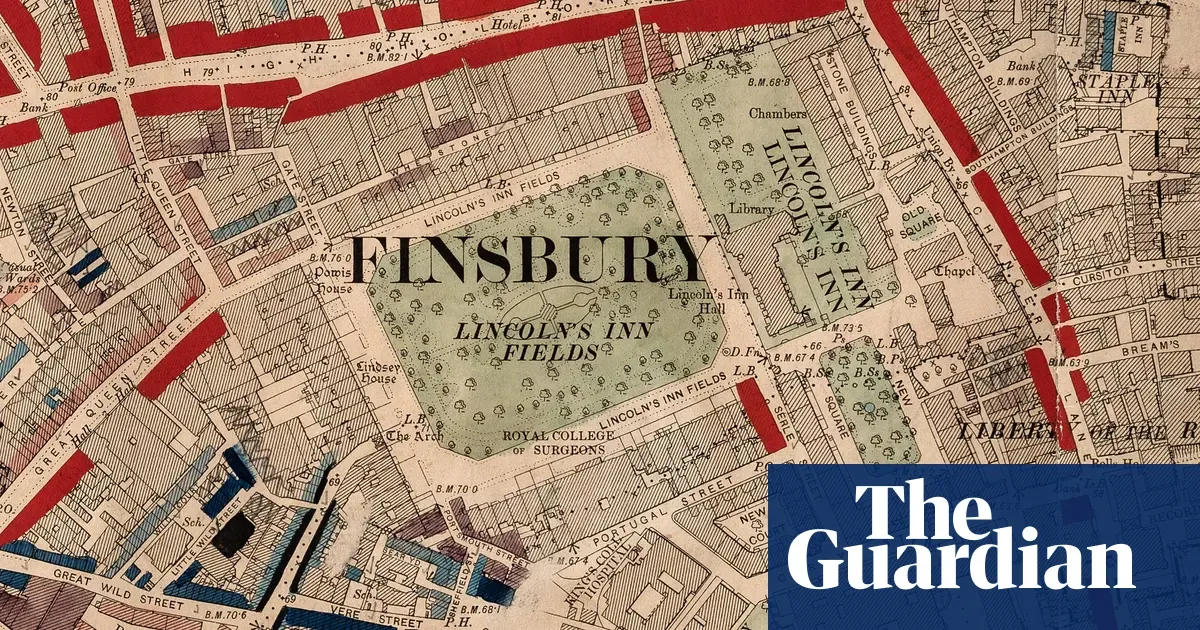
Blue for poor, yellow for posh: the London maps exposing centuries of terrible housing
Charles Booth’s pioneering poverty maps of Victorian London show a vivid colour-coded warren of streets, alleyways and slums tightly packed together. Those marked black and dark blue were classed as being “very poor”, defined by “chronic want”. The light blue ones were poor – “18s to 21s a week for a moderate family”. Pink streets housed those who were “fairly comfortable”, and those where the wealthy lived were marked in yellow. The maps by the British social reformer are the 19th-century equivalent of the modern-day indices of deprivation, which rank every geographic area of the UK by its level of social and economic disadvantage. Comparing the two shows how much has changed in the past 150 years – but also what hasn’t. Historical slums have been cleared away and housing conditions have generally improved, but extreme poverty and extreme wealth continue to live side by side in the capital. Booth’s maps form the backbone of a new exhibition at Senate House library titled A Place to Call Home, which charts the history of housing and poverty in London over the past 200 years.
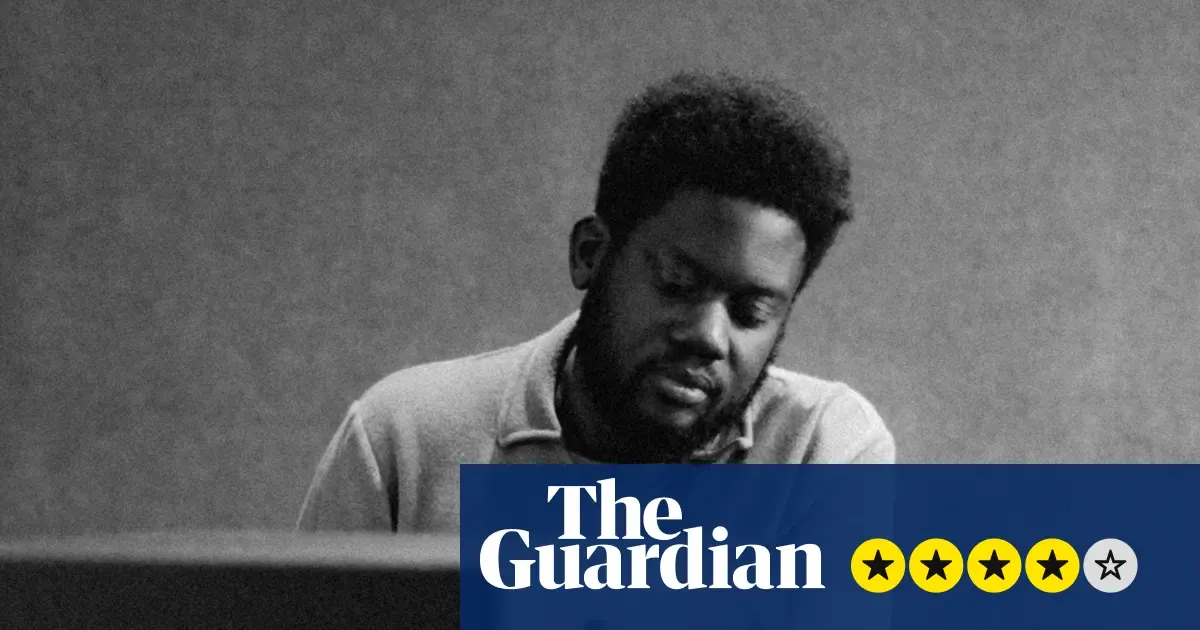
Michael Kiwanuka: Fudge review – rough and instinctive, but also lush and alive with melody
In November 2024, Michael Kiwanuka released his fourth album, Small Changes, an extremely poised and self-assured piece of work. After three gold albums, a Grammy nomination, a Mercury prize win and the ongoing success of Cold Little Heart, a 2017 single hoisted to virality and million-selling status in the US after its use in TV drama Big Little Lies, Kiwanuka – and his long-term production collaborators Danger Mouse and Inflo – evidently felt confident enough to release a beautiful but wilfully understated album. Recorded in LA, some impressive names lurked in the credits: legendary session musicians including bassist Pino Palladino and the drummer James Gadson, who played on Marvin Gaye’s I Want You and Donald Fagen’s The Nightfly; the similarly legendary R&B producer Jimmy Jam served as organist on three tracks. It attracted the kind of critical praise in which adjectives like “unhurried” and “meditative” figured heavily. But it also wasn’t the whole story. It turned out there was a second album, its songs written – or rather, jammed into existence by Kiwanuka and members of his live band – concurrently with Small Changes.
0 comments
No comments yet. Be the first to share your thoughts!