South Africa’s HPV vaccination drive to protect girls from cervical cancer is working – what we know after 10 years - The Conversation
This story deserves to be shared
Send it to someone who'd care, or post it on your networks.

South Africa introduced a vaccination for human papillomavirus (HPV) in public schools in 2014. The programme offered the vaccination to grade 4 girls aged nine years and older. Uptake was high from the start. About 87% of eligible girls received at least one dose during the first year.
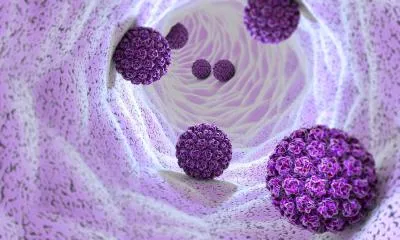
Almost all cervical cancers are caused by persistent infection with HPV, a very common virus transmitted through sexual contact. Most HPV infections clear naturally, but some high-risk types can persist and can eventually lead to cervical cancer. HPV types 16 and 18 alone are responsible for around 70% of cervical cancer cases worldwide.
This article is an excerpt. To read the full content, visit the original source. The Conversation
Related articles
Predicting which HPV infections will progress to cancer: are we there yet? - healthcare-in-europe.com
Infection with the human papillomavirus (HPV) is extremely common and, in the vast majority of cases, clears up on its own. However, in some people, the infection persists and can develop into precancerous lesions or even cancer. How can these high-risk situations be identified at an early stage? This is the central question of a study conducted by Michael Herfs’s team at the Interdisciplinary Biomedical Research Center GIGA’s Laboratory of Experimental Pathology at the University of Liège, published in Trends in Molecular Medicine. For several decades, researchers have sought to identify biomarkers capable of accurately predicting the outcome of an infection with a high-risk oncogenic HPV type. Despite significant advances, no viral, immune-related, or molecular marker can currently and reliably predict which infections will regress spontaneously and which will progress to more severe disease.
Human Papillomavirus (HPV) Vaccination Catch-up Programme - Centre for Health Protection

Screening for cervical cancer doesn’t have to be uncomfortable or time-consuming. - My Prince George Now
This is sponsored content paid for by an advertiser. It was created outside the newsroom and is intended for promotional purposes. The newsroom had no role in producing this material. Self-screening looks for HPV, the virus that causes cervical cancer. It can find people more likely to develop abnormal cell changes so they can get follow-up care to prevent cervical cancer.

HPV Self-Sampling May Improve Cervical Screening Access - EMJ
HUMAN papillomavirus (HPV) self-sampling could offer a promising approach to improving cervical cancer screening access among socially vulnerable migrant women, according to a mixed-methods study conducted in Portugal. Researchers found high levels of acceptability among women participating in a community-based HPV self-sampling intervention, with significant improvements in perceived comfort, confidence, and trust following the experience. The findings suggest that culturally adapted screening approaches delivered through trusted community organisations could help address persistent inequalities in cervical cancer prevention.
0 comments
No comments yet. Be the first to share your thoughts!