Sint Maarten: Health Care Is Reaching New Heights - World Bank Group
This story deserves to be shared
Send it to someone who'd care, or post it on your networks.
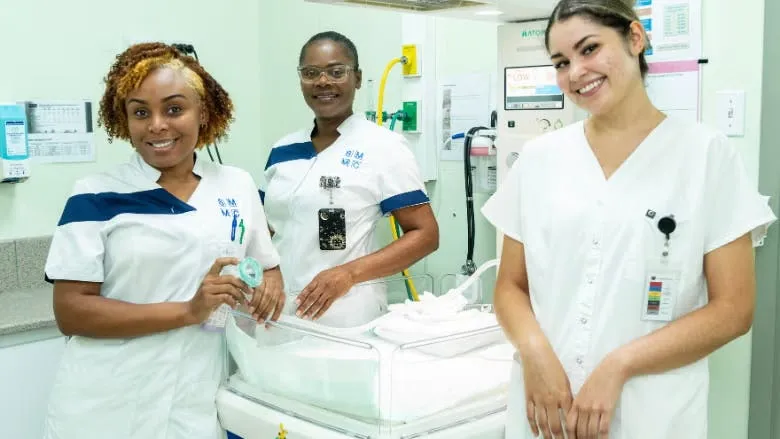
This past year marked a turning point for health care in Sint Maarten on two fronts: construction of the new St. Maarten General Hospital (SMGH) rose to its highest point, and upgrades to the existing St. Maarten Medical Center (SMMC) facility brought improved, more accessible patient care to the island today.
With financing support from the Sint Maarten Trust Fund’s Hospital Resiliency and Preparedness Project and private investors, SMGH construction advanced to the upper floors. In March 2026, construction reached its highest point, a milestone in the building trade known as "topping out. " "Structural works are nearly complete, and finishing works have already begun," says Erika van der Horst, SMGH Contract Manager. "This is bringing us closer to the moment when the hospital will be ready for use. "
This article is an excerpt. To read the full content, visit the original source. World Bank Group
Related articles

PAHO and Sint Maarten sign Country Cooperation Strategy to strengthen health system and improve health outcomes - Pan American Health Organization (PAHO)
Washington, D. C., 29 September 2026 (PAHO) – The Pan American Health Organization/World Health Organization (PAHO/WHO) and the Government of Sint Maarten today signed the 2026–2031 Country Cooperation Strategy (CCS), establishing a six-year framework to guide cooperation to strengthen the country’s health system and improve the health and well-being of its population. The agreement was signed by PAHO Director Dr. Jarbas Barbosa and Claret M. M. Connor, Minister of Public Health, Social Development and Labor of Sint Maarten, on the sidelines of the 63rd Directing Council of PAHO in Washington, D. C. “The Country Cooperation Strategy provides a clear framework for PAHO/WHO to work with Sint Maarten to strengthen national capacities and advance the country’s health priorities,” said Dr. Barbosa.
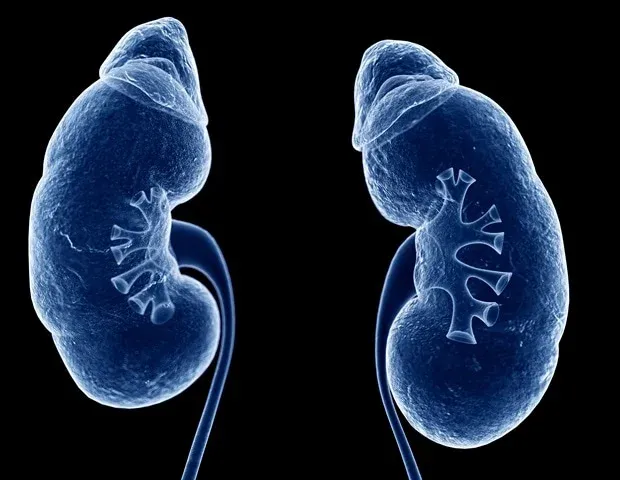
New clinical decision support tool aims to improve chronic kidney disease care - News-Medical
Investigators have developed and validated a clinical decision support tool to improve the diagnosis and treatment of chronic kidney disease (CKD) at the point of care. The research will be presented at ASN Kidney Week 2026 October 22–25. Called Treat CKD, the tool draws on electronic health records data to identify CKD, classify risk by Kidney Disease: Improving Global Outcomes criteria, calculate kidney failure risk using the Kidney Failure Risk Equation, estimate cardiovascular risk using American Heart Association PREVENT equations, and provide recommendations for albuminuria testing, blood pressure management, cholesterol-lowering therapy, cardio-kidney therapies, and nephrology referral.
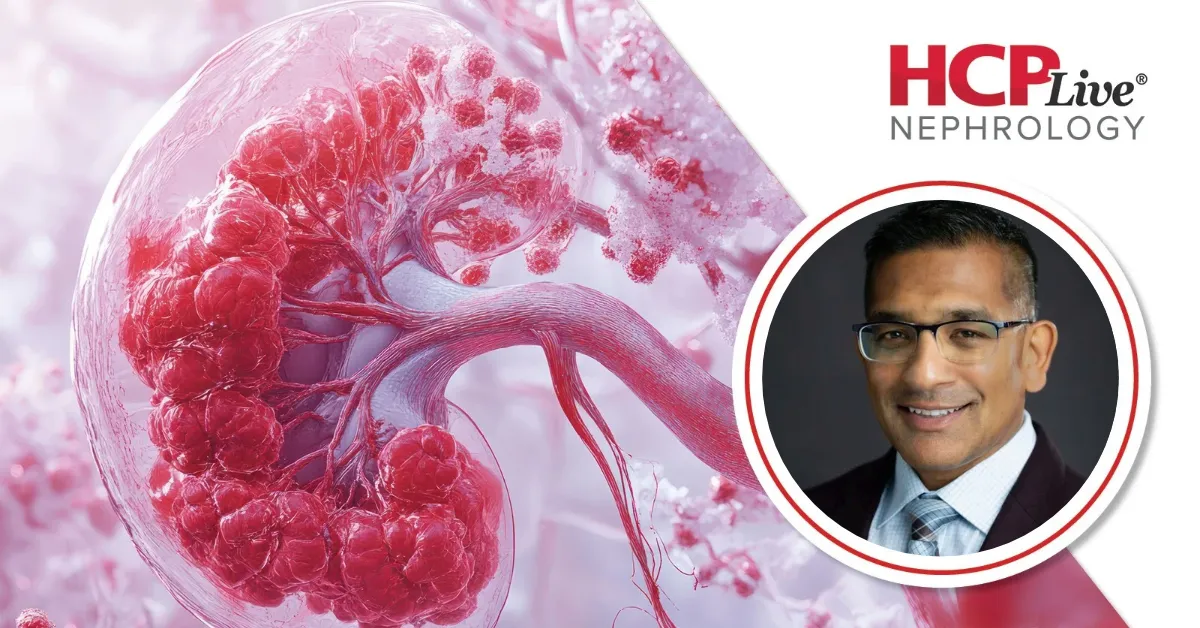
Counseling Kidney Donors on Future Pregnancy, With Amit Garg, MD, PhD - HCPLive
Future pregnancy plans don’t preclude living kidney donation, but candidates should be counseled on gestational hypertension risk. Future pregnancy plans need not rule out living kidney donation, but candidates should be counseled on hypertensive risk. New data on pregnancy after living kidney donation give transplant teams clearer numbers to share with donor candidates who may want children in the future.¹In a matched cohort study from 3 Canadian provinces, presented at American Society of Nephrology (ASN) Kidney Week 2026 by Amit X. Garg, MD, PhD, and published simultaneously in JAMA, most donor pregnancies were uncomplicated, with a modest increase in hypertensive disorders of pregnancy.¹ Will Donating a Kidney Affect Future Pregnancies? In 2024, more than 40,000 living kidney donations were reported across 88 countries.¹ For donors who may become pregnant later, Garg said the central question is whether donation will affect those pregnancies.

Interpreting Kidney Donor Pregnancy Signals, With Amit Garg, MD, PhD - HCPLive
News|Videos|October 22, 2026 Chance, biology, and shared genetics may explain more small for gestational age births after living kidney donation. Small for gestational age births and shared donor-recipient genetics complicate the picture of pregnancy after living kidney donation. Investigators behind a new Canadian study of pregnancy after living kidney donation are weighing why donors had more small for gestational age (SGA) births than matched nondonors, and whether shared genetics with recipients could play a role.¹The matched cohort study, presented at American Society of Nephrology (ASN) Kidney Week 2026 by Amit X. Garg, MD, PhD, and published simultaneously in JAMA, spanned 3 provinces and also found a modest increase in hypertensive disorders of pregnancy among donors.¹ How Did the Study Compare Donors and Nondonors? Using linked administrative health databases from Ontario, British Columbia, and Alberta, investigators compared 385 pregnancies in 252 living kidney donors with 1,540 matched pregnancies in 1,535 nondonors.¹ To reflect donors’ healthier baseline profile, nondonors with any of 35 conditions that would preclude donation were excluded.
0 comments
No comments yet. Be the first to share your thoughts!