Sialylated CD43 forms a glyco-immune barrier that restrains antileukemic immunity - Science | AAAS
This story deserves to be shared
Send it to someone who'd care, or post it on your networks.
This article is an excerpt. To read the full content, visit the original source. Science | AAAS
Related articles
PITX1 safeguards epithelial identity and restrains EMT plasticity - Nature
We’re sharing this article early to provide faster access to peer-reviewed, accepted research. It is citable and carries a permanent DOI. This version is subject to further edits and will be replaced automatically by the final Version of Record. All legal disclaimers apply. AbstractEpithelial cell identity is maintained by coordinated transcriptional and epigenetic programs that preserve tissue integrity and restrain epithelial–mesenchymal transition (EMT)–driven plasticity. Through integrative transcriptomic and chromatin accessibility analyses of human mammary epithelial cells, we identify the homeobox transcription factor PITX1 as a master regulator of epithelial fate and a potent suppressor of EMT. Loss of PITX1 alone is sufficient to induce transcriptional reprogramming, cytoskeletal remodeling, and morphological shifts characteristic of EMT, comparable to those elicited by TGF-β stimulation. Conversely, restoration of PITX1 in aggressive breast cancer cells markedly reduces their migratory capacity. In patient tumors, PITX1 is enriched in epithelial compartments and EMT‑low subtypes, but downregulated in mesenchymal‑like cancers.

When climate data is transformed into visuals, some people and places get overlooked - Phys.org
When a climate disaster happens, people thousands of miles away may encounter it through numbers: how many people died, how many were displaced, how many homes were destroyed and how much infrastructure was damaged. But for the people living through it, the disaster is not a data set. It is a home, a family, a livelihood and a place. Billions of people around the world live in places and situations that are highly vulnerable to climate change, such as parts of Africa, Asia and small Pacific islands.
I’ve Gone Fossil Hunting Around the World, and This Is the Best Place to See Dinosaur Bones - AFAR Media
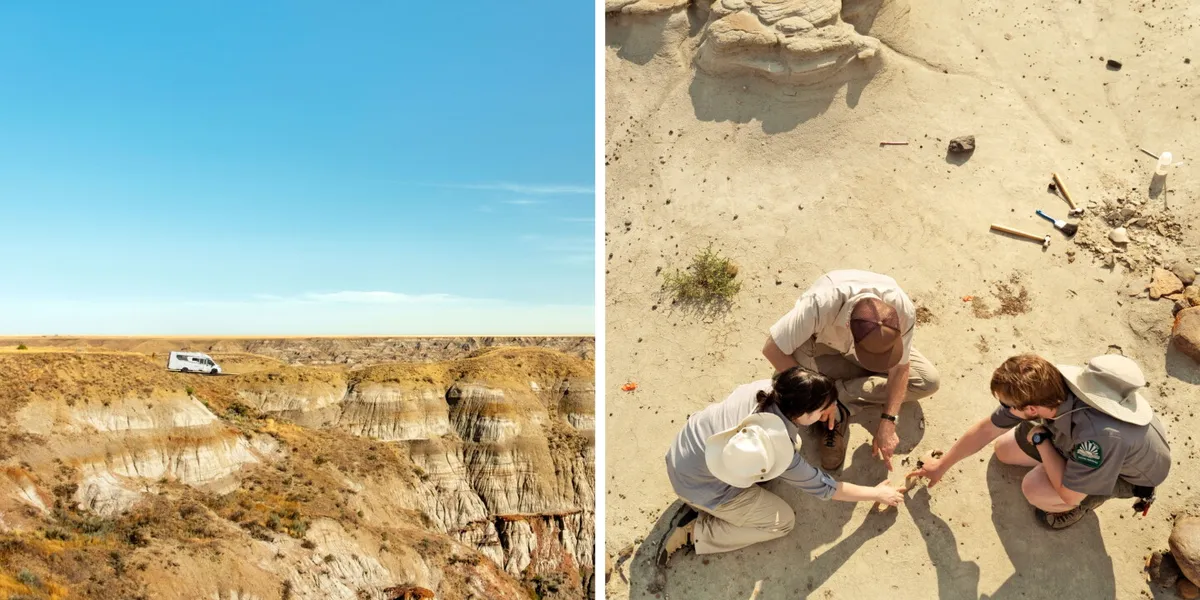
Millions of years of erosion of clay and sandstone have created the unique landscape of the Alberta badlands, where dinosaur bones can often be found poking right out of the ground. Photo by Cody Baker/Travel Alberta (L); photo by roth + ramberg/Travel Alberta (R) Dinosaur Provincial Park in Alberta, Canada, has the highest concentration of Late Cretaceous dinosaur fossils in the world. Researchers have discovered more than 44 dinosaur species here and unearthed more than 150 complete skeletons that are now on display at some of the world’s major natural history museums. These credentials earned the park a UNESCO World Heritage site designation. Given all of this, I knew I had to see it for myself. What is Dinosaur Provincial Park like? I stood on the rock-hard ground of Alberta’s badlands, the sun blazing down on the tall hills and hoodoos around me, looking at the striations in the layers of clay and sandstone that held the landscape’s geologic history. As starkly beautiful as the scenery was, I found my gaze locked on something right in front of me: a white bone protruding from a mound of tan sandstone, its exposed end split and weathered, its interior akin to concrete.
How a massive ice shelf buttressed the last ice age’s glaciers — and what it could mean for Antarctica today - CLAS News
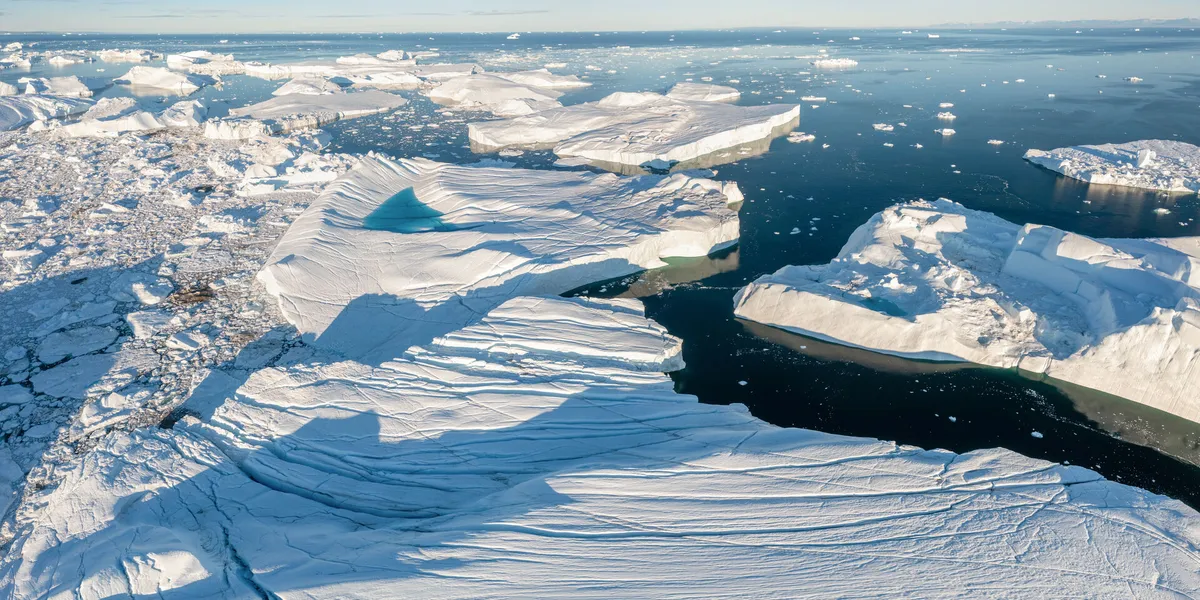
About 20,000 years ago, an enormous, floating ice shelf more than a mile thick helped lock in three of the largest ice sheets in northern Canada and Greenland. When that ice shelf disappeared, it helped unlock part of these ice sheets, which contributed to hundreds of feet of sea level rise, establishing modern coastlines as we know them. Those are the findings of a new study that uncovered evidence of an ancient ice shelf in Baffin Bay, west of Greenland. The size and scale of such a floating fortress of ice was not previously known, and it provides clues to the future of today’s massive ice sheets in Antarctica and the sea-level rise that could follow if they melt.
Will plants survive climate change? The 'Great Dying' reveals clues about their resilience. - Live Science
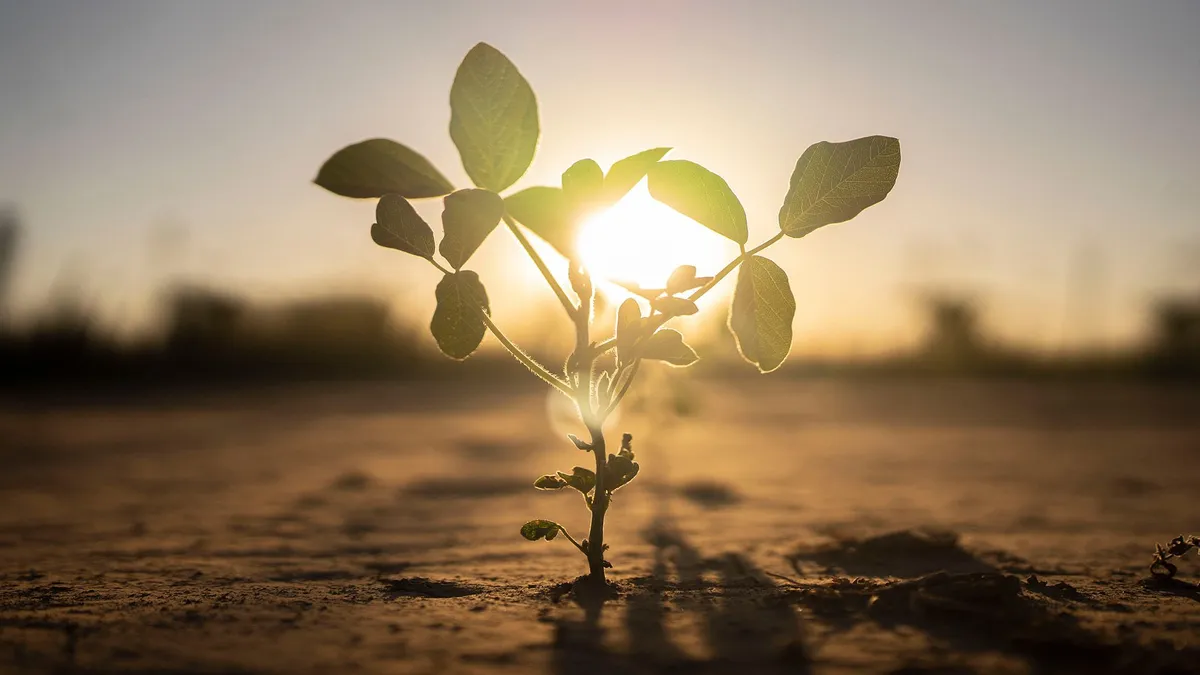
Plants can't easily pick up and move when environmental conditions get rough, so they've evolved strategies to weather harsh conditions in place. That could help some plants survive in the face of a warming climate.

ESA Open Days 2026 - European Space Agency
For the best possible video quality and to enable the sharing functionality, please accept all cookies. To adjust your cookie settings, click here. ESA Open Days 2026 welcomed over 23 000 visitors across its six establishments, giving the public the opportunity to discover more about Europe’s space activities, meet the people behind the missions and explore how ESA is shaping the future of space.
0 comments
No comments yet. Be the first to share your thoughts!