Scientists Found a Sugar That's Sweet, Low-Calorie, And Doesn't Spike Insulin - ScienceAlert
This story deserves to be shared
Send it to someone who'd care, or post it on your networks.
This article is an excerpt. To read the full content, visit the original source. ScienceAlert
Related articles

Scientists may have found a shortcut to calorie restriction’s anti-aging benefits - Science Daily
Reducing calorie intake has extended lifespan in animals including mice, rhesus monkeys, and fruit flies. In some studies, the animals also remained healthier for longer. But severe calorie restriction can come with serious costs. Mice placed on a diet with 40% fewer calories, for instance, become more vulnerable to infections, reproduce less successfully, and show impaired growth. That has left scientists with a difficult question: Could humans gain some of the longevity benefits of calorie restriction without experiencing those harmful effects? A new study, published in Nature Aging, points to a possible answer involving an immune protein called complement component 3 (C3).
Scientists Gave People 2 Nearly Identical Meals. One Triggered Much More Insulin. - ScienceAlert
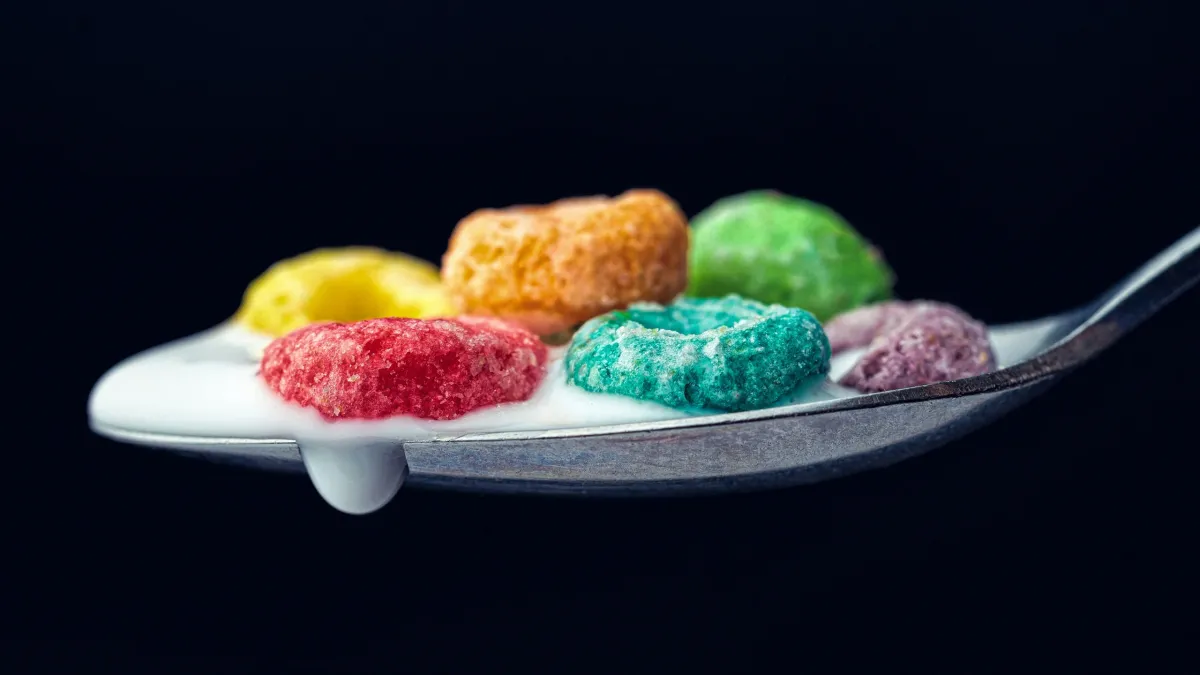
You've probably heard a bit about ultra-processed foods by now, and if so, you likely know they're not the healthiest things you can eat. These industrially manufactured foods are increasingly being linked to heightened risk of disease, and research suggests they may affect how we think and harm our mental health. In light of all the concerning associations scientists are finding, it's easy to assume that ultra-processed foods are unhealthy because they're packed full of nutritionally poor ingredients – but what if there's more to it than that? "We know that the majority of ultra-processed foods are high in fat, they're high in sugar, they're low in fiber, and they're low in protein," says neuroscientist Alex DiFeliceantonio from Virginia Tech. "But if we artificially hold all of those things constant, is there something about the processing that leads to a different outcome? "The answer, it seems, is yes, according to a surprising finding reported in Nature Metabolism. Ultra-processed foods seem to produce a different metabolic response, even when nutrients and calories are matched.
Scientists Gave People BPA For 5 Days. Their Insulin Sensitivity Changed - ScienceAlert
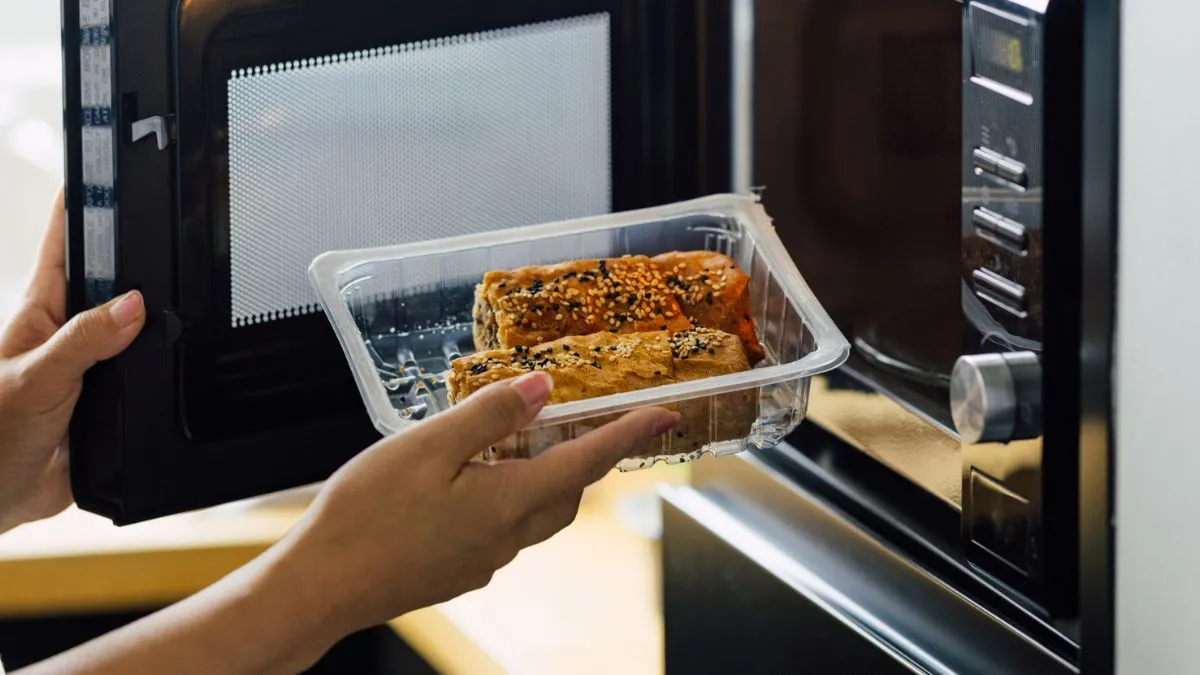
A ubiquitous industrial chemical commonly used in food and beverage packaging may quietly mess with the body's insulin sensitivity when ingested. Bisphenol A (BPA) is one of the highest-volume chemicals produced worldwide. Since the 1960s, it has been used to manufacture an unfathomable number of plastic packages and epoxy resins, which coat the insides of many food and beverage cans. By some estimates, BPA is so widely consumed that it is present in the urine of more than 90 percent of the US population. But is that safe? US health guidelines might say yes, but the first experimental evidence in humans has now found that ingesting BPA, even at low doses, may reduce insulin sensitivity in the short term. Plastic bottles can contain BPA. (fotoblend/pixabay)"Given that diabetes is a leading cause of death in the US, it is crucial to understand even the smallest factors that contribute to the disease," said senior author and diabetes researcher Todd Hagobian when presenting the preliminary results at the Scientific Sessions of the American Diabetes Association in 2024.

Researchers Put Spinach Directly Into Bread And Saw The Body's Insulin Response Change - ScienceAlert
Scientists have figured out how to secretly enrich white bread with spinach – and it could have an immediate and measurable impact on the body's insulin response. In a recent crossover trial, funded by Monash University in Australia and published in Future Foods, researchers tested a novel bread recipe on 15 healthy adults. After a night of fasting, participants were randomized to either consume white bread for breakfast or bread secretly enriched with spinach. The next week, they ate the other type of bread. Both options smelled and tasted pretty much the same, and participants weren't told which bread they were eating on either day, although one option was admittedly greenish. Compared to the white bread, the spinach-enhanced bread contained 28 percent more fiber, 58 percent more folate, 78 percent more calcium, 90 percent more iron, and two times as much potassium. After breakfast, all participants showed relatively similar blood glucose patterns, regardless of which bread they ate. But the insulin of those who unknowingly ate spinach did something intriguing. When participants ate the spinach bread, insulin peaked roughly 30 minutes later than when they ate the white bread.
0 comments
No comments yet. Be the first to share your thoughts!