Role of Physical Activity in Obesity Treatment and Cardiometabolic Health - professional.heart.org
This story deserves to be shared
Send it to someone who'd care, or post it on your networks.
This article is an excerpt. To read the full content, visit the original source. professional.heart.org
Related articles

Bringing cardiometabolic care closer to communities in Vietnam - PATH
In Thai Nguyen Province, Vietnam, PATH and local health partners are strengthening primary health care by connecting communities, health workers, and digital tools for earlier detection and long-term management of cardiometabolic diseases. Noncommunicable diseases (NCDs), including cardiovascular diseases, diabetes, and metabolic disorders, are now the leading causes of death in Vietnam, accounting for about 81 percent of all deaths each year. Yet for many people, especially those living farther from health facilities, opportunities for early screening and ongoing care remain limited. At the primary health care (PHC) level, services have traditionally focused heavily on hypertension, with conditions such as diabetes, dyslipidemia, and obesity receiving less attention. Health workers also face fragmented information systems, with paper records and disconnected digital platforms making it difficult to follow patients across the continuum of care.
Long-term "Food Is Medicine" program improves cardiometabolic health in adults - News-Medical
Providing people with nutritious foods can improve the management of chronic metabolic diseases such as type 2 diabetes and hypertension. However, most studies of "Food Is Medicine" programs have only looked at their short-term impacts - on the scale of weeks to months. A new study led by Mass General Brigham researchers shows that a longer duration Food Is Medicine program through the Mass General Brigham Revere Community Health Center's Food Pantry was associated with dose-dependent improvements in cardiometabolic health in adults. They found that patients who received weekly plant-based grocery packages for an average of 2.7 years showed dose-dependent reductions in diastolic blood pressure, body weight, and body mass index (BMI). Results are published in Preventing Chronic Disease. "Our results suggest that plant-based food interventions are promising and, in the future, should focus on longer duration for improving cardiovascular and metabolic health," said senior author Lauren Fiechtner, MD, MPH, Division Chief of Pediatric Gastroenterology, Hepatology and Nutrition at Mass General Brigham for Children and Senior Health and Research Advisor at the Greater Boston Food Bank.
Long-term ‘Food is Medicine’ program associated with improved adult cardiometabolic health - EurekAlert!
image: The food packages were designed by a dietitian and consisted of fresh fruits and vegetables, canned beans, nut butter, and whole grains. Providing people with nutritious foods can improve the management of chronic metabolic diseases such as type 2 diabetes and hypertension. However, most studies of “Food Is Medicine” programs have only looked at their short-term impacts — on the scale of weeks to months. A new study led by Mass General Brigham researchers shows that a longer duration Food Is Medicine program through the Mass General Brigham Revere Community Health Center’s Food Pantry was associated with dose-dependent improvements in cardiometabolic health in adults. They found that patients who received weekly plant-based grocery packages for an average of 2.7 years showed dose-dependent reductions in diastolic blood pressure, body weight, and body mass index (BMI). Results are published in Preventing Chronic Disease.
Fatty liver disease is actually five different conditions, scientists discover - Science Daily
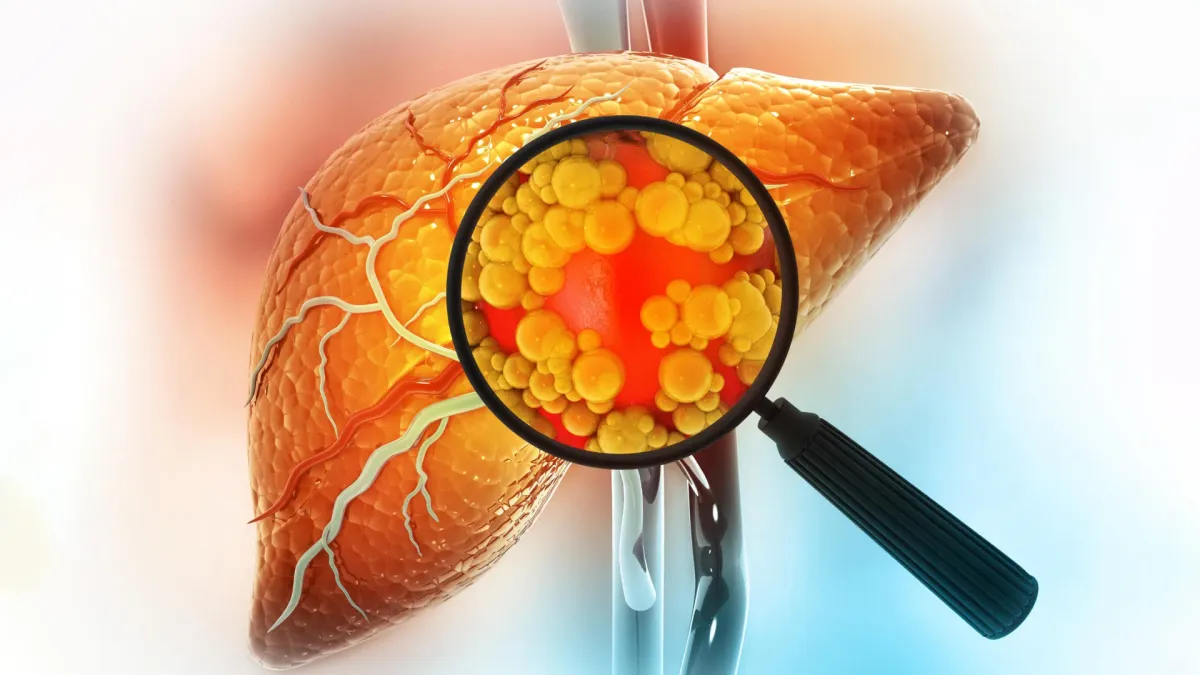
A common liver disease affecting nearly 30% of adults worldwide is far more complex than previously understood. Researchers at Mayo Clinic have identified five biologically distinct forms of the condition, each associated with different risks of serious health complications, including heart disease, liver failure, cancer, and the need for a liver transplant. The findings, published in Nature Communications, come from a collaboration between Mayo Clinic and Virginia Tech. Scientists discovered that metabolic dysfunction-associated steatotic liver disease, or MASLD, can develop through several different biological pathways. Some are closely connected to obesity and diabetes, while others appear to be driven by inherited genetic differences.
0 comments
No comments yet. Be the first to share your thoughts!