Long-term "Food Is Medicine" program improves cardiometabolic health in adults - News-Medical
This story deserves to be shared
Send it to someone who'd care, or post it on your networks.
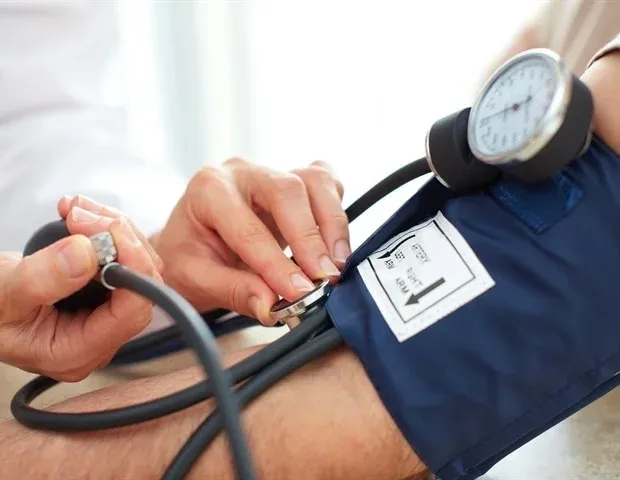
Providing people with nutritious foods can improve the management of chronic metabolic diseases such as type 2 diabetes and hypertension. However, most studies of "Food Is Medicine" programs have only looked at their short-term impacts - on the scale of weeks to months. A new study led by Mass General Brigham researchers shows that a longer duration Food Is Medicine program through the Mass General Brigham Revere Community Health Center's Food Pantry was associated with dose-dependent improvements in cardiometabolic health in adults. They found that patients who received weekly plant-based grocery packages for an average of 2.7 years showed dose-dependent reductions in diastolic blood pressure, body weight, and body mass index (BMI). Results are published in Preventing Chronic Disease.
"Our results suggest that plant-based food interventions are promising and, in the future, should focus on longer duration for improving cardiovascular and metabolic health," said senior author Lauren Fiechtner, MD, MPH, Division Chief of Pediatric Gastroenterology, Hepatology and Nutrition at Mass General Brigham for Children and Senior Health and Research Advisor at the Greater Boston Food Bank.
This article is an excerpt. To read the full content, visit the original source. News-Medical
Related articles
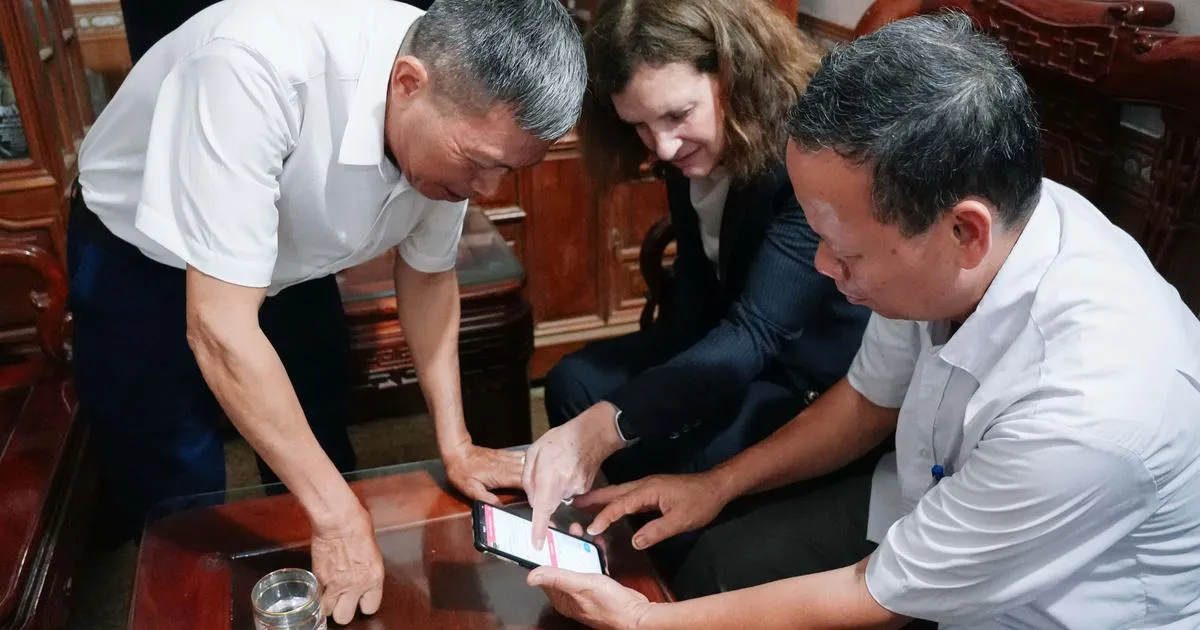
Bringing cardiometabolic care closer to communities in Vietnam - PATH
In Thai Nguyen Province, Vietnam, PATH and local health partners are strengthening primary health care by connecting communities, health workers, and digital tools for earlier detection and long-term management of cardiometabolic diseases. Noncommunicable diseases (NCDs), including cardiovascular diseases, diabetes, and metabolic disorders, are now the leading causes of death in Vietnam, accounting for about 81 percent of all deaths each year. Yet for many people, especially those living farther from health facilities, opportunities for early screening and ongoing care remain limited. At the primary health care (PHC) level, services have traditionally focused heavily on hypertension, with conditions such as diabetes, dyslipidemia, and obesity receiving less attention. Health workers also face fragmented information systems, with paper records and disconnected digital platforms making it difficult to follow patients across the continuum of care.
Long-term ‘Food is Medicine’ program associated with improved adult cardiometabolic health - EurekAlert!
image: The food packages were designed by a dietitian and consisted of fresh fruits and vegetables, canned beans, nut butter, and whole grains. Providing people with nutritious foods can improve the management of chronic metabolic diseases such as type 2 diabetes and hypertension. However, most studies of “Food Is Medicine” programs have only looked at their short-term impacts — on the scale of weeks to months. A new study led by Mass General Brigham researchers shows that a longer duration Food Is Medicine program through the Mass General Brigham Revere Community Health Center’s Food Pantry was associated with dose-dependent improvements in cardiometabolic health in adults. They found that patients who received weekly plant-based grocery packages for an average of 2.7 years showed dose-dependent reductions in diastolic blood pressure, body weight, and body mass index (BMI). Results are published in Preventing Chronic Disease.

Trusted support improves mental health in LGBQ+ teens - News-Medical
Gay or bisexual teens who have someone to turn to with a serious problem have significantly better mental health outcomes than those who don't, according to a new study from Tulane University researchers. Among gay and lesbian teens, an estimated 61% of those without a trusted person had experienced depression in the past year, compared with 35% of those who had at least one person to turn to. The gap was even wider for suicidal thoughts: 66% of gay and lesbian teens without a trusted person had seriously considered suicide, compared with 27% of those with one.

Continuous glucose monitors help type 2 diabetes patients spend 5 more hours a day in healthy blood sugar range - Medical Xpress
Continuous glucose monitors (CGMs) could transform diabetes management for millions of Americans with type 2 diabetes who don't take insulin, according to findings published in the New England Journal of Medicine. The clinical trial found that adults using CGMs spent approximately five additional hours each day within their target blood sugar range compared with those receiving routine care. Nearly twice as many CGM users also achieved an A1c level below 7%, a common treatment goal for people with diabetes.
Wearing headphones during surgery may reduce nausea and vomiting afterward - Medical Xpress
Patients who wore noise-canceling headphones during minimally invasive gynecological surgery were significantly less likely to experience postoperative nausea and vomiting (PONV), suggest findings from a randomized clinical trial presented at the Anesthesiology 2026 annual meeting.
0 comments
No comments yet. Be the first to share your thoughts!