RGX-202 Meets Primary End Point in Phase 3 Duchenne Trial - NeurologyLive
This story deserves to be shared
Send it to someone who'd care, or post it on your networks.

Pivotal AFFINITY DUCHENNE results showed microdystrophin expression above the prespecified threshold in 93% of evaluable participants, with preliminary functional findings favoring treatment over external controls. RGX-202, an investigational gene therapy for Duchenne muscular dystrophy (DMD), met the primary end point in the phase 3 portion of the multicenter, open-label AFFINITY DUCHENNE trial (NCT05693142), with mean microdystrophin expression exceeding 10% of normal levels at week 12.
This article is an excerpt. To read the full content, visit the original source. NeurologyLive
Related articles
World Duchenne Awareness Day 7 September - Welcome to the United Nations

Mepolizumab Reduces Systemic Corticosteroid Exposure in Eosinophilic COPD - HCPLive
In pooled phase 3 data, mepolizumab lowered mean yearly systemic corticosteroid exposure by 178.97 mg in patients with a BEC of ≥150 cells/µL. Mepolizumab (Nucala) reduced total yearly systemic corticosteroid (SCS) exposure, particularly high-dose courses, in patients with COPD and type 2 inflammation receiving inhaled triple therapy, according to pooled phase 3 data presented at the American College of Chest Physicians (CHEST) 2026 Annual Meeting in Phoenix.¹,²Although treatment guidelines recommend SCS for COPD exacerbations, these agents are associated with complications in this population, prompting interest in targeted therapies capable of limiting their use.¹ Mepolizumab, a humanized monoclonal antibody targeting interleukin-5 (IL-5), is approved for patients with COPD and an eosinophilic phenotype.
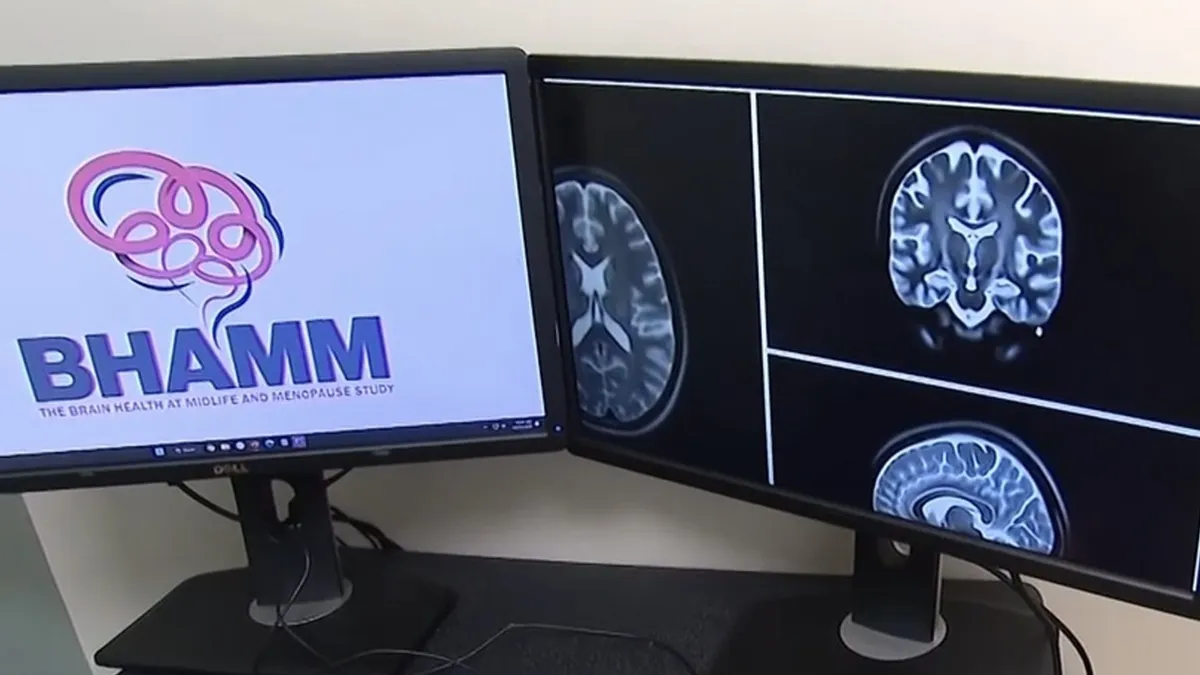
TMU research examines menopause, memory and brain health - CityNews Toronto
Losing your train of thought or searching for a familiar word can raise some serious concerns for women approaching menopause. Researchers at Toronto Metropolitan University are working on investigating how this transition affects memory and how these changes impact brain health later in life. On this Menopause Day, Natasha Rajah, a professor of Psychology and Tier 1 Canada Research Chair in Sex, Gender and Diversity in Brain Health, Memory and Aging at TMU, is highlighting the research examining menopause and memory related issues showing signs of early dementia.
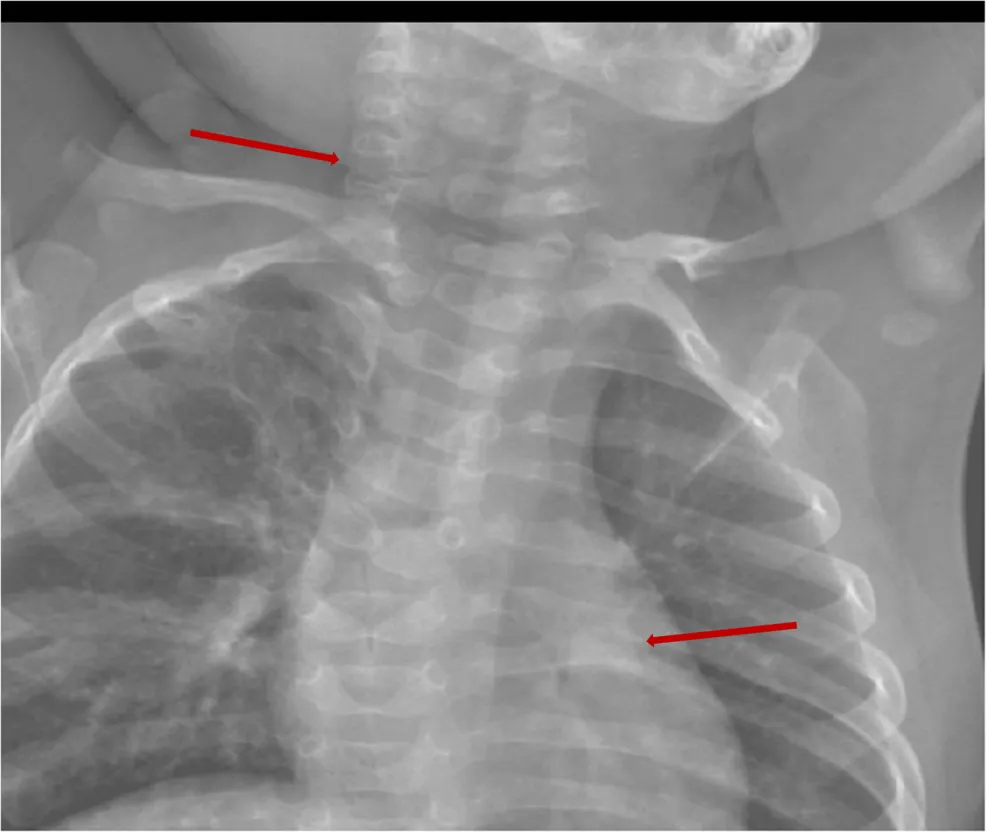
Congenital Cervical Vertebral Segmentation Failure Presenting as Refractory Torticollis in Infancy: A Case of Klippel-Feil Syndrome - Cureus
We present a case of a six-month-old female with a five-month history of right-sided torticollis that showed little improvement despite physical therapy. She presented to the emergency department due to parental concern for pneumonia, with congestion and cough without respiratory distress. Physical examination demonstrated leftward rotation and right lateral flexion of the head and cervical spine, consistent with the previously diagnosed right-sided torticollis. Chest radiographs were obtained in the workup for pneumonia and incidentally revealed segmentation anomalies of the cervical and upper thoracic spine as well as multiple bilateral bifid and fused ribs, more pronounced on the right. The radiographic findings were interpreted as highly suggestive of Klippel-Feil syndrome (KFS). In the setting of refractory torticollis and characteristic congenital vertebral abnormalities, the diagnosis of KFS was made. No acute complication requiring immediate intervention was documented. Referral to appropriate specialists was recommended for further evaluation and longitudinal management. This case highlights the importance of maintaining a broad differential diagnosis when evaluating refra
0 comments
No comments yet. Be the first to share your thoughts!