Repair of DNA double-strand breaks leaves heritable impairment to genome function - Science | AAAS
This story deserves to be shared
Send it to someone who'd care, or post it on your networks.
This article is an excerpt. To read the full content, visit the original source. Science | AAAS
Related articles
NASA's Freeze-Resistant Moon Battery Could Eventually Reach EVs - Crude Oil Prices Today | OilPrice.com
Haley Zaremba is an energy journalist and researcher with more than a decade of professional experience covering global energy systems, land and natural resources, and… Prototype solid-state cells from NASA's SPEARS project survived minus 274 degrees Fahrenheit without damage and ran, at reduced performance, down to minus 112 degrees.
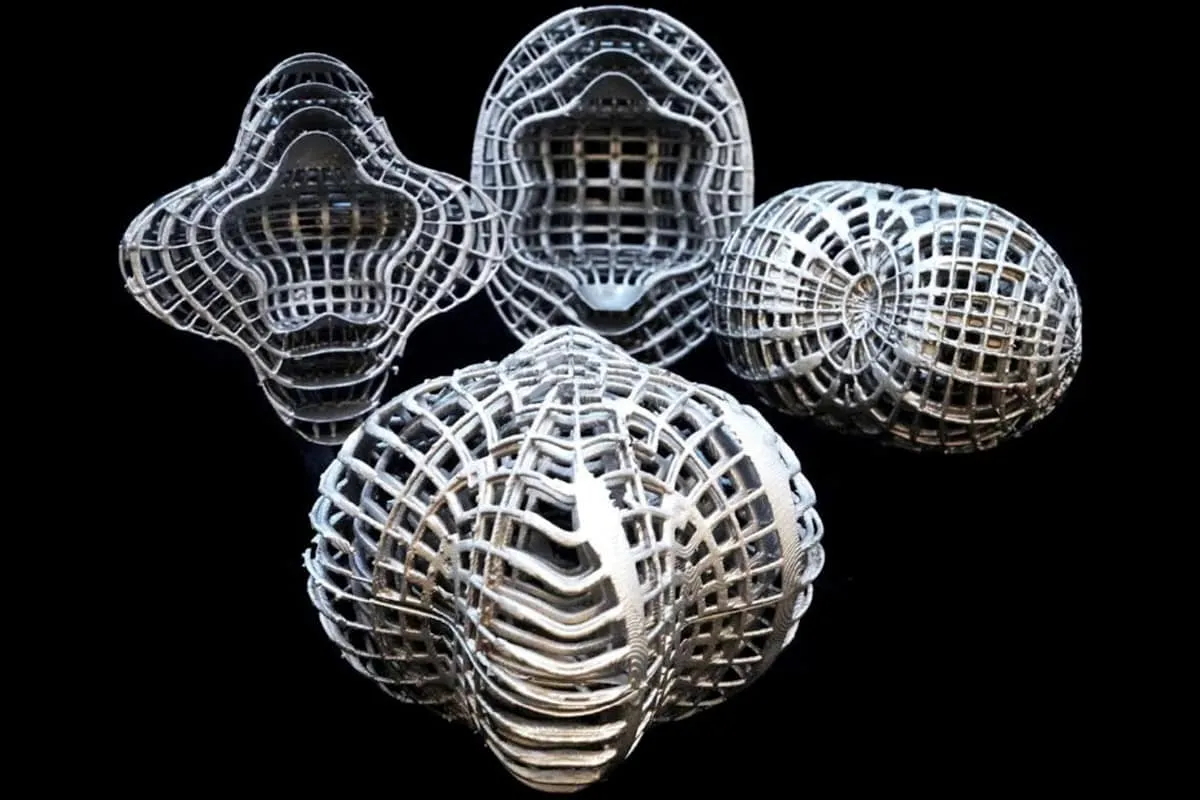
Scientists Built a 3D Cloak That Makes Objects Almost Invisible to Thermal Cameras - ZME Science
Engineers introduce a 3D-printed, hybrid aluminum-and-rubber cloaking device that blocks an object’s thermal signature by guiding heat around it, rendering it invisible to infrared cameras. Credit: University of Illinois Urbana-Champaign. An object doesn’t have to be visible to give away its location. Sometimes, the way it disrupts the flow of heat is enough to reveal that something is hiding there, much to the despair of camouflaged soldiers who have to endure thermal vision drones on the battlefield. Now, engineers have developed a device that can make that thermal signature almost disappear (although sadly it won’t work for infantry).

Stellar collision may explain why Orion Nebula's planet-forming disks appear younger than its stars - Phys.org
The Orion Nebula is a large star-forming region visible to the naked eye. Some of the young stars in the nebula are surrounded by disks of gas and dust in which planets form. Radiation from the massive central star, 1 Ori C1 (Theta-1 Orionis C1), gradually strips material from these disks, giving them shapes that resemble tadpoles. The disks are losing mass so rapidly that, given the age of the stars (around 1 million years), they should have disappeared long ago. The large gas shell surrounding the central star poses another puzzle. The star sets the surrounding gas in motion, causing the shell to expand at around 13 kilometers per second (8 miles per second).

Early Predatory Dinosaurs Survived Shift in Their Ecosystem, Fossil Fragment Suggests - Sci.News
A single bone from southern Brazil indicates that herrerasaurids, among the first large meat-eating dinosaurs, persisted after the fauna around them changed. An artistic representation of the CAPPA/UFSM 0539 herrerasaurid dinosaur in life. Image credit: Johnny Pauly V. Mingau.
0 comments
No comments yet. Be the first to share your thoughts!