Quantum modeling for breakthroughs in materials science and sustainable energy - MIT News
This story deserves to be shared
Send it to someone who'd care, or post it on your networks.
This article is an excerpt. To read the full content, visit the original source. MIT News
Related articles
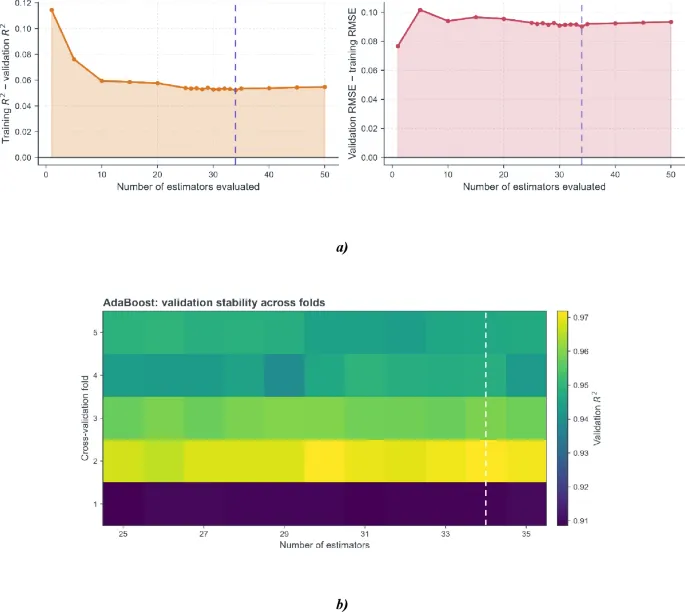
Machine learning modeling and interpretation of saline soil thermal conductivity - Nature
We’re sharing this article early to provide faster access to peer-reviewed, accepted research. It is citable and carries a permanent DOI. This version is subject to further edits and will be replaced automatically by the final Version of Record. All legal disclaimers apply. AbstractSoil thermal conductivity is a key parameter in geothermal design, buried infrastructure, frozen-ground engineering, agricultural heat-transfer assessment, and subsurface energy systems. This study developed an interpretable multi-model machine-learning framework for predicting soil thermal conductivity from 903 literature-derived observations and 15 predictors describing temperature, texture, bulk density, volumetric water content, salt concentration, salt molar mass, and ionic identity. Eleven regression algorithms were optimized by five-fold cross-validation within a common 90% development subset and compared on an untouched 10% random hold-out. Extra Trees yielded the lowest observed random-holdout error (R² = 0.9816, RMSE = 0.0625 W m⁻¹ K⁻¹, MAE = 0.0446 W m⁻¹ K⁻¹, AARE = 3.93%, and A20 = 98.90%), with CatBoost and XGBoost providing similarly high point performance.
Zoya Abbasi and Jaden Saïd win 2026 Applied Mathematics, Modeling and Computational Science (AMMCS) prize - University of Waterloo
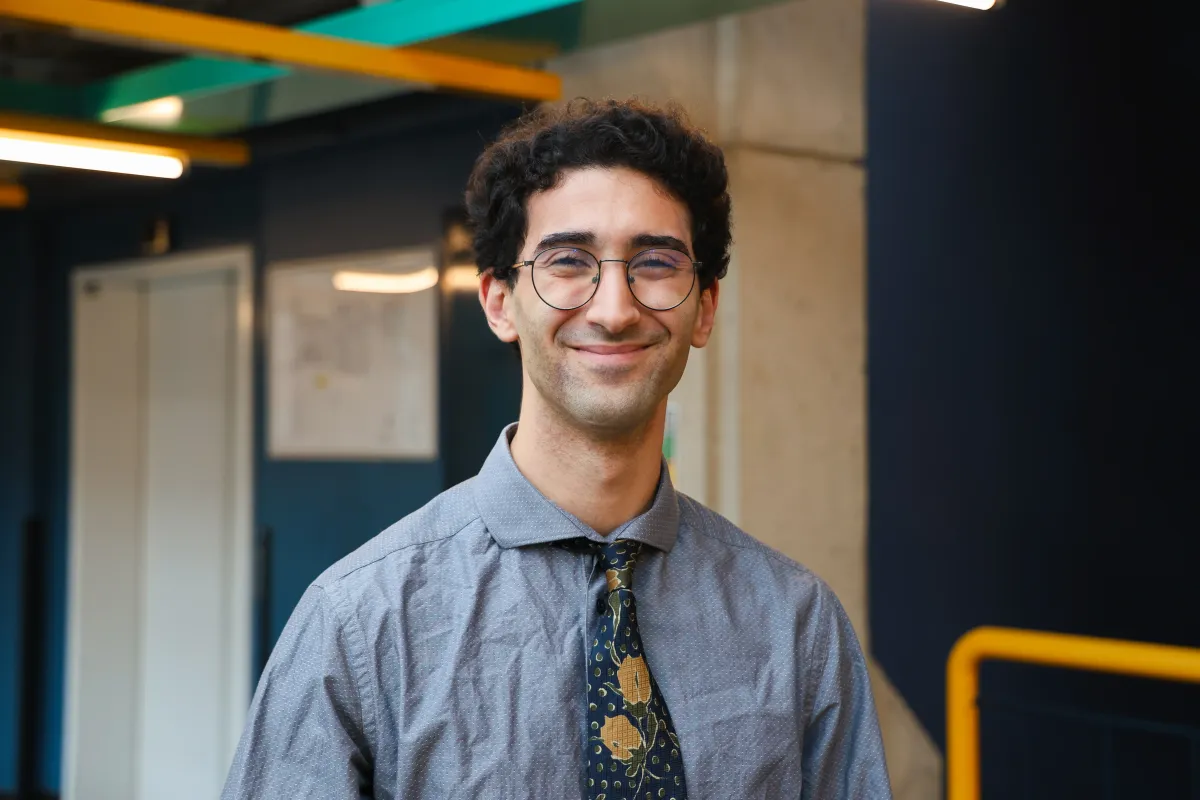
Congratulations to Zoya Abbasi and Jaden Saïd, winners of the 2026 Applied Mathematics, Modeling and Computational Science (AMMCS) prizes at this year’s AMMCS International conference. AMMCS aims to promote interdisciplinary research and collaboration involving mathematical and computational sciences within a larger international community, and highlight recent advances in applied mathematics, modeling and computational science. The interdisciplinary international conference started in 2011 and was hosted in Waterloo this year.
How Claude is uplifting biomolecular modeling - Anthropic
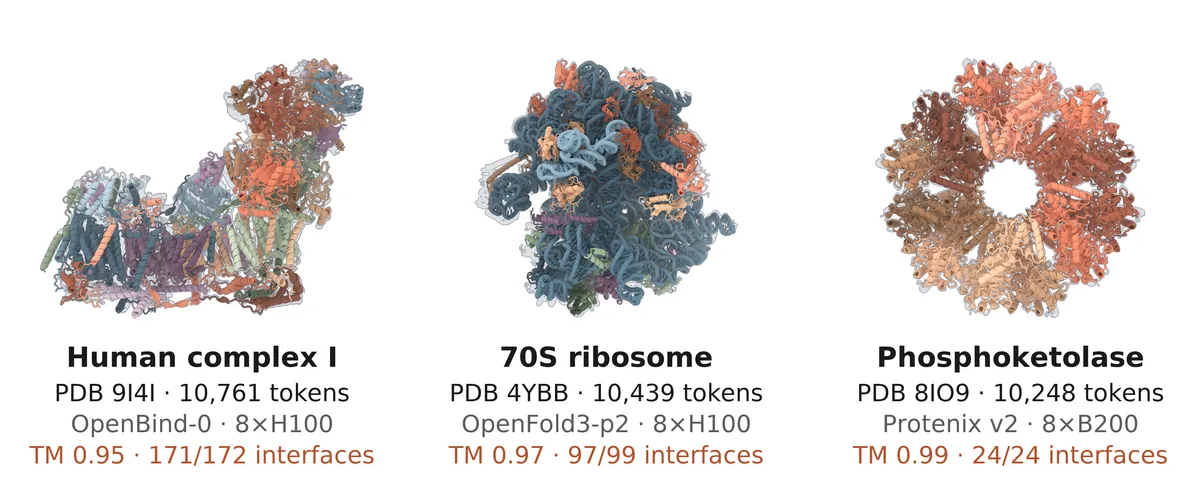
In this post, we share how Claude made the open-source models that scientists use to predict and design biomolecules faster and more memory-efficient. Claude, working within Claude Science, optimized more than 30 of these models in just under four weeks, speeding them up roughly 4x on average. It also created a low-memory mode that enables the accurate prediction of biomolecular systems larger than 10,000 tokens (amino acids, nucleotides, and atoms from small molecules and ions) on a single NVIDIA GPU node. We are open-sourcing all of the optimized code and announcing a protein design competition co-sponsored with Adaptyv Bio, backed by up to $1 million in Claude credits and wet lab validation for over 5,000 designs. Recently, we shared results demonstrating Claude’s abilities to design de novo protein binders through expert-level orchestration of open-source protein design and structure prediction models. De novo binders are small, computationally designed proteins that attach tightly to a specific target molecule to activate, block, or deliver something to it.
0 comments
No comments yet. Be the first to share your thoughts!