Pre-travel experiential tourism communication: A study of Catalonia and Veneto - UB - Universitat de Barcelona
This story deserves to be shared
Send it to someone who'd care, or post it on your networks.
This article is an excerpt. To read the full content, visit the original source. UB - Universitat de Barcelona
Related articles
Are Startups GDPR-Ready? Lessons from Catalonia’s Tech Ecosystem - UB - Universitat de Barcelona

Who Owns a Traveler’s Connectivity? Airlines, Hotels, and Platforms Share the Responsibility
This sponsored content was created in collaboration with a Skift partner. A traveler lands in a new country and reaches for a phone. The boarding pass, hotel address, ride-hailing app, maps, payment tools, and messages all live there, and every one of them assumes a working connection.

They Just Booked the Hotel Room — But They’re Already Looking for a Better Deal
The confirmation email used to mark the end of the sale. For many travelers, it now marks the start of a second round of shopping, and most hotels are not set up to compete in it. New research from Skift and McKinsey & Company finds that 41% of U. S. travelers keep checking prices on their trip after they’ve booked, and 29% keep looking at other options in case something more desirable becomes available.
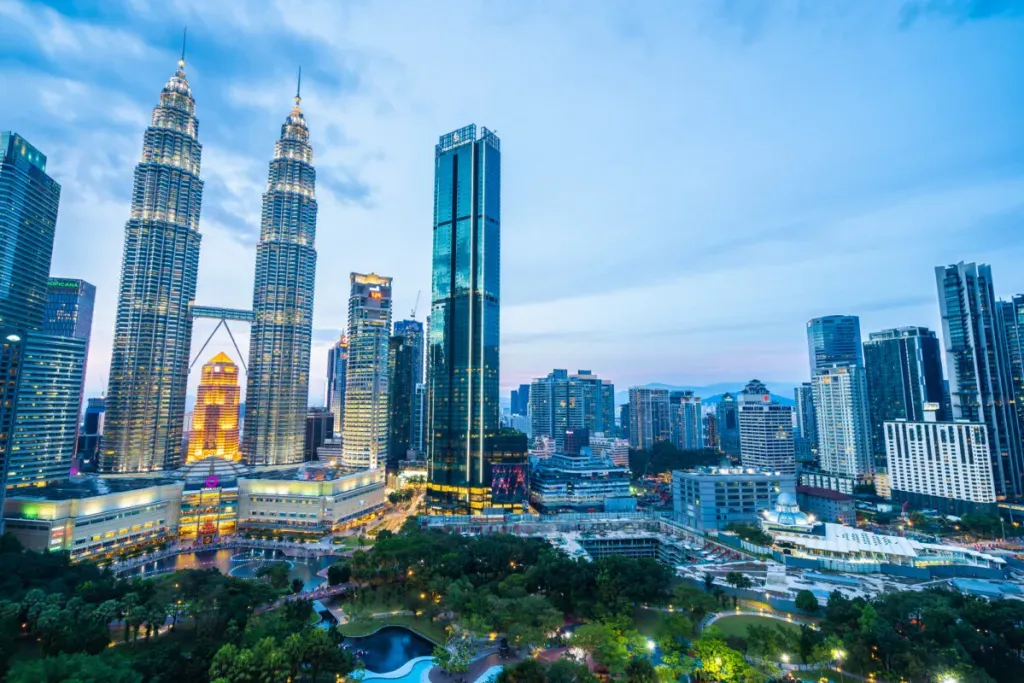
Southeast Asia’s Haze Lands on Malaysia’s Already Flat Tourism Year
Photo Credit: The Kuala Lumpur skyline featuring the Petronas Twin Towers, a popular tourist attraction. Freepik / lifeforstock Malaysia’s inbound tour operators are reporting November cancellations, Indonesia has logged more than 2,600 disrupted domestic flights, and sightseeing itineraries in Singapore are being cut short as haze from Indonesian forest and peatland fires settles over the region ahead of year-end travel.
0 comments
No comments yet. Be the first to share your thoughts!