Southeast Asia’s Haze Lands on Malaysia’s Already Flat Tourism Year
This story deserves to be shared
Send it to someone who'd care, or post it on your networks.
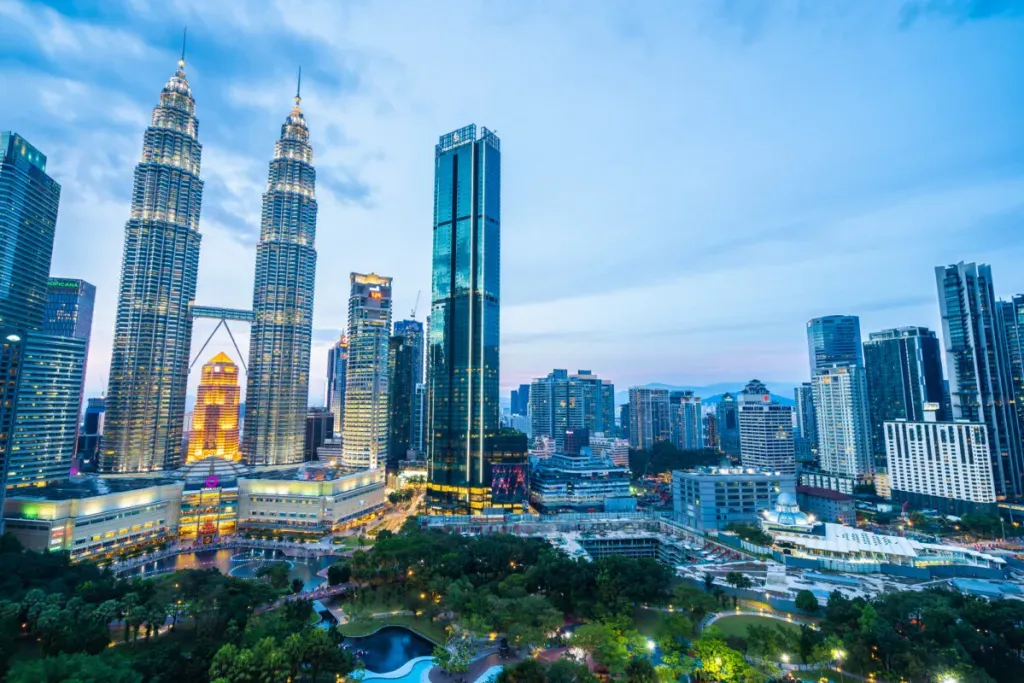
Photo Credit: The Kuala Lumpur skyline featuring the Petronas Twin Towers, a popular tourist attraction. Freepik / lifeforstock
Malaysia’s inbound tour operators are reporting November cancellations, Indonesia has logged more than 2,600 disrupted domestic flights, and sightseeing itineraries in Singapore are being cut short as haze from Indonesian forest and peatland fires settles over the region ahead of year-end travel.
This article is an excerpt. To read the full content, visit the original source. Skift
Related articles

Beyond the haze: What wildfire smoke means for lung health - University of Calgary
In recent years, increased wildfire activity and smoke exposure has become so common that checking the air quality index is as routine as checking the weather forecast. There’s good reason for that. Clinicians and researchers specializing in lung cancer are seeing more cases among younger adults and people who have never smoked, making environmental exposures an increasingly important area of study. “In Canada, we are seeing 40 per cent of people who are diagnosed with lung cancer whose tumours are not attributable to tobacco,” says Dr. Aaron Goodarzi, PhD, associate director of basic and translational research at the Arnie Charbonneau Cancer Institute. Currently, awareness of these risks is low despite the fact that the Canadian Cancer Society reports long-term exposure to many environmental toxicants such as radon, asbestos, arsenic and air pollution has also been shown to increase the risk of developing lung cancer. “In my lung cancer clinics, I'm seeing patients that are young, as young as in their 20s and 30s, who have a diagnosis of lung cancer and have never smoked.
Death Toll From Europe’s Extreme Summer Heat Estimated At More Than 50,000
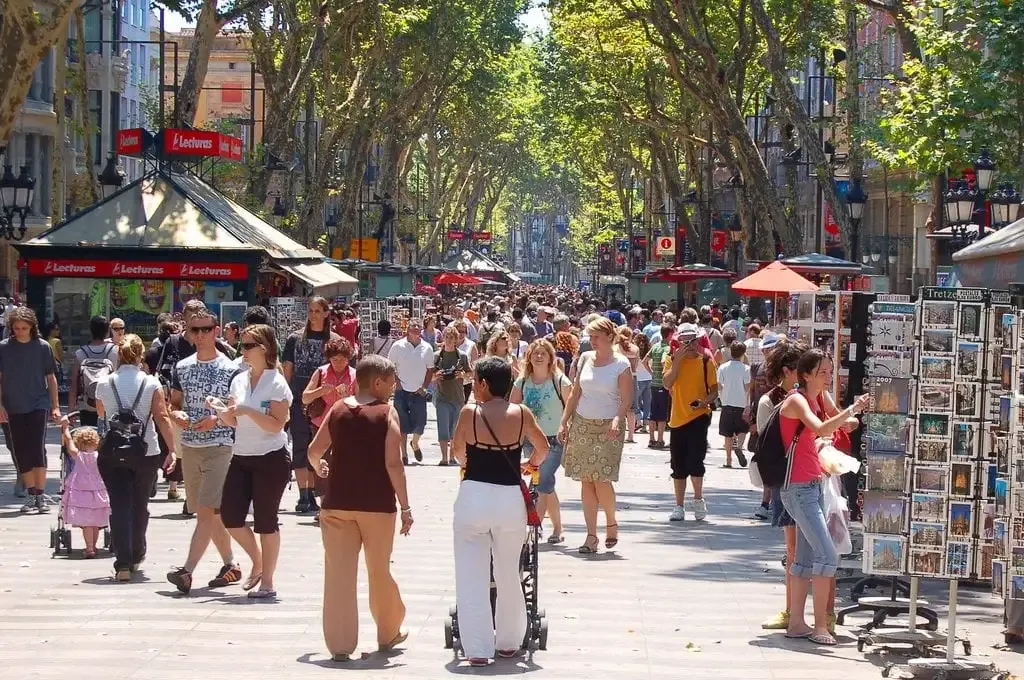
Extreme heat is estimated to have caused more than 50,000 excess heat deaths in European towns and cities during summer 2026, according to two new peer-reviewed studies due to be published in Nature Health — and climate change is largely to blame. Popular tourist cities faced criticism this summer for their lack of shaded spaces and air conditioning (AC), with the latter emerging as a sort of culture war between climate action and comfort. But new analysis by Imperial College London and by the London School of Hygiene & Tropical Medicine shows heat is an increasingly important safety issue.

Accor Builds Caution Into Outlook Over France Unrest and Middle East
Photo Credit: In Mont Ventoux in Provence, southern France, Château de Mazan is a hotel that belongs to Accor's network. Accor Accor is bracing for a bumpy end to the year because of uncertainty in two of its key markets.
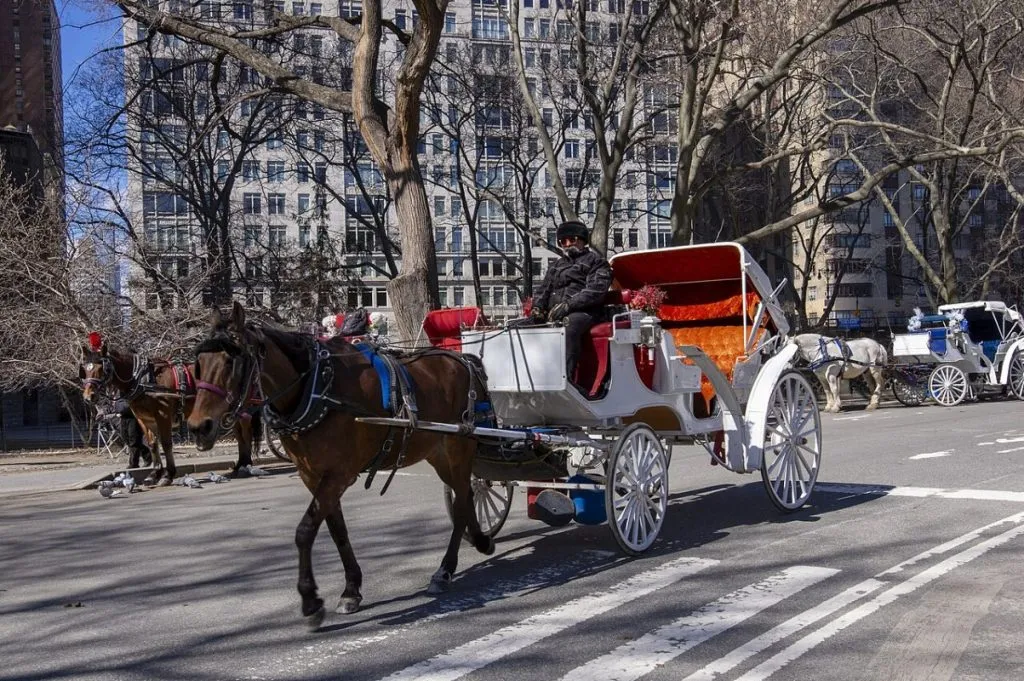
NYC’s Horse-Drawn Carriages To End by 2028
After more than 165 years, New York City’s horse-drawn carriage industry is coming to an end. A bill passed by the New York City Council Thursday will phase out the horse-drawn cab industry by mid-2028. The rides have long been promoted to tourists, with a longtime carriage driver and stable manager calling it “one of the most iconic things to do” in the city.

American Airlines Expects a 2026 Loss. How It Plans to Turn a Profit in 2027.
American Airlines CEO Robert Isom said Thursday he believed the carrier could be profitable in 2027 even as it is battered by soaring jet fuel costs. “We think we can be profitable next year,” he said during a call with analysts. “And that's driven by what we've seen this year. We've had fuel expenses now grow $7 billion over the course of the year. But for that, we'd be solidly profitable.”
0 comments
No comments yet. Be the first to share your thoughts!