Participatory development and proof-of-concept of an intersectionality-informed art-based group intervention for BIPoC girls | Scientific Reports - Nature
This story deserves to be shared
Send it to someone who'd care, or post it on your networks.
This article is an excerpt. To read the full content, visit the original source. Nature
Related articles
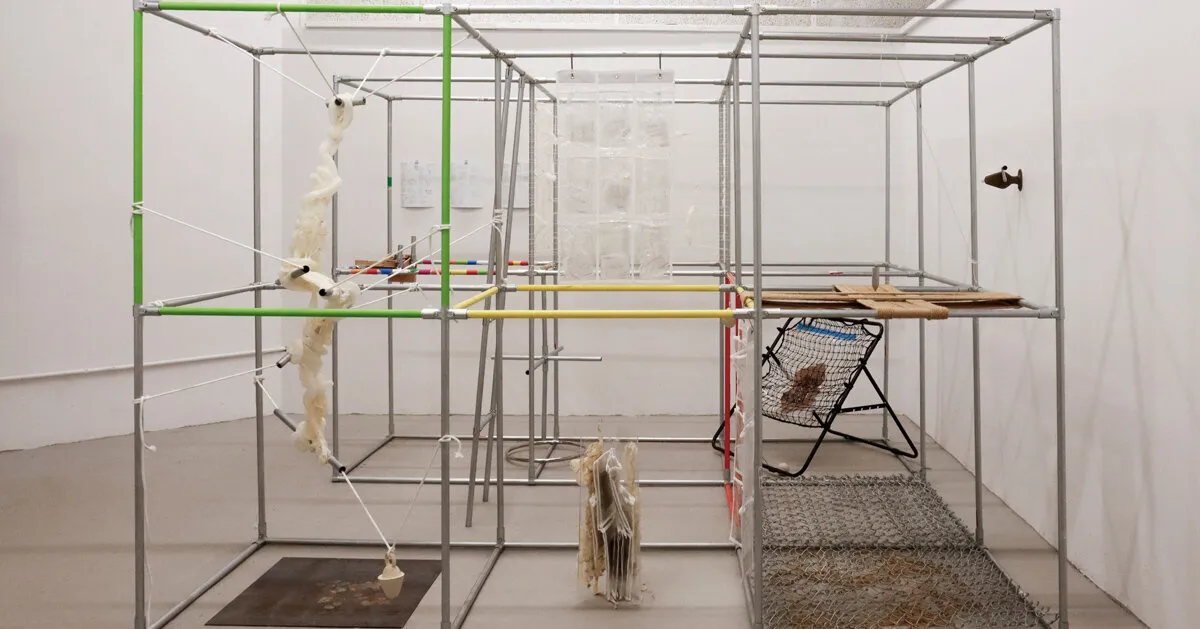
metal pipe grid transforms personal rituals of control into participatory playground
Interactive playground by WON JI LIM EXPLORES rituals of controlCreated by Chicago-based South Korean artist Won Ji Lim, Shifting Center (2026–ongoing) is a participatory sculptural installation that translates personal rituals of control, such as counting, checking, and aligning objects, into a physical, interactive environment. Measuring approximately 9 × 9 × 6 feet, the modular structure is constructed from metal pipes and connectors, forming a framework reminiscent of a playground jungle gym. The installation integrates suspended objects, woven membranes, transparent pockets, balancing mechanisms, and a series of rule-based activities that visitors can physically enter and navigate. Shifting Center is a participatory sculptural environment in which movable structures, suspended materials, and personal rules form an evolving system of order and adjustment | all images ©Won Ji LimThe artwork is a self-contained system, open to physical additionsThe project by artist Won Ji Lim pairs structural framework with unstable or organic materials.

Basma and Temir Alcy: NAD review – skulking, sultry French-Moroccan crew evoke this shifting season
The new album from French-Moroccan vocalist Basma and Paris-based group Temir Alcy comes just in time for the changing of the clocks. It’s a dark and disorientating listen, exploring themes of loss and new beginnings over swampy, downtempo rhythms. The 11 tracks here linger somewhere between folk, shoegaze and ambient, with skulking percussion, droning passages and plucked strings soaked in reverb. Opening track Belati sets the tone with its spacious, shapeshifting composition, where ghostly drones and Basma’s layered calls give way to a sluggish beat. Most of the tracks follow a similar non-structure: amorphous but with an intermittent, sultry groove, like the winding bass on Khti Sarah, or the slow, swinging rhythm on Aji M3aya. Basma and Temir Alcy: NAD album cover. Basma’s performance is always captivating. Singing in a mixture of Darija (vernacular Arabic) and French, she delivers poetic snapshots in sensory terms that chime with the shifting seasons: “shy light”, blowing wind and bonfires. On Rised, breathy fragments are looped and reversed into a dreamy haze, while her lilting chants on La Tourne have a hypnotic effect.
Murder on the dancefloor: are phones, drugs and chatter killing off dancing?
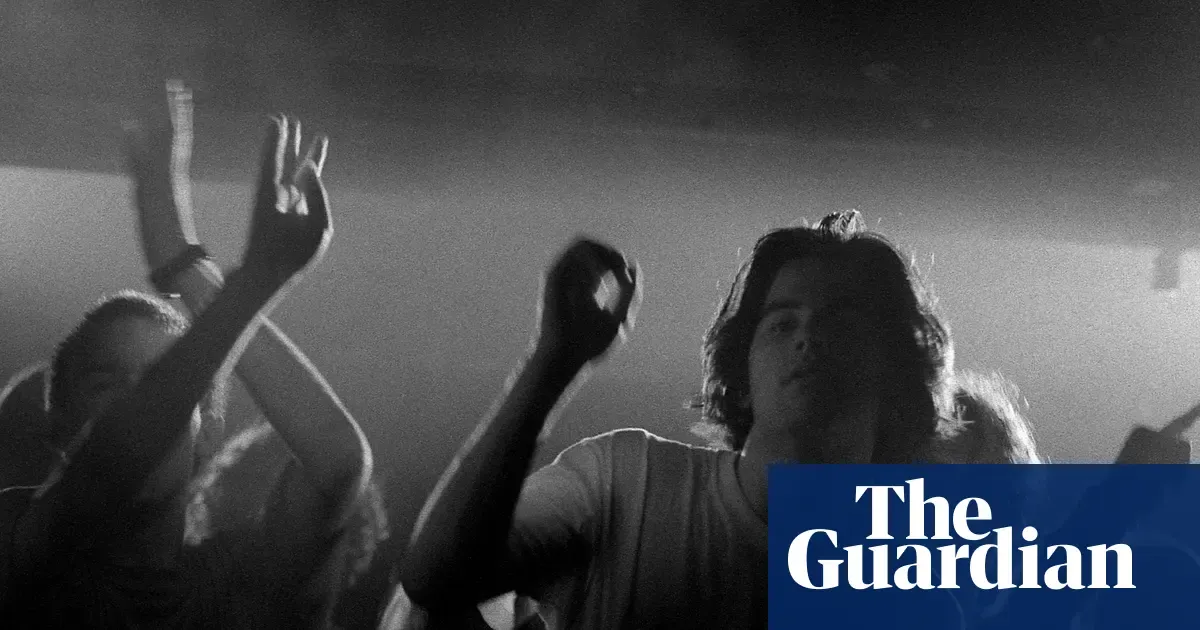
Towards the end of summer, a debate began raging in clubland, kick-started by an Instagram post from the esteemed DJ Jane Fitz. Ahead of the Houghton festival, where she is a regular fixture, she posted a request asking people to stop chatting so much during DJ sets. “What I wrote was super respectful,” she tells me. “A bit of talking is obviously OK. But why would you stand completely still, where the sound is super loud, just to ask your mate about a new boyfriend or what they had for lunch? It’s called a dancefloor for a reason.”Jane Fitz at Rural in 2025. Photograph: ToshimuraFitz’s plea exploded. It chimed with many, while others were up in arms, claiming that paying an entry fee allowed them to do whatever they wanted. “People were accusing me of being the fun police,” she says. “I’m not trying to stop your fun, mate. I’m trying to give you a better night out.”“I think the dancefloor is dead,” Charli xcx sang on her tongue-in-cheek comeback single Rock Music this spring. Was she right?
0 comments
No comments yet. Be the first to share your thoughts!