Open-World Crime Game Samson Did Better On Console But Not Enough To Save Its Developer From Shutting Down
This story deserves to be shared
Send it to someone who'd care, or post it on your networks.
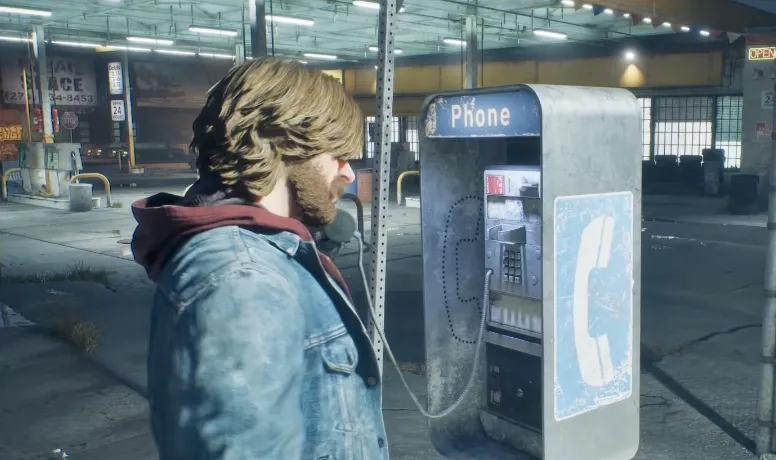
Liquid Swords, the Swedish developer behind the crime game Samson , is closing up shop. Founder Christofer Sundberg confirmed this after bankruptcy reports emerged, stating directly, "Liquid Swords is closing." Samson launched on PC in April, but the console edition for PS5 and Xbox Series X|S that released in September "did far better," Sundberg said. However, he admitted that, "It wasn't enough to save the studio." At the same time, Samson might have a future after Liquid Swords closes up shop, the executive said. https://twitter.com/CHSundberg/status/2112186074734752089 "I’m proud of our team and what we built. We’re discussing continued support for Samson. We make mistakes, we learn, we rise, we move on. I never give up. More soon," he wrote. According to a report , all 27 employees at Liquid Swords are being let go as part of the bankruptcy process. Workers reported not getting paid for two months, but those salaries will be covered by local laws in Sweden. Liquid Swords described itself as a "zero-nonsense" game studio. Sundberg said, "Game development has become so full of distractions that affect quality and motivation." He said his ambition was to "change that" with Liquid
This article is an excerpt. To read the full content, visit the original source. GameSpot
Related articles
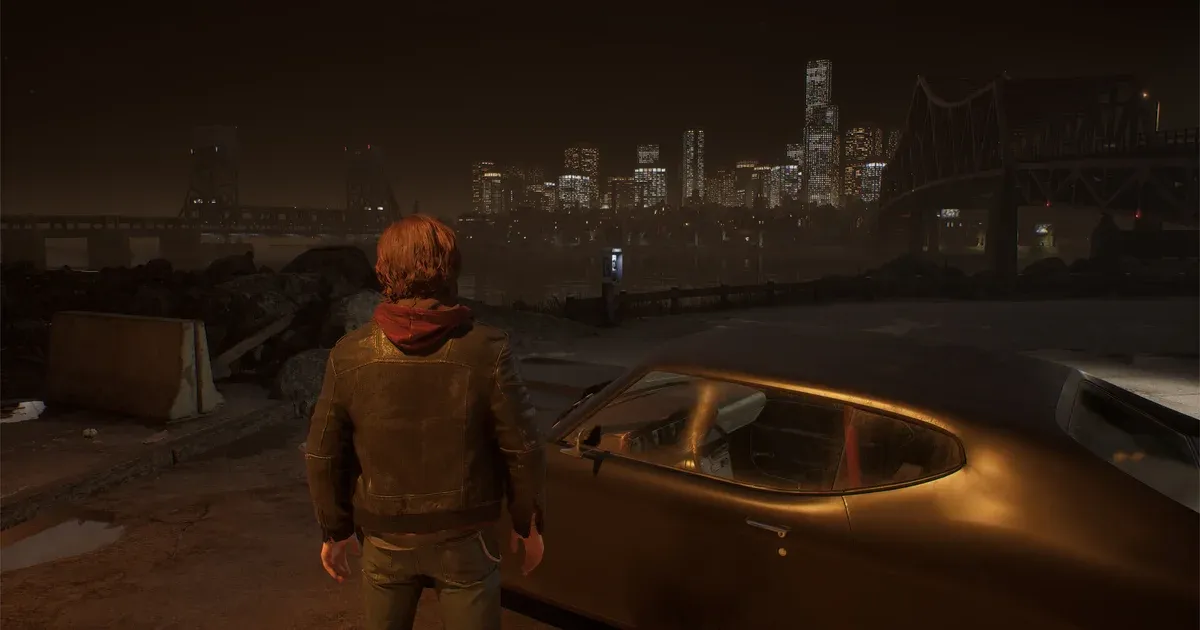
"I want room to make a wrong turn": Following Samson dev's bankruptcy, its founder is considering how AI might factor into new studio plans
Christofer Sundberg's already thinking about life beyond Liquid Swords Over the weekend, Swedish reports revealed that Samson studio Liquid Swords have gone bankrupt less than a year after releasing their debut crimebrawler. Founder and former Just Cause lead Christofer Sundberg subsequently confirmed that Liquid Swords are headed for closure. However, he was also quick to make clear that he won't be disappearing from game development, announcing plans to form a new studio that he's now offered a bit more insight on.
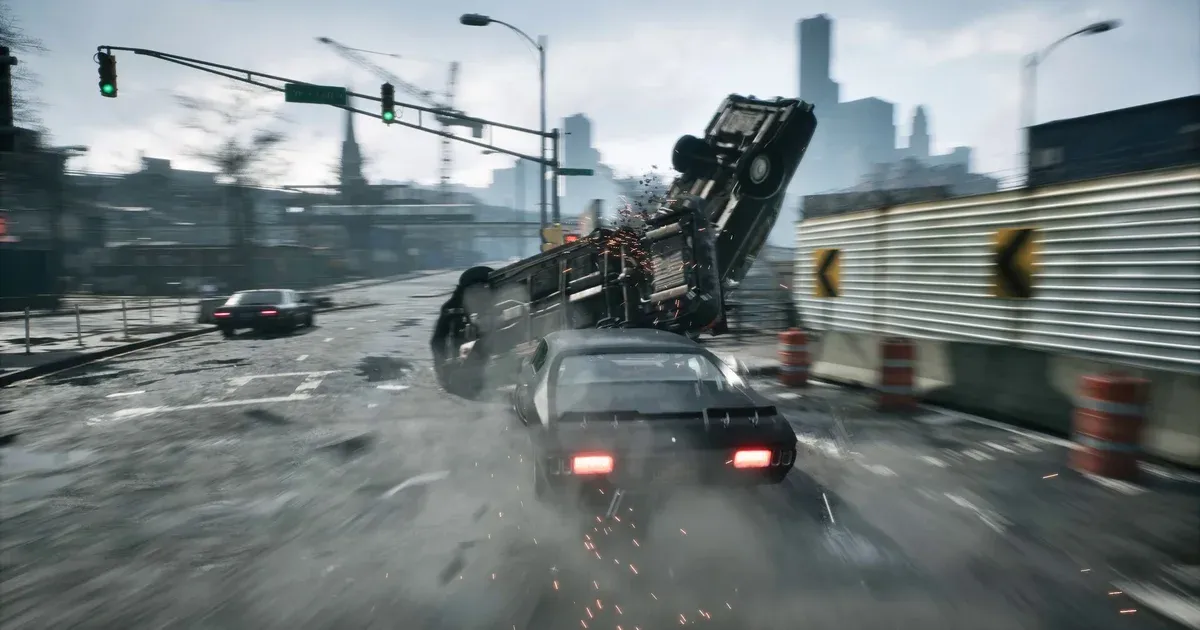
Samson dev Liquid Swords has reportedly gone bankrupt
"I've done everything I can to make this succeed. " UPDATE 19TH OCTOBER: Liquid Swords founder and CCO Christofer Sundberg has confirmed the studio's closure.
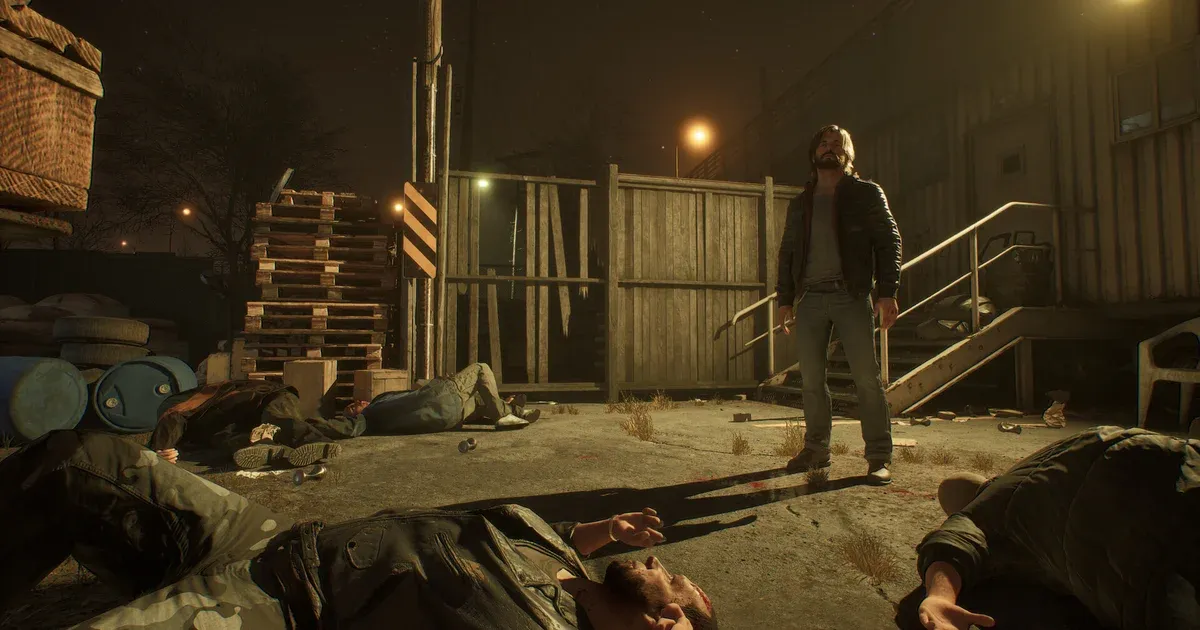
Oh dear, half a year after launching Samson, Swedish developer Liquid Swords have filed for bankruptcy
Update: studio co-founder confirms closure Update 19/10: Despite attempts to find the studio a buyer, co-founder Christofer Sundberg has announced that Liquid Swords is closing. "I'm proud of our team and what we built," he writes, adding that former staff are "discussing continued support" for Samson.
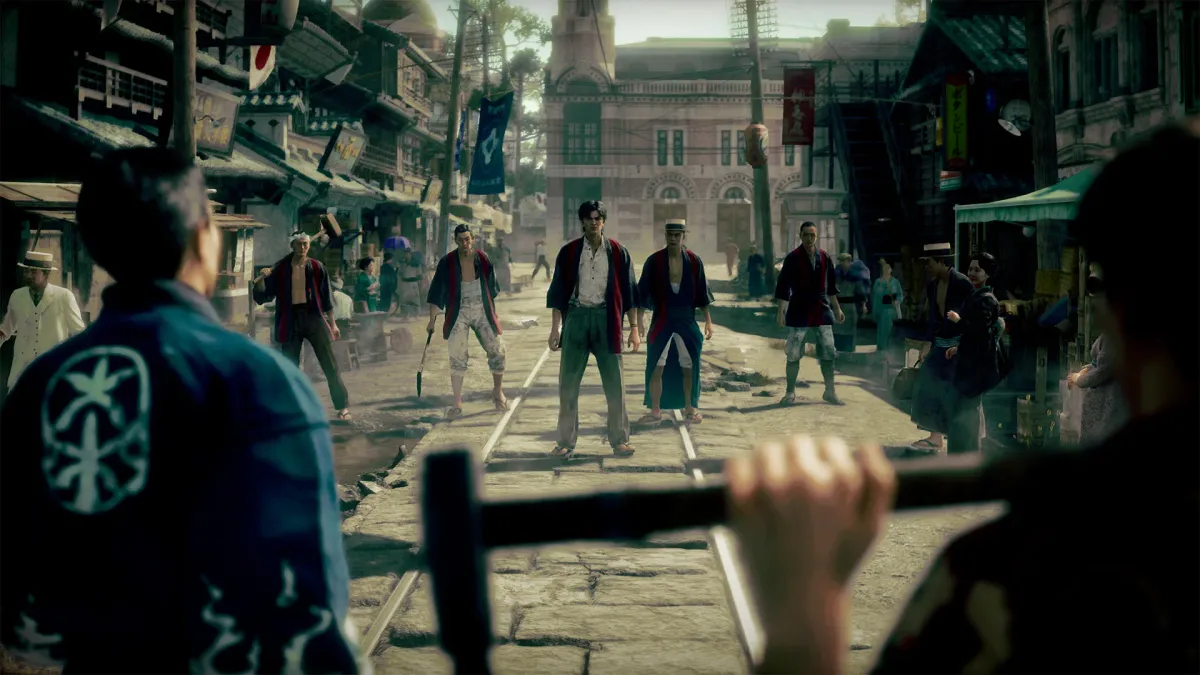
Stranger Than Heaven hands-on report: brutal combat and the glitz of show business intermix
Fists clashing, bones crunching—it’s combat at its most visceral. On the flip side, there is the glitz and glamour of show business, where you handle everything from song composition to live stage productions. Stranger Than Heaven, an all-new title from RGG Studio, the team behind the Like a Dragon series, delivers a remarkably diverse array of gameplay as it follows the 50-year journey of protagonist Makoto Daito. At a recent press preview event, we got hands-on time with select portions from four distinct chapters: the Prologue, Kokura in Fukuoka, Kure in Hiroshima, and Minami in Osaka.
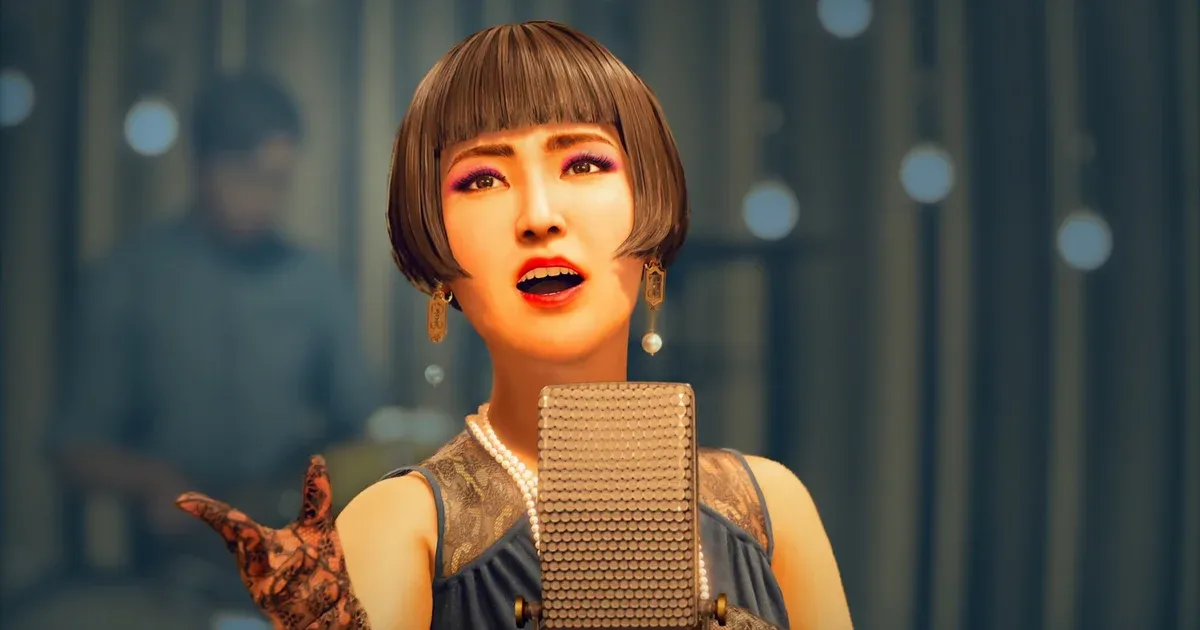
After a few hours with Yakuza studio's soulful Stranger Than Heaven, I'm smitten, but I suspect it'll be a divisive game
Who doesn't love a big swing, a bold new direction, especially when so many video game publishers seem increasingly determined to walk the safest route? While Stranger Than Heaven might look familiar at first glance - particularly if you're a fan of Like a Dragon developer RGG's other third-person action games - it differs where it counts. And to my mind, it's one of the most exciting games the studio has worked on in a while. Stranger Than Heaven tells the story of Makoto Daito, a man of half American and Japanese lineage, as he attempts to make a home for himself in Japan. It's a tale spanning numerous decades as the country evolves - decades you'll experience first-hand as the story unfolds - blending a strong narrative throughline with striking melee combat and touches of silliness too. Its Like a Dragon heritage is clear, but it also feels like so much more.
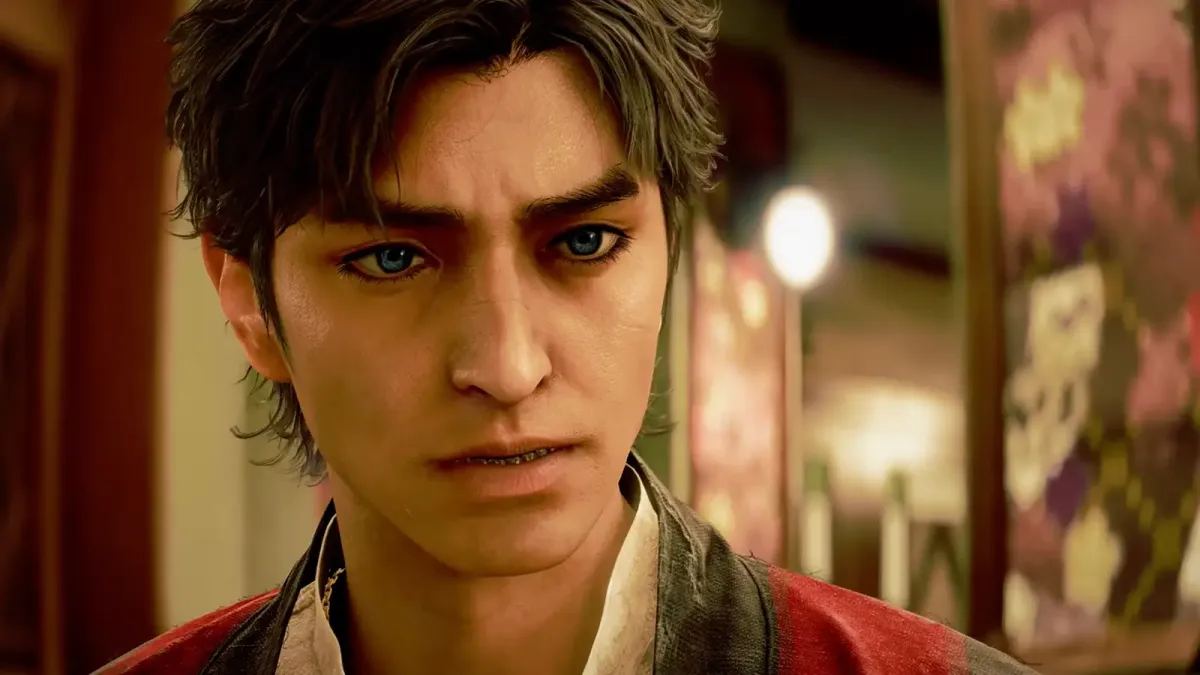
Stranger Than Heaven May Have Forgotten One Thing That Made Yakuza Great
Spanning five cities and half a century, Stranger Than Heaven is Yakuza-maker Ryu Ga Gotoku Studio’s most ambitious project yet. During a half-day preview event in New York earlier in October, I played five different segments of the game, in three of the game’s five locations. As a longtime Like a Dragon fan, I came away dazzled by its sumptuous environments and fascinated by protagonist Makoto. But I'm still on the fence about certain aspects of the combat and storytelling. I’m from the Bay Area, so I was especially excited to experience RGG’s riff on old-timey San Francisco in the prologue. Turns out, it’s not an explorable area, and the buildings and narrow alleyways had more of a generic East Coast feeling to me. Given how vividly this studio has captured real-world neighborhoods like Waikiki, Kabukicho, and Dotonbori in previous games, I was hoping for more, especially given the time period. (There was an extremely elaborate World’s Fair in San Francisco in 1915!) There’s certainly a lot of fog and it looks miserably cold at night, so at least that part is accurate.
0 comments
No comments yet. Be the first to share your thoughts!