One in two people facing cataract blindness need access to life-changing surgery - World Health Organization (WHO)
This story deserves to be shared
Send it to someone who'd care, or post it on your networks.
This article is an excerpt. To read the full content, visit the original source. World Health Organization (WHO)
Related articles
Labels for automated step recognition in cataract surgery for videos in the Cataract-1K dataset - Nature
ORCID: orcid.org/0009-0004-7198-86071, Nisarg A. Shah2 na1, Mingze Xia2 na1, Mike Peven2 na1, Nanthini Narayanan3, Rishabh Nanawati2, Nuren Zhaksylyk2 na1, Ibrahim Abboud1 na1, Ayesha Javaid1 na1, Vishal M. Patel2,4, S. Swaroop Vedula3 & … Shameema Sikder1,3 We’re sharing this article early to provide faster access to peer-reviewed, accepted research. It is citable and carries a permanent DOI. This version is subject to further edits and will be replaced automatically by the final Version of Record. All legal disclaimers apply.
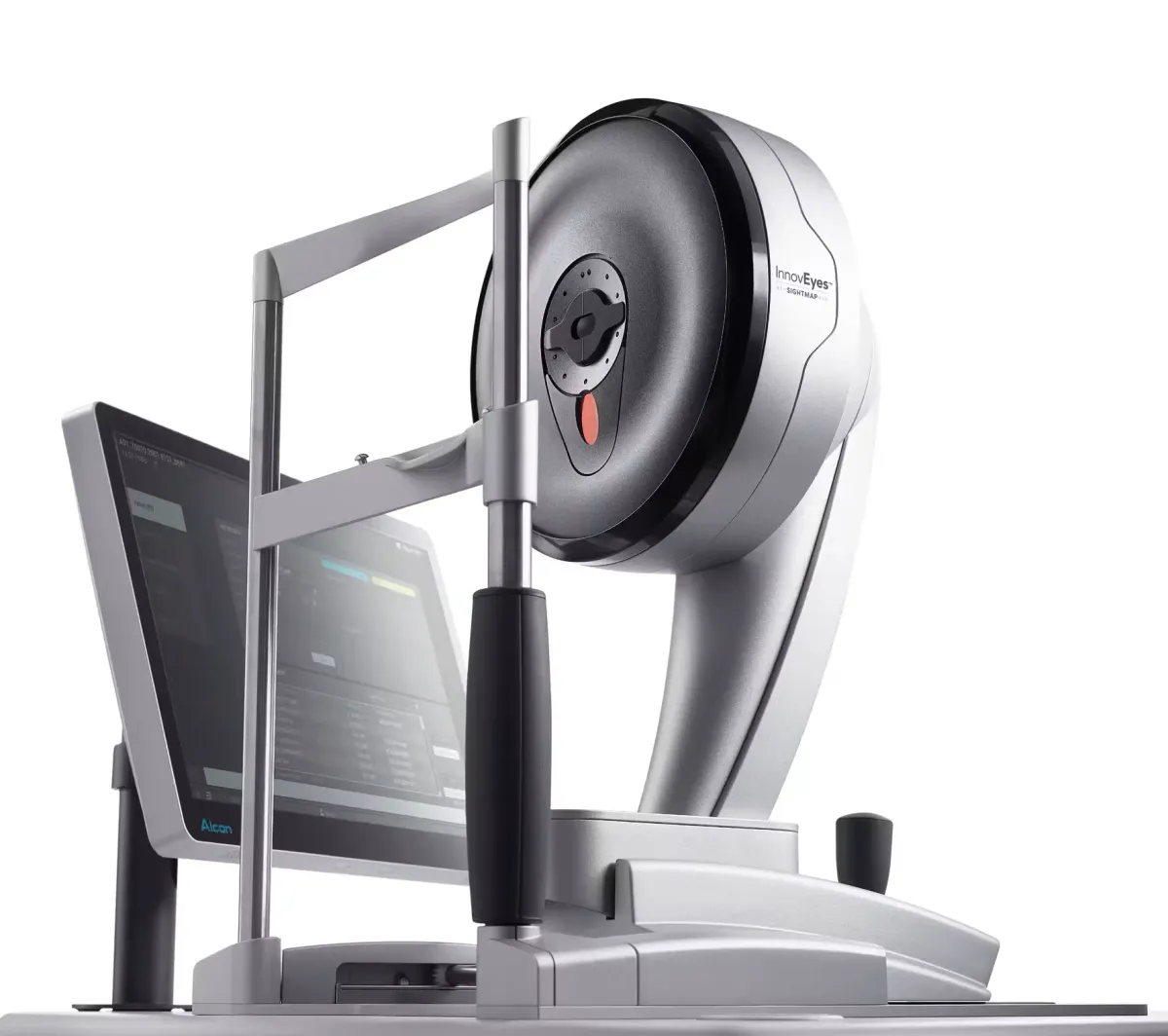
Raytracing-Guided LASIK Improves Visual Outcomes in Patients Dissatisfied after Cataract Surgery - Eyewire+
Raytracing-guided LASIK reduced higher-order aberrations approximately 70% in 55 pseudophakic eyes Visual acuity, residual astigmatism, and mesopic contrast sensitivity improved at 3 months.
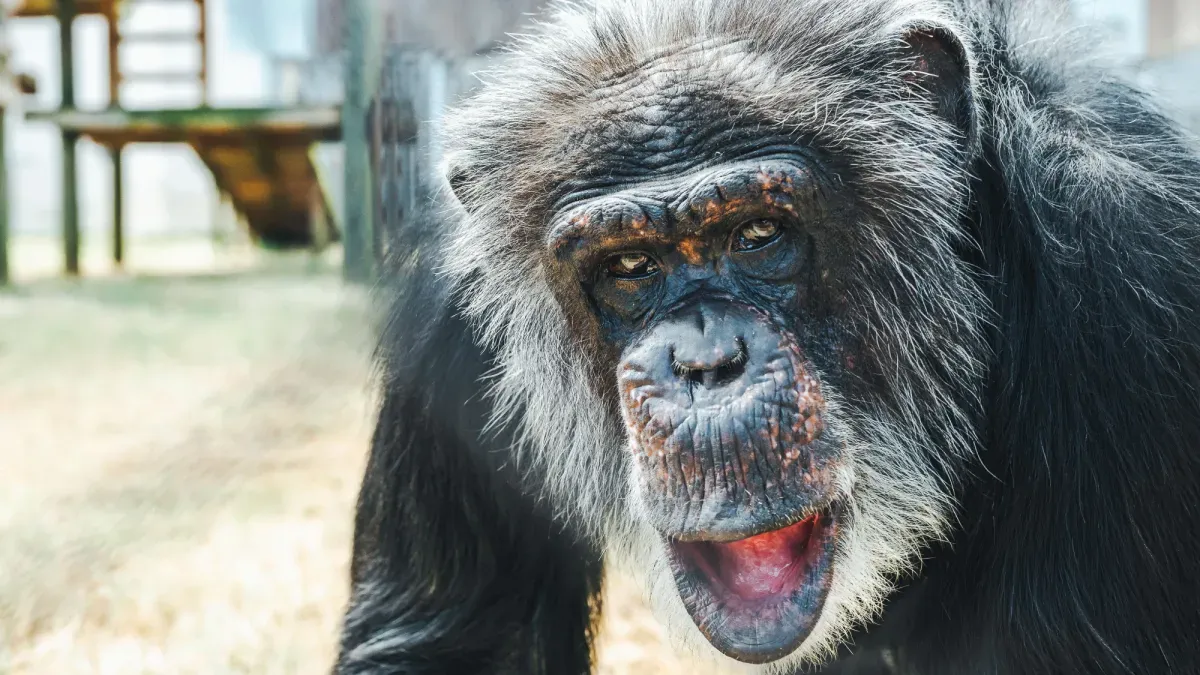
Blind chimp in Louisiana regains sight after cataract surgery - Popular Science
Pierre is a 54-year-old chimpanzee with a whole new outlook on life. Fifty-four-year-old Pierre was completely blind before undergoing a cataract surgery that restored his sight. With this surgery comes a greater ability to move around his surroundings, participate in fun activities, climb more confidently, and control his dynamics with other chimps (Pan troglodytes). Oh forgot to mention, Pierre is a chimpanzee. He’s a resident at Chimp Haven, a chimpanzee sanctuary in Louisiana (and the largest in the world) where most of the chimps have retired from biomedical research.
0 comments
No comments yet. Be the first to share your thoughts!