New Moon Discovered Orbiting Uranus Using NASA’s Webb Telescope - NASA Science (.gov)
This story deserves to be shared
Send it to someone who'd care, or post it on your networks.
This article is an excerpt. To read the full content, visit the original source. NASA Science (.gov)
Related articles
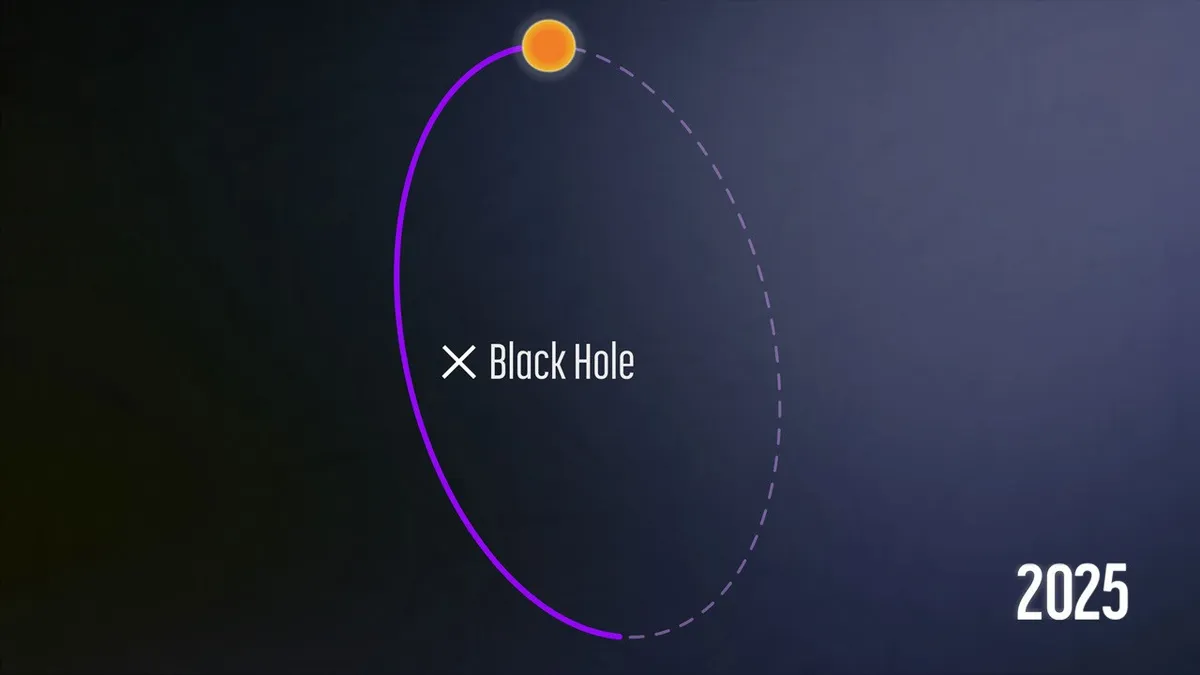
Star Orbiting Black Hole Animation - NASA Science (.gov)
1 min readTo view this video please enable JavaScript, and consider upgrading to a web browser that supports HTML5 videoThe precise data collected by NASA’s Hubble and James Webb space telescopes enabled a team of astronomers to chart the visible star’s orbital path over a 20 year-plus period. Researchers recorded this segment of the star’s orbit during its closest approach to its stellar-mass black hole companion, oMEGACat BH-2. Based on the timespan covered by the Hubble-Webb dataset, the team calculated the remainder of the visible star’s orbital path and found that it orbits oMEGACat BH-2 once every 94 years. This makes it the longest-period black hole binary ever known and gives a clue to the pair’s origin. The duo probably formed dynamically, meaning the visible star and its stellar-mass black hole companion found each other in the crowded globular star cluster Omega Centauri.
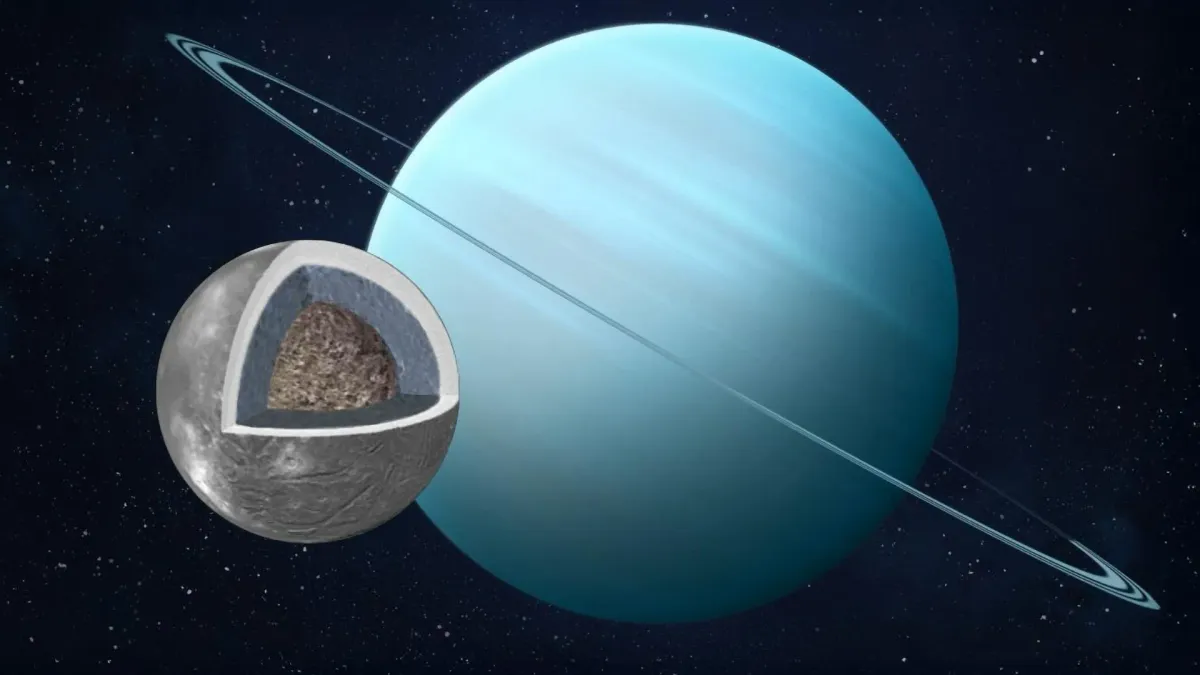
“We just need to go back” – Uranus’ moon Ariel may have hidden a 100-mile-deep ocean - Science Daily
Evidence is building that Uranus' moon Ariel may once have contained a vast ocean beneath its frozen exterior. Research published in Icarus explores how that hidden ocean may have changed over time and suggests it could once have been more than 100 miles (170 kilometers) deep. By comparison, the Pacific Ocean has an average depth of about 2.5 miles (4 kilometers). "Ariel is pretty unique in terms of icy moons," said paper co-author Alex Patthoff, a Planetary Science Institute senior scientist.
0 comments
No comments yet. Be the first to share your thoughts!