New gene-editing approach shows promise in treating Huntington's disease in mice - Medical Xpress
This story deserves to be shared
Send it to someone who'd care, or post it on your networks.
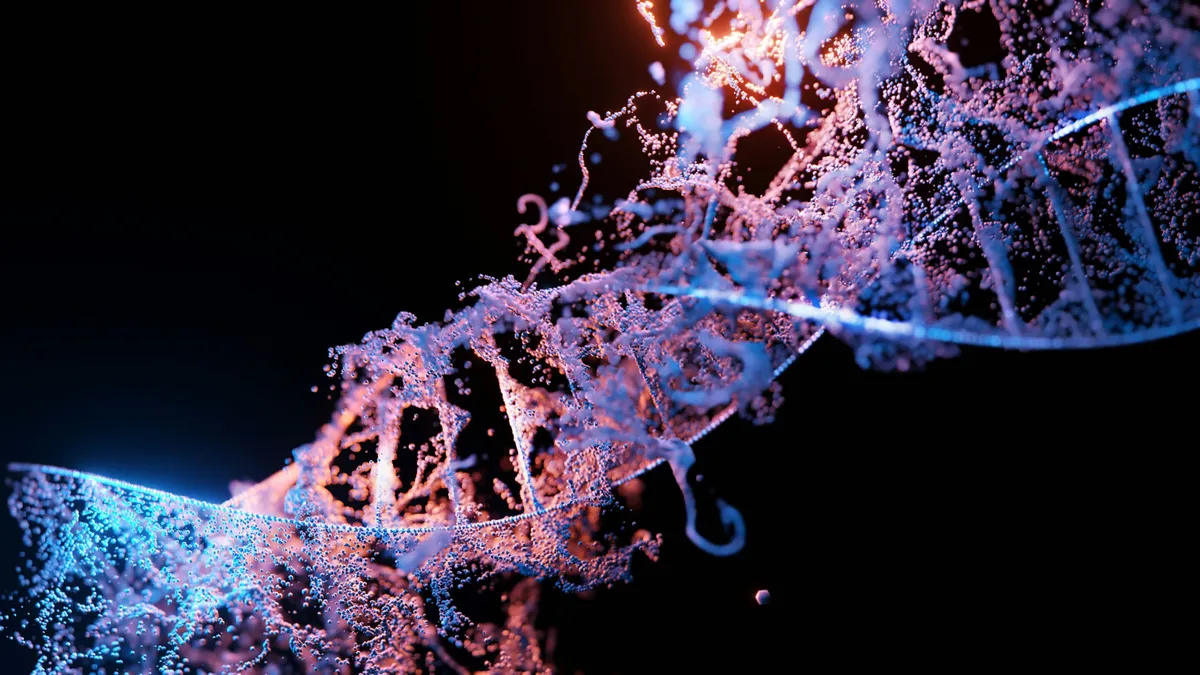
Huntington's disease is caused by repetitive "stutters" in DNA—specifically repeated CAG sequences—that expand abnormally over time, leading to toxic protein accumulation that contributes to the progression of the disease. There is currently no cure for this rare and fatal genetic disease.
Professor Vincent Dion of the UK Dementia Research Institute at Cardiff University, who led the research team, said, "The length of these repeated sequences accounts for most of the variation in how severe the disease is, so targeting and reducing these sequences is a potentially viable therapeutic avenue.
This article is an excerpt. To read the full content, visit the original source. Medical Xpress
Related articles
Gene-Editing Approach Shows Promise Against Huntington's in Mice - Mirage News
A team of researchers led by Cardiff University has developed a promising new gene-editing approach that could transform the treatment of Huntington's disease in the future. Huntington's disease is caused by repetitive "stutters" in DNA - specifically repeated CAG sequences - that expand abnormally over time, leading to toxic protein accumulation that contribute to the progression of the disease. There is currently no cure for this rare and fatal genetic disease. Professor Vincent Dion of the UK Dementia Research Institute at Cardiff University, who led the research team, said: "The length of these repeated sequences accounts for most of the variation in how severe the disease is, so targeting and reducing these sequences is a potentially viable therapeutic avenue. "Traditional gene-editing techniques often cut both strands of DNA to disable mutated genes, but this can trigger unpredictable rearrangements, off-target mutations, or damage to healthy copies of the gene. Some researchers are also trying to apply these traditional gene-editing techniques to treating Huntington's disease in pre-clinical work, but they have limitations. " We wanted to finesse this technique to explore
LOI Modifier Linked to Neuron Loss in Huntington’s Disease | Rare Diseases Today - DocWireNews
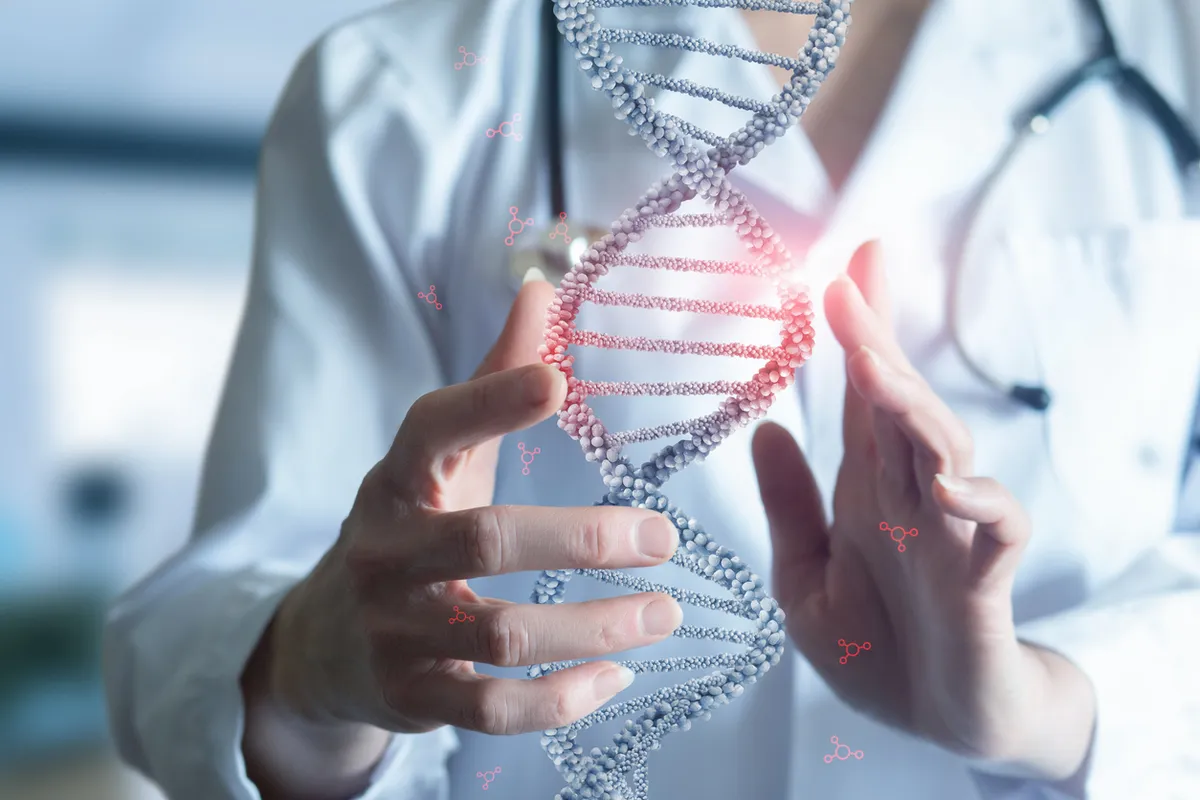
Loss-of-interruption variants in the CAG repeat of the huntingtin (HTT) gene can accelerate Huntington’s disease (HD) onset and progression. Medium spiny neurons (MSNs), which are gradually lost in HD, undergo selective somatic CAG expansion, but it is still unclear how this expansion relates to MSN pathology. In a study published in Neuron, Chris Kay, PhD, of the University of British Columbia in Vancouver, and colleagues assessed somatic HTT CAG expansion in peripheral blood, postmortem brain tissue, and isolated MSNs from patients with HD, both with and without the CAG-CCG loss-of-interruption (LOI) modifier variant. Results showed that, while MSNs with large (111–150 CAG) and very large (>150 CAG) somatic expansions were rare early in HD, these larger expansions accumulated as disease duration increased. The CAG-CCG LOI modifier was linked with about a five-fold increase in the proportion of MSNs with large and very large expansions. Patients with the modifier also had fewer caudate MSNs, suggesting the modifier accelerates MSN loss alongside increased somatic CAG expansion. The modifier was also linked with reduced small somatic expansions in the blood.
New clinical decision support tool aims to improve chronic kidney disease care - News-Medical
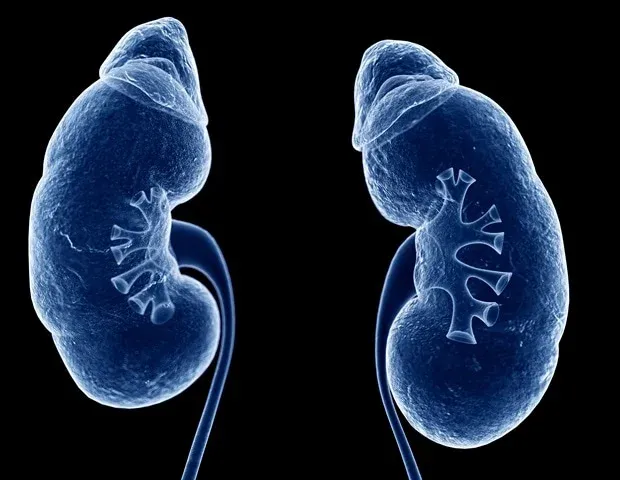
Investigators have developed and validated a clinical decision support tool to improve the diagnosis and treatment of chronic kidney disease (CKD) at the point of care. The research will be presented at ASN Kidney Week 2026 October 22–25. Called Treat CKD, the tool draws on electronic health records data to identify CKD, classify risk by Kidney Disease: Improving Global Outcomes criteria, calculate kidney failure risk using the Kidney Failure Risk Equation, estimate cardiovascular risk using American Heart Association PREVENT equations, and provide recommendations for albuminuria testing, blood pressure management, cholesterol-lowering therapy, cardio-kidney therapies, and nephrology referral.
Counseling Kidney Donors on Future Pregnancy, With Amit Garg, MD, PhD - HCPLive
Future pregnancy plans don’t preclude living kidney donation, but candidates should be counseled on gestational hypertension risk. Future pregnancy plans need not rule out living kidney donation, but candidates should be counseled on hypertensive risk. New data on pregnancy after living kidney donation give transplant teams clearer numbers to share with donor candidates who may want children in the future.¹In a matched cohort study from 3 Canadian provinces, presented at American Society of Nephrology (ASN) Kidney Week 2026 by Amit X. Garg, MD, PhD, and published simultaneously in JAMA, most donor pregnancies were uncomplicated, with a modest increase in hypertensive disorders of pregnancy.¹ Will Donating a Kidney Affect Future Pregnancies? In 2024, more than 40,000 living kidney donations were reported across 88 countries.¹ For donors who may become pregnant later, Garg said the central question is whether donation will affect those pregnancies.

Interpreting Kidney Donor Pregnancy Signals, With Amit Garg, MD, PhD - HCPLive
News|Videos|October 22, 2026 Chance, biology, and shared genetics may explain more small for gestational age births after living kidney donation. Small for gestational age births and shared donor-recipient genetics complicate the picture of pregnancy after living kidney donation. Investigators behind a new Canadian study of pregnancy after living kidney donation are weighing why donors had more small for gestational age (SGA) births than matched nondonors, and whether shared genetics with recipients could play a role.¹The matched cohort study, presented at American Society of Nephrology (ASN) Kidney Week 2026 by Amit X. Garg, MD, PhD, and published simultaneously in JAMA, spanned 3 provinces and also found a modest increase in hypertensive disorders of pregnancy among donors.¹ How Did the Study Compare Donors and Nondonors? Using linked administrative health databases from Ontario, British Columbia, and Alberta, investigators compared 385 pregnancies in 252 living kidney donors with 1,540 matched pregnancies in 1,535 nondonors.¹ To reflect donors’ healthier baseline profile, nondonors with any of 35 conditions that would preclude donation were excluded.
0 comments
No comments yet. Be the first to share your thoughts!