NASA to Buy a New Space Station. Price Tag: $34.1 Billion - Yahoo Finance
This story deserves to be shared
Send it to someone who'd care, or post it on your networks.
This article is an excerpt. To read the full content, visit the original source. Yahoo Finance
Related articles
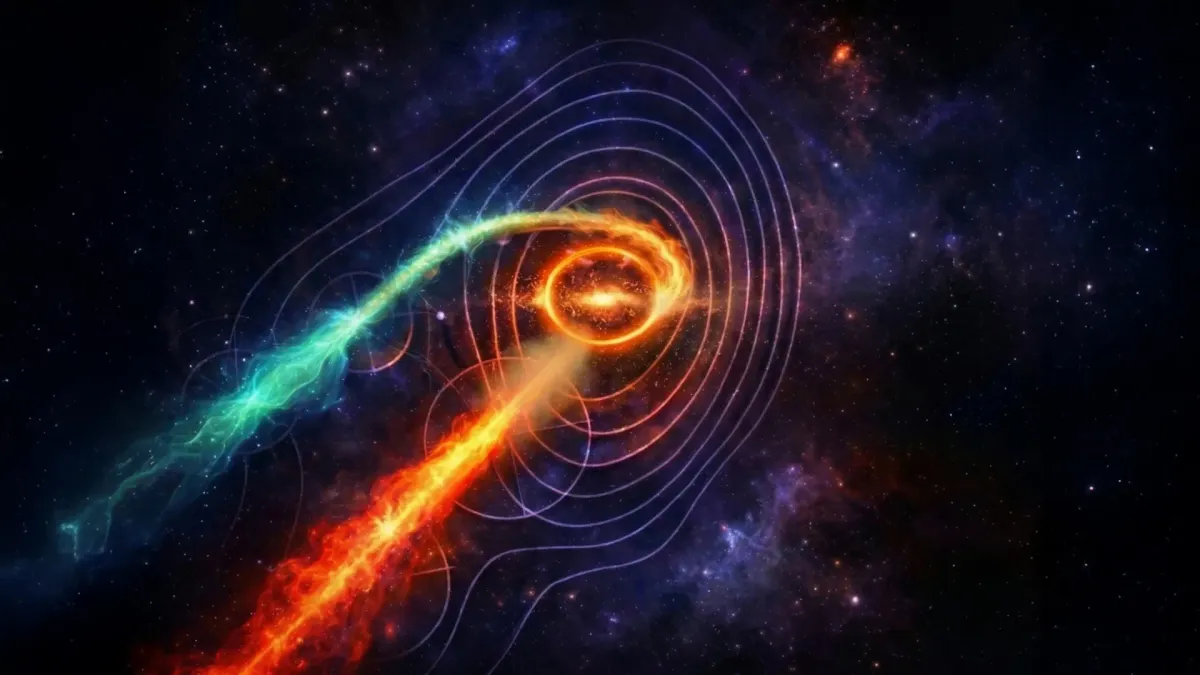
Two monster black holes could collide in just 100 years - Science Daily
Supermassive black holes are thought to exist at the centers of nearly all large galaxies. These enormous objects can weigh millions or even billions of times as much as the Sun, but scientists still do not fully understand how they grow to such extraordinary sizes. Pulling in (accreting) gas from their surroundings is one way they gain mass, although this process alone may be too slow to explain the largest examples. Merging with other massive black holes could provide the missing explanation. Galaxy collisions are common throughout the universe, making it likely that their central black holes also eventually come together. As two galaxies merge, their black holes are expected to move closer, begin orbiting one another, and gradually spiral inward until they combine into a single object.
NASA satellite can monitor most of world’s irrigation canals, study finds - Technology Org
Irrigation canals form a sort of circulatory system for global agriculture. Across the world, millions of kilometers of
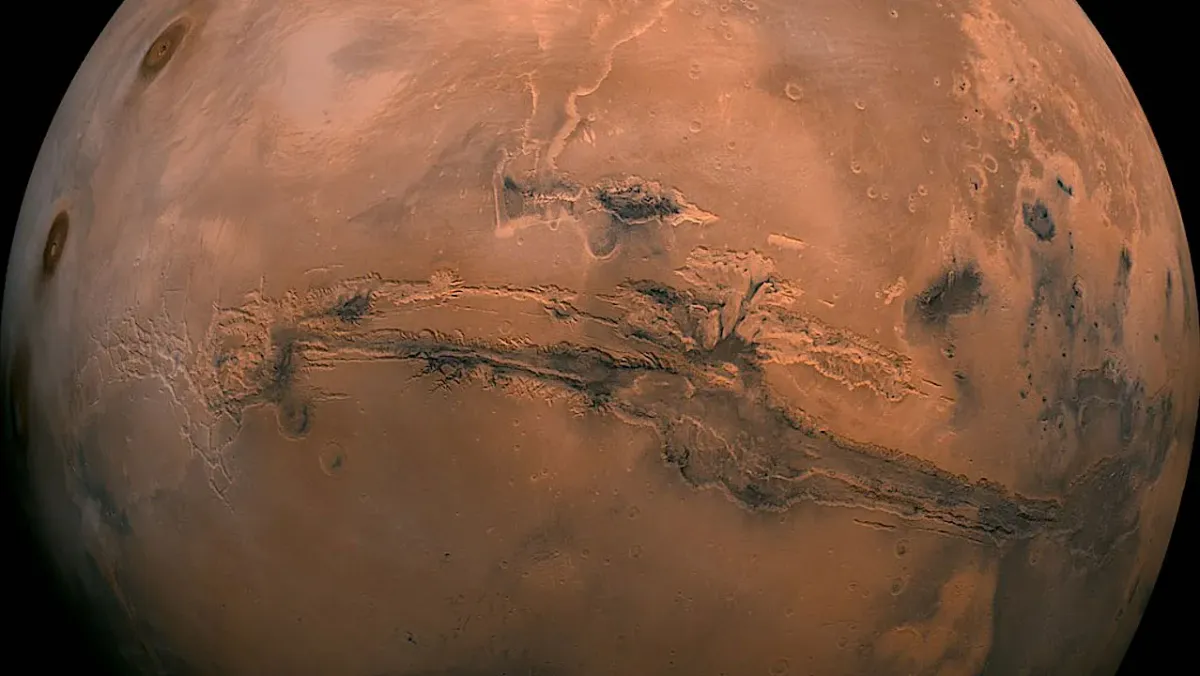
Astronomers discover a giant volcano on Mars that may hide the remnants of an ice glacier - The Brighter Side of News
Orbital observations suggest that a deeply eroded region near Mars’ equator contains the remains of a giant volcanic complex. Landforms and sulfate deposits point to past interactions between volcanic material and ice, but surviving buried glacier ice remains unconfirmed. Follow-up research and a proposed helicopter mission highlight the region’s scientific appeal without establishing present volcanic activity or a usable water reserve. A maze of fractured plateaus and canyons near Mars’ equator may preserve the remains of an enormous volcano. Within that landscape, scientists have also identified clues that glacier ice could survive beneath volcanic debris. Together, the observations make eastern Noctis Labyrinthus a compelling target for investigating the planet’s changing environment. The proposal concerns terrain already photographed by generations of spacecraft. Its significance lies in recognizing a possible geological structure within that familiar landscape, rather than discovering an unseen mountain. The volcano’s history and the present condition of any buried ice remain open questions.
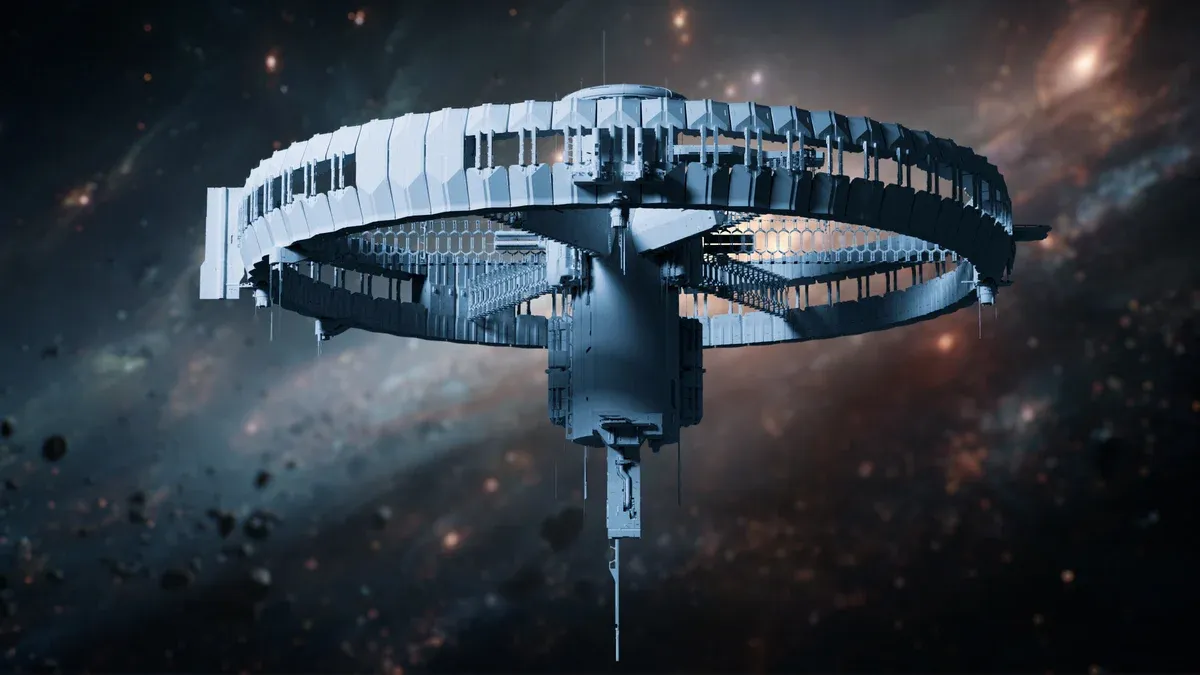
NASA to Buy a New Space Station. Price Tag: $34.1 Billion - The Motley Fool
By now, you've heard the news: The International Space Station, which began construction in 1998 and was originally only supposed to last for 15 years, is finally getting ready to retire. Sometime after 2030, Elon Musk's Space Exploration Technologies will launch a dedicated mission to "deorbit" ISS, pushing the station into a fiery death as it burns in Earth's atmosphere before drowning in the ocean's depths -- and NASA will pay SpaceX $850 million for the privilege. Well, at least four separate teams have floated plans to build a new space station (or space stations), which will be privately owned but leased to NASA (and others) for research missions. Private space companies Axiom Space, Blue Origin-led Orbital Reef, a consortium collectively known as Starlab, and Vast are all part of this effort. It's not 100% clear which of these teams will win, but we should get a clue soon.
Study explores airborne DNA to help solve burglaries - Xinhua
CANBERRA, Oct. 18 (Xinhua) -- Forensic scientists are exploring environmental DNA (eDNA), including airborne traces left by intruders in residential burglaries, as a new tool to help solve criminal cases lacking biological evidence. The study, led by Oslo University Hospital in Norway with collaborators at Flinders University in Australia, evaluated the possibility of finding viable evidence from 391 eDNA samples collected from air, dust and surfaces during simulated 15-minute residential burglaries, according to a statement released recently by Flinders University. The research found evidence of human intruder eDNA from air samples collected under controlled conditions, although recovery varied depending on factors including air temperatures, humidity, dust and existing household DNA. Researchers said the brief nature of burglaries, offenders' efforts to avoid detection and the difficulty of identifying where DNA traces were deposited may result in limited or absent biological evidence.
0 comments
No comments yet. Be the first to share your thoughts!