Mystery Skeleton in Roman Sarcophagus Beneath Westminster Abbey May Be a Medieval Abbot, Study Says
This story deserves to be shared
Send it to someone who'd care, or post it on your networks.
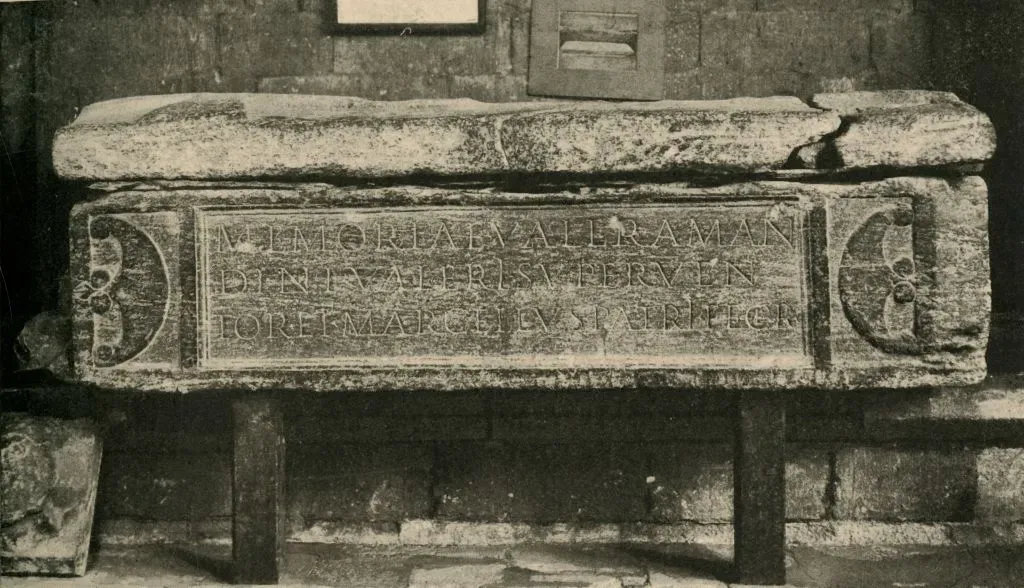
For two centuries, Westminster Abbey has harbored a mystery: Whose skeleton was discovered within a Roman sarcophagus unearthed beneath its foundations? Two Anglo-Saxon abbots are in the running, according to a new archaeology study.
The limestone sarcophagus was discovered in 1820 and officially excavated in 1869 from what is now a grassy strip along the north side of the abbey’s nave. In the Middle Ages, it was the yard of the Great Sacristy, built during the reign of Henry III. How, then, did a fourth-century Roman sarcophagus end up beneath the yard? Deepening the mystery, no Roman artifacts were found in successive investigations of the site, even though the sarcophagus bears a Latin inscription to one Valerius Amandinus.
This article is an excerpt. To read the full content, visit the original source. ARTnews
Related articles
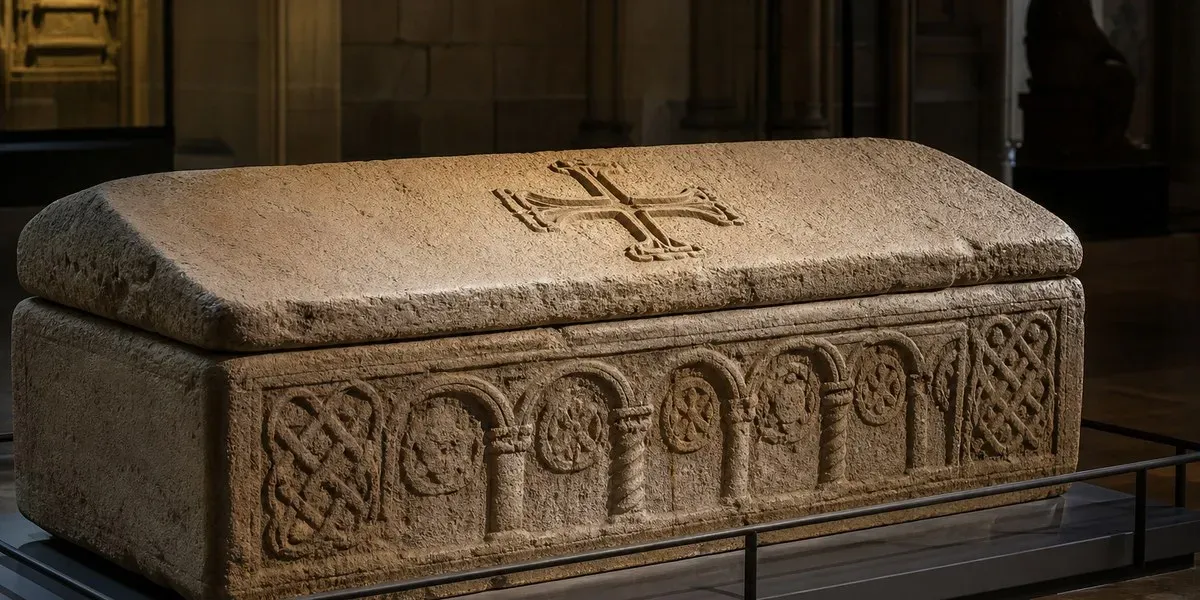
Ælfwig may be buried in a Westminster Abbey sarcophagus — Live Science - UA.NEWS
Archaeologists suggest that one of two abbots was buried in a Roman sarcophagus at Westminster Abbey in England. Possible candidates include Ælfwig, who headed the abbey from 993 to 1020. Live Science reports. Roman sarcophagus with a medieval crossThe stone sarcophagus was found by the abbey’s chief mason in 1869. A fourth-century Latin funerary inscription dedicated to Valerius Amandinus has survived on its side. The text states that Valerius Superventor and Marcellus made the sarcophagus for their father. A large 11th-century Anglo-Saxon cross is carved on the sarcophagus lid. This indicated that the Roman sarcophagus was used for a new burial several centuries later. Until 2016, it was believed that no human remains had survived inside, but a complete skeleton was discovered when the sarcophagus was opened for conservation. Dating and possible candidatesIn a 2016 report, bioarchaeologist James Langthorne determined that the remains belonged to a middle-aged man of average height. The skeleton had been disturbed: there was a hole in the skull, and the bones of the arms and legs had become mixed up. The man also showed signs of osteoarthritis, two healed rib injuries and gout.
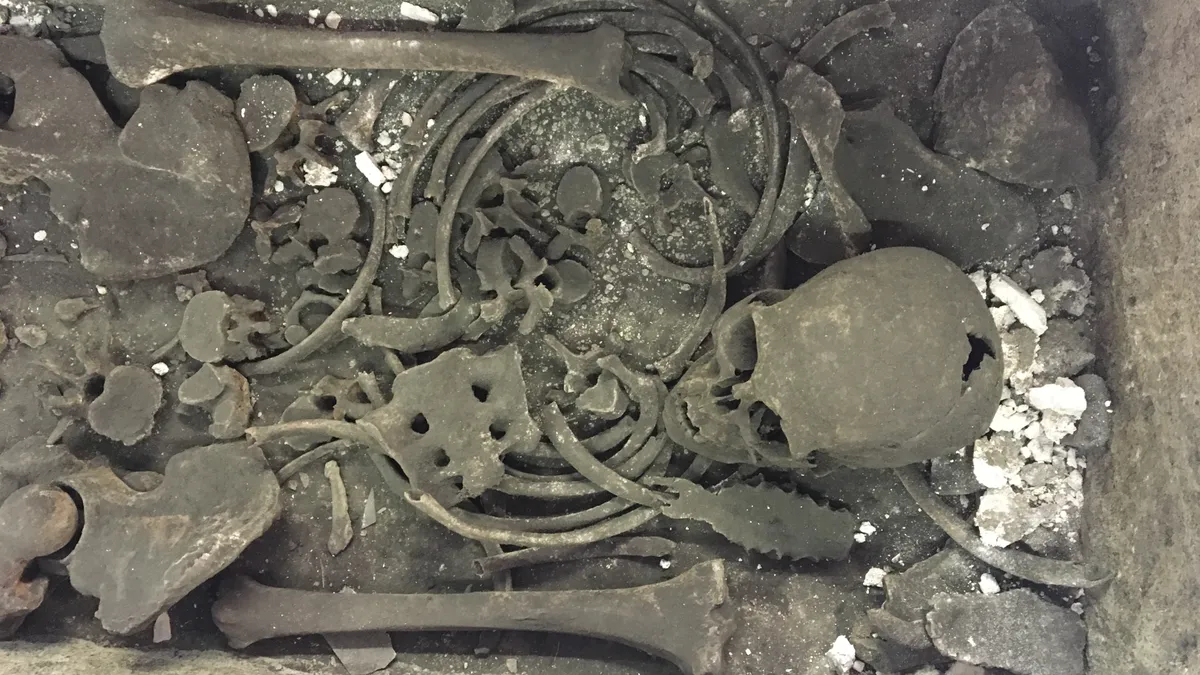
Case of mysterious medieval skeleton buried in Roman-era sarcophagus at Westminster Abbey finally solved - Live Science
A sarcophagus in Westminster Abbey with Roman and Anglo-Saxon decorations baffled archaeologists, but now a 150-year-old mystery has finally been solved.
Westminster City Council unveils specialist arts library in the West End - Westminster City Council
Studio Museum Announces New Artists-in-Residence
Plus, this year's Prix Duchamp winners, a trove of Kiki Smith prints heads to NYPL, and more.
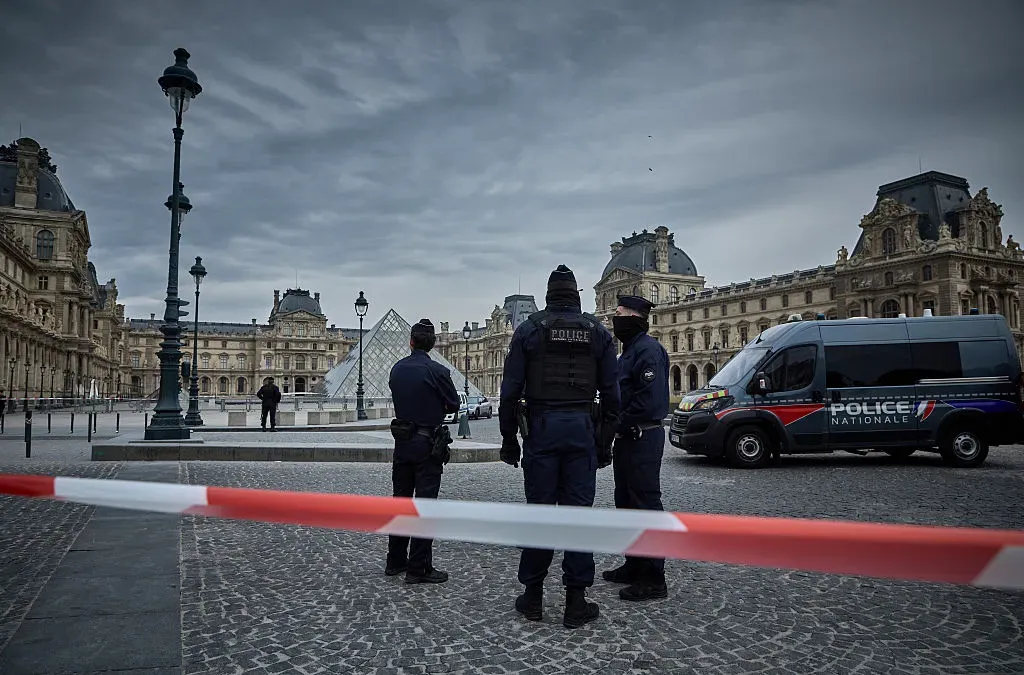
Louvre Heist Suspect Denied Release As Investigators Unravel Tangled Testimonies
An alleged member of the four-person team that broke into the Louvre last October, stealing crown jewels worth roughly $100 million, has been denied release, Le Figaro reports. The suspect, Rachid H., 40, has been detained since November 2025, and will remain in pre-trial detention, the Paris Court of Appeal ruled Wednesday. On the morning of Sunday, October 19, 2025, the gang used a truck-mounted motorized ladder to break into the Louvre’s Apollo Gallery through a second-floor window. Once inside, they smashed two display cases and grabbed eight pieces of jewelry. (A crown once owned by Empress Eugénie was dropped in their haste.) As alarms sounded, they fled and escaped on two motorized scooters. The entire heist unfolded in roughly seven minutes.
0 comments
No comments yet. Be the first to share your thoughts!