#METOO Artist stripped of arts award following sexual assault conviction - Focus Taiwan
This story deserves to be shared
Send it to someone who'd care, or post it on your networks.
This article is an excerpt. To read the full content, visit the original source. Focus Taiwan
Related articles
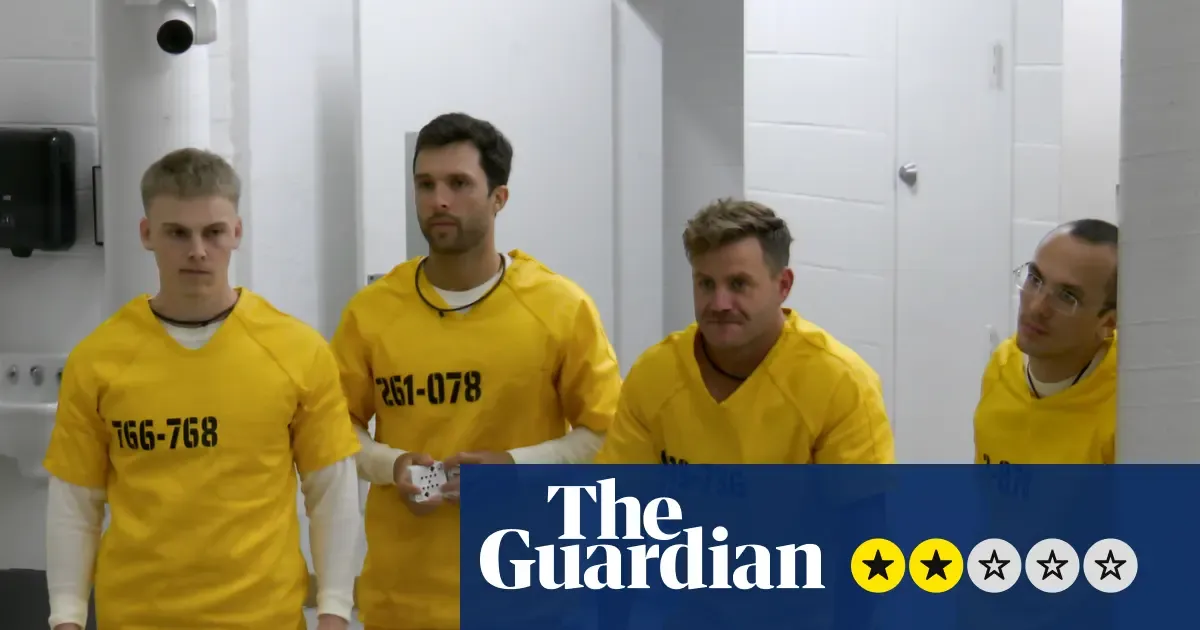
The New Stanford Prison Experiment review – surely no one believes this insulting TV show is real?
Television has rerun the Stanford prison experiment before, most notably in 2002 when the BBC aired The Experiment, which advertised itself as a more rigorous version of the stunt where volunteers role-play as prison guards and prisoners. The creator of the original 1971 experiment, Philip Zimbardo, would probably have criticised the new versions to preserve his own status, but the main point he made was valid. These people all know they’re on TV, he said. They’re playing to the cameras. Whether the participants in a behavioural study forget they’re part of a study is an eternal debate point. One of the strengths of the other notorious American people-are-awful research project, the Milgram experiment, was that it made the artifice part of the process, telling the volunteers that they’d spoil the science if they didn’t keep giving strangers electric shocks: “The experiment requires that you continue.” Without that, the stooges may never act naturally; if they know the experiment is also a TV show, they definitely won’t.
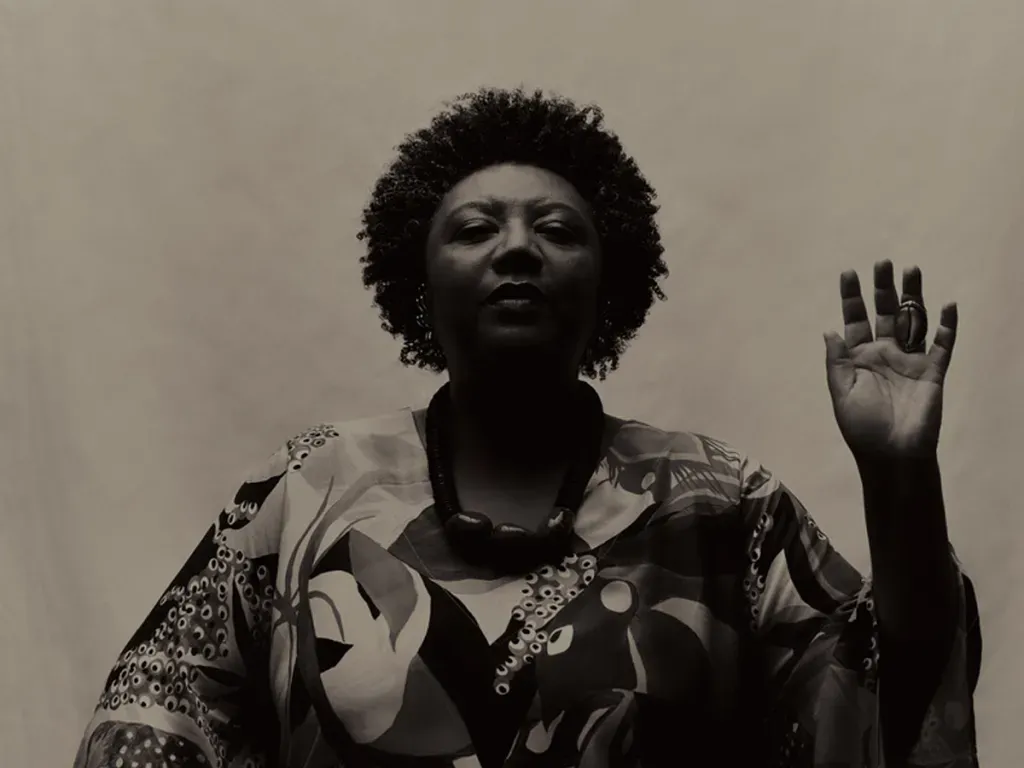
Rosana Paulino’s Pantheon of Black Plant Goddesses Arrives in Paris
The growing visibility of Rosana Paulino’s work reaches a new chapter with the opening this week of her first solo exhibition in Paris, at Mendes Wood DM’s outpost in the French capital. Titled “Bloom in the Sunlight, Dream in the Moonlight,” the exhibition introduces new plant goddesses into the Afro-botanical pantheon Paulino has been building since 2019 as part of her ongoing series “Senhora das Plantas” (Lady of the Plants), which elevates Black women to the status of goddesses in communion with nature, without implying a romanticized view. The 16 paintings—five on paper and 12 on canvas—take on renewed vitality on a larger scale and via a deeper exploration of color and increasingly ingenious bodily poses.
Francis Bacon and Willem de Kooning Meet Again
Plus, a Patti Smith photo show, an massive Anselm Kiefer finds a home, and other art world matters. The post Francis Bacon and Willem de Kooning Meet Again appeared first on Artnet News .
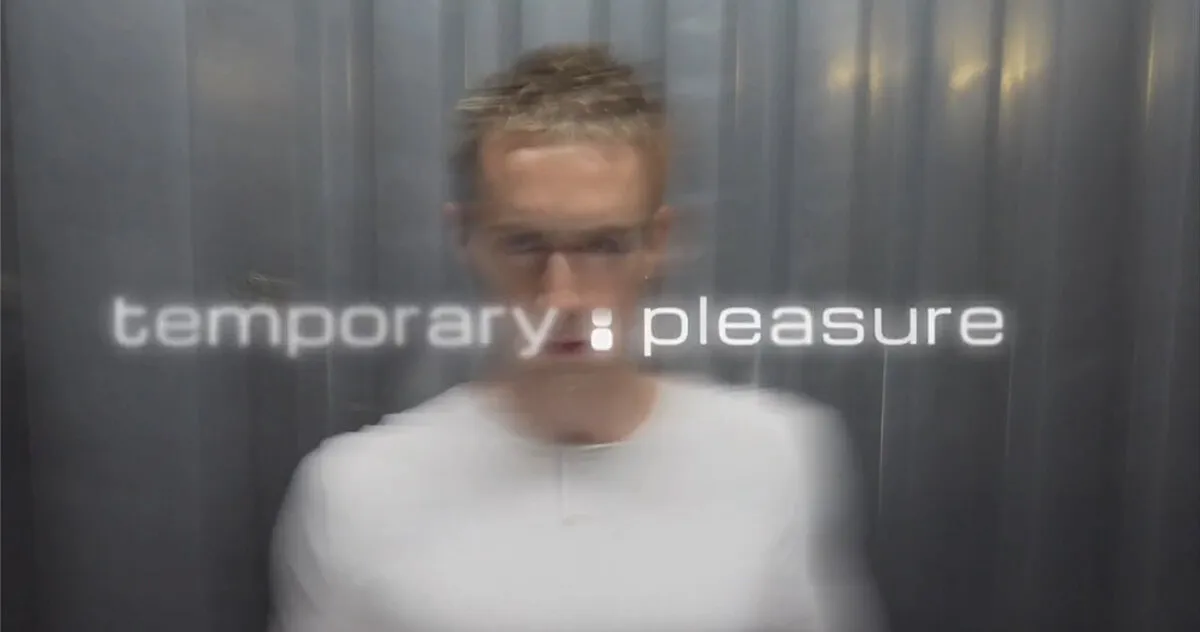
temporary pleasure: john leo gillen on growing up in a nightclub
TEMPORARY PLEASURE AND THE EPHEMERAL NIGHTCLUBFor most of its history, the nightclub was built on a simple premise: you had to be there. John Leo Gillen was born and raised in a nightclub in the west of Ireland, and came of age just as the nightclub began to disappear. Outside the family business he threw illegal raves, then learned architecture to build temporary club spaces. Temporary Pleasure, the practice he founded, combines the two — the architecture of a club with the emotion of a rave — into a single idea: the ephemeral nightclub. His projects include Choreomania at Horst Arts & Music, Joyride at the Barbican and The Superclub at WeCanDance, and he is the author of Temporary Pleasure: Nightclub Architecture, Design & Culture 1960–Today (Prestel, 2023). designboom speaks with Gillen about time as a design material, the crowd as the show, and why the moments that matter most can’t be captured.‘The nightclub once offered something radical: a moment suspended in time that could only be experienced by those who were lucky enough to be in the right place at the right time,’ Gillen tells designboom.
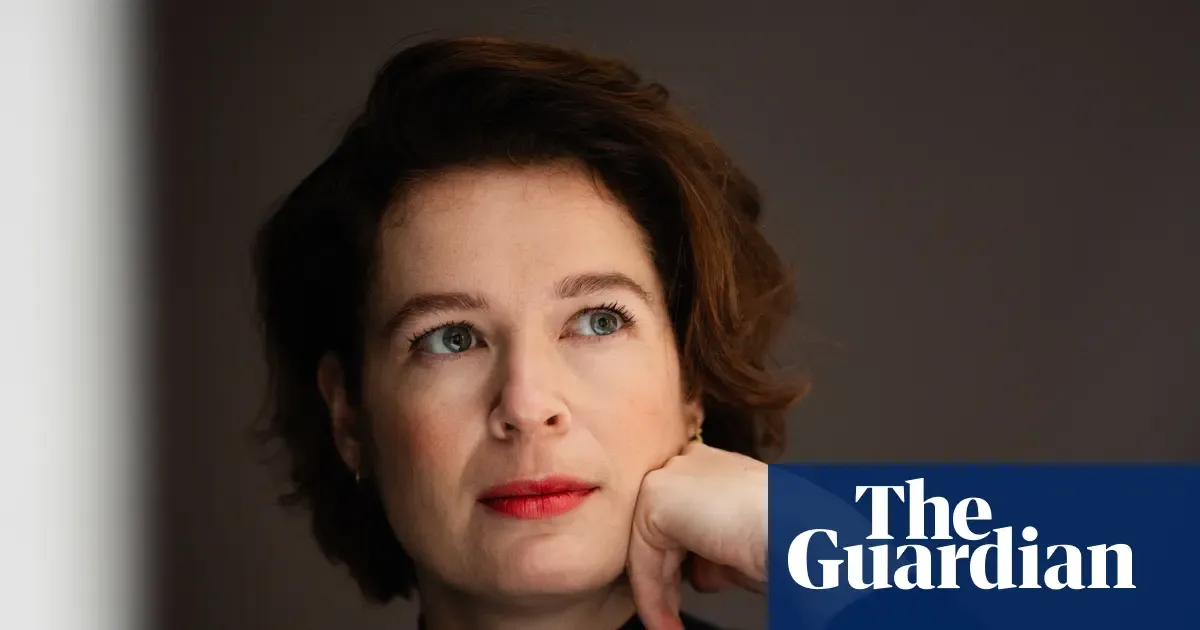
On Another Planet They Can Save Me by Lieke Marsman review – an astonishing memoir of terminal illness
There are no atheists in foxholes, goes the saying, and indeed social scientists and evolutionary biologists have argued that the experience of war or conflict drives religious belief; in 2019, Joseph Henrich and others surveyed almost 2,000 people in three post-conflict societies – Uganda, Sierra Leone and Tajikistan – and concluded that their experience of conflict had prompted them to participate in Christian and Muslim rituals and groups. Atheism, it seems, may be as fragile as faith. “No matter how attached you are to your own rational worldview, your rationality won’t survive long under the threat of imminent death,” writes the former Dutch poet laureate Lieke Marsman in her book On Another Planet They Can Save Me. Part scream, part song, it charts the gradual dissolution of her own rational assumptions, which govern everything from her views on God to extraterrestrial life. It is a brilliant, playful, layered and humane plea for openness and hope in the face of her own foxhole of intolerable suffering. Marsman was not a soldier, but she knew a thing or two about living with constant reminders of her own mortality.
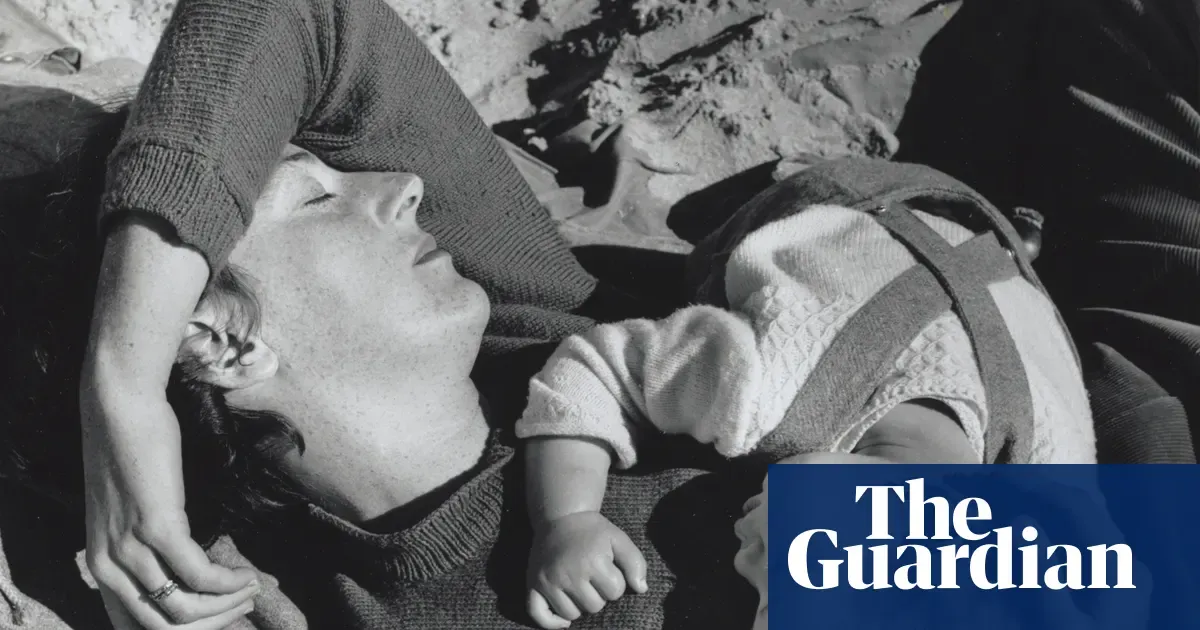
Light, camera … razor blades?! How photography became an art form – in pictures
A new exhibition – which the Guardian gave five stars – tells the story of the birth of art photography. Here are some of the most astounding images, along with tales of the strange techniques that made them In the mist … Ho Fan’s 1959 image Smoky World. Photograph: M+, Hong Kong, Estate of Ho FanWed 21 Oct 2026 07.00 BSTYevonde: Mrs Richard Hart-Davis as Ariel, 1935Yevonde (1893-1975)is perhaps best known for her vibrant, stylised society portraits. Working in her studio over the 1930s, Yevonde transformed her models into goddesses and mythical beings using elaborate props and costumes. In this image Edith Hart-Davis portrays the spirit Ariel from Shakespeare’s The Tempest. Light and Magic: The Birth of Art Photography runs at Tate Modern until 21 February 2027Photograph: National Portrait Gallery, LondonLong Chin-San: Riverside Spring 1942From the late 19th century, photographers embraced pictorialism, not as a style but as a shared ambition: to claim photography as an expressive art form equal to painting, printmaking and sculpture. These photographers experimented with subject matter, printing processes and exhibition formats to assert the creative agency of the photographer.
0 comments
No comments yet. Be the first to share your thoughts!