Making severe RSV uncommon: Experts map the prevention playbook - Contemporary Pediatrics
This story deserves to be shared
Send it to someone who'd care, or post it on your networks.

News|Articles|October 22, 2026 A Contemporary Pediatrics Peer Exchange panel reviews RSV risk, testing, maternal vaccination, and long-acting monoclonal antibodies, and where infants still slip through the cracks. Respiratory syncytial virus (RSV) has long been a fixture of the winter pediatric ward. With maternal vaccination and 2 long-acting monoclonal antibodies now available, a panel of pediatric infectious disease specialists says severe RSV in infants can become uncommon, if practices close the gaps in delivery. The discussion was moderated by Flor M. Munoz, MD, MSc, of Baylor College of Medicine in Houston, Texas. Panelists were C. Buddy Creech, MD, MPH, of Vanderbilt University Medical Center in Nashville, Tennessee; Eric Simões, MD, of the University of Colorado Anschutz in Aurora; and Tina Tan, MD, FAAP, FIDSA, FPIDS, of Northwestern University Feinberg School of Medicine in Chicago, Illinois, and editor-in-chief of Contemporary Pediatrics. Every infant is at riskRSV typically circulates in the US from October to April, but seasons start earlier and last longer in the Southeast, beginning as early as June in Florida, Tan said.
This article is an excerpt. To read the full content, visit the original source. Contemporary Pediatrics
Related articles

Making severe RSV uncommon: Experts map the prevention playbook - Contemporary Pediatrics
News|Articles|October 22, 2026 A Contemporary Pediatrics Peer Exchange panel reviews RSV risk, testing, maternal vaccination, and long-acting monoclonal antibodies, and where infants still slip through the cracks. Respiratory syncytial virus (RSV) has long been a fixture of the winter pediatric ward. With maternal vaccination and 2 long-acting monoclonal antibodies now available, a panel of pediatric infectious disease specialists says severe RSV in infants can become uncommon, if practices close the gaps in delivery. The discussion was moderated by Flor M. Munoz, MD, MSc, of Baylor College of Medicine in Houston, Texas. Panelists were C. Buddy Creech, MD, MPH, of Vanderbilt University Medical Center in Nashville, Tennessee; Eric Simões, MD, of the University of Colorado Anschutz in Aurora; and Tina Tan, MD, FAAP, FIDSA, FPIDS, of Northwestern University Feinberg School of Medicine in Chicago, Illinois, and editor-in-chief of Contemporary Pediatrics. Every infant is at riskRSV typically circulates in the US from October to April, but seasons start earlier and last longer in the Southeast, beginning as early as June in Florida, Tan said.
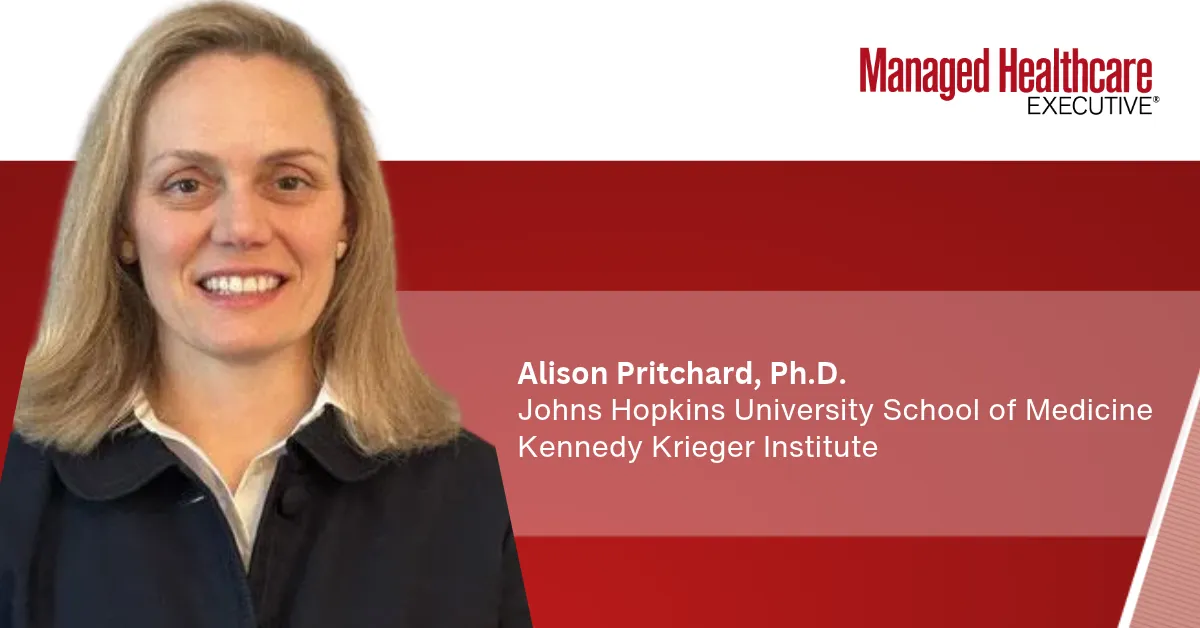
Alison Pritchard, Ph.D., on bedtime routines for kids with ADHD - Managed Healthcare Executive
Consistent bedtime routines, screen-free bedrooms and therapist support for night waking help children with ADHD sleep better, said Alison Pritchard, Ph. D. Structure is the first step toward better sleep for children with ADHD, according to Alison Pritchard, Ph. D., a child clinical psychologist and co-director of the Center for Neuropsychological and Psychological Assessment at Kennedy Krieger Institute in Baltimore. “I think number one is just having a schedule and sticking to it is really helpful,” she said. “As in many areas of life for kids with ADHD, having a bit more structure can be helpful.”For children who have trouble falling asleep, a bedtime routine done “the same way, at the same time, every night” can make a substantial difference in sleep onset, she said. She also recommends removing phones, TVs and video games from the bedroom because they are too tempting. “Most of us adults have a hard time getting off our phones when it’s time to go to bed at night,” Pritchard said. “So, kids can’t be expected to do that for themselves.”For children who wake at night and have difficulty falling back asleep, Pritchard suggests working with a counselor or therapist.

Experts alarmed by ‘less transparent’ CDC as US measles deaths rise - The Guardian
The US Centers for Disease Control and Prevention (CDC) added a third measles death to its dashboard on Wednesday, but the agency would not reveal whether the death occurred in Pennsylvania or another state – which is “notable” as the agency delays reporting other measles deaths, experts say. The CDC cited privacy laws in not sharing the name of the state, but experts say there are no privacy concerns in doing so – and this information is important for the public to have as the outbreak continues accelerating, growing by 8% in one week to 4,410 confirmed cases so far this year, nearly double last year’s count. “Due to privacy laws and legal restrictions, NCHS [the National Center for Health Statistics] cannot identify a state or provide additional details about the third individual,” a spokesperson with the US Department of Health and Human Services (HHS) told the Guardian in response to questions about where the death took place. The spokesperson did not respond to follow-up questions about which laws and restrictions prevented that information from being shared. “I don’t buy it,” said Dorit Reiss, a professor of law at UC Law San Francisco.

Saskatchewan expands breast cancer screening and diagnostic services - MooseJawToday.com
Saskatchewan has expanded breast cancer screening eligibility to women 40 and older and invested more than $15 million in breast health services since 2023-24.
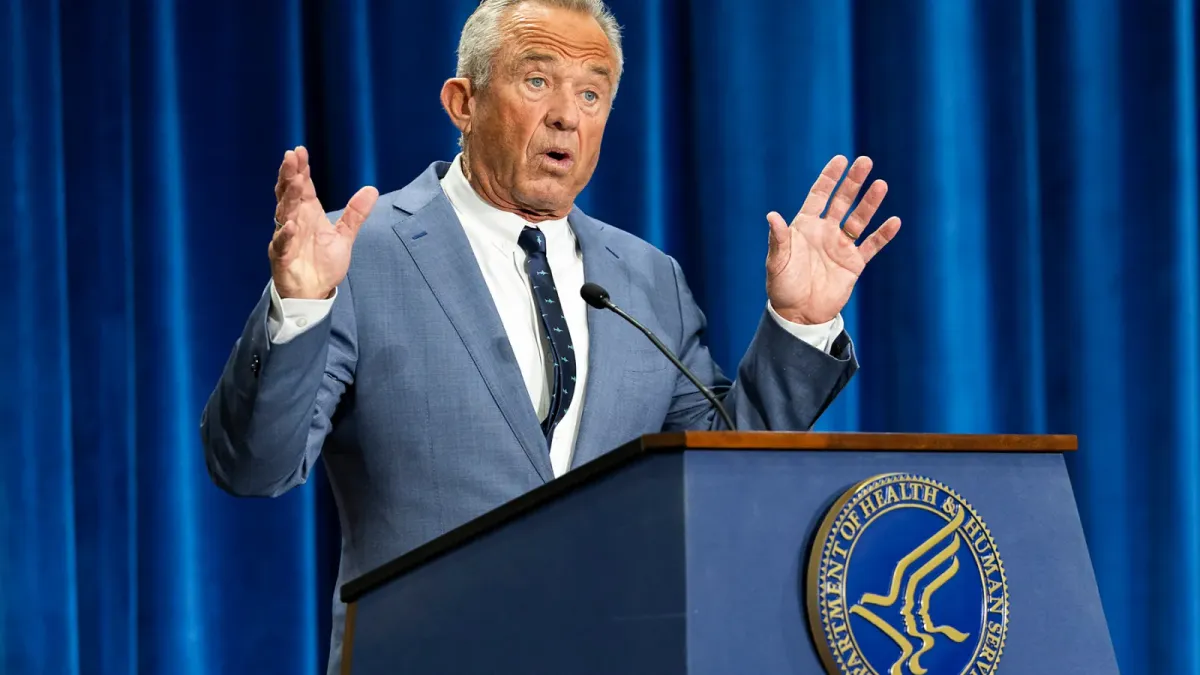
A Controversial Hepatitis B Vaccine Study Championed by RFK Jr. Is Axed After Widespread Backlash - Rolling Stone
After months of reporting by Rolling Stone, a trial declared ‘unethical’ by WHO will not move forward After a global outcry over ethics, a demand for answers from a U. S. congressional committee, resignations from a Danish ethics board, and sustained reporting from Rolling Stone and other news outlets, a hepatitis B vaccine clinical trial in Guinea-Bissau that was championed by Health Secretary Robert F. Kennedy Jr., and was to be funded by the Centers for Disease Control and Prevention, will “not proceed,” one of the Danish researchers announced Wednesday on LinkedIn.
0 comments
No comments yet. Be the first to share your thoughts!