Low-frequency earthquakes track the motion of a captured slab fragment - Science | AAAS
This story deserves to be shared
Send it to someone who'd care, or post it on your networks.
This article is an excerpt. To read the full content, visit the original source. Science | AAAS
Related articles
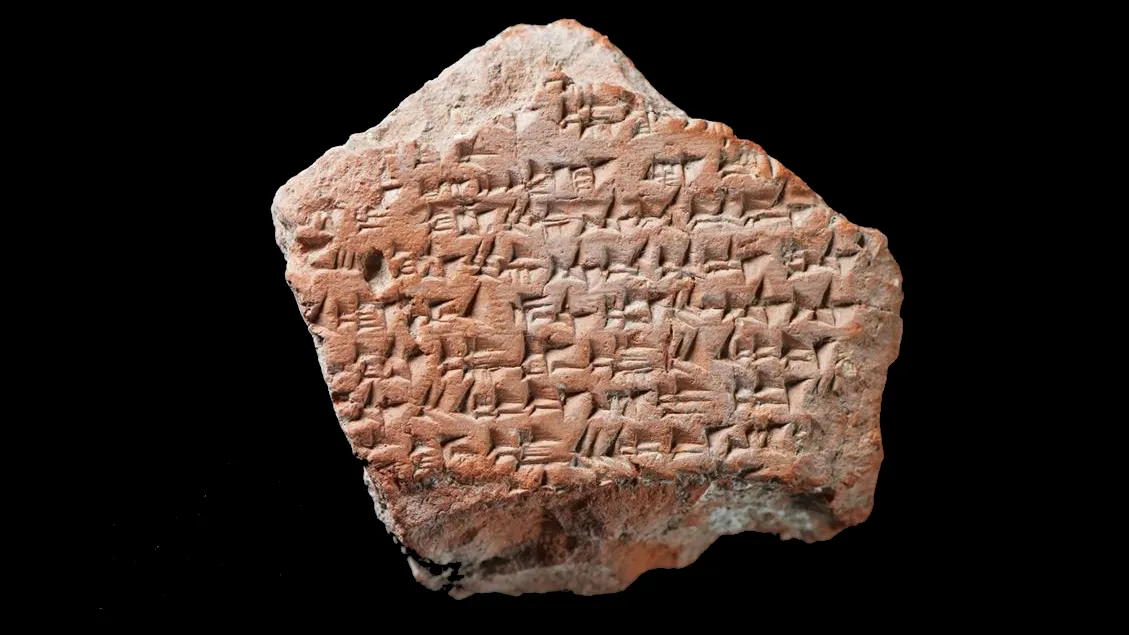
'We have found traces of peace, thousands of years old': Fragment of world's oldest known peace treaty found in Turkey - Live Science
Archaeologists excavating in the ancient Hittite capital of Hattusha have uncovered a fragment of the world's oldest peace treaty, signed around 1269 B.C.
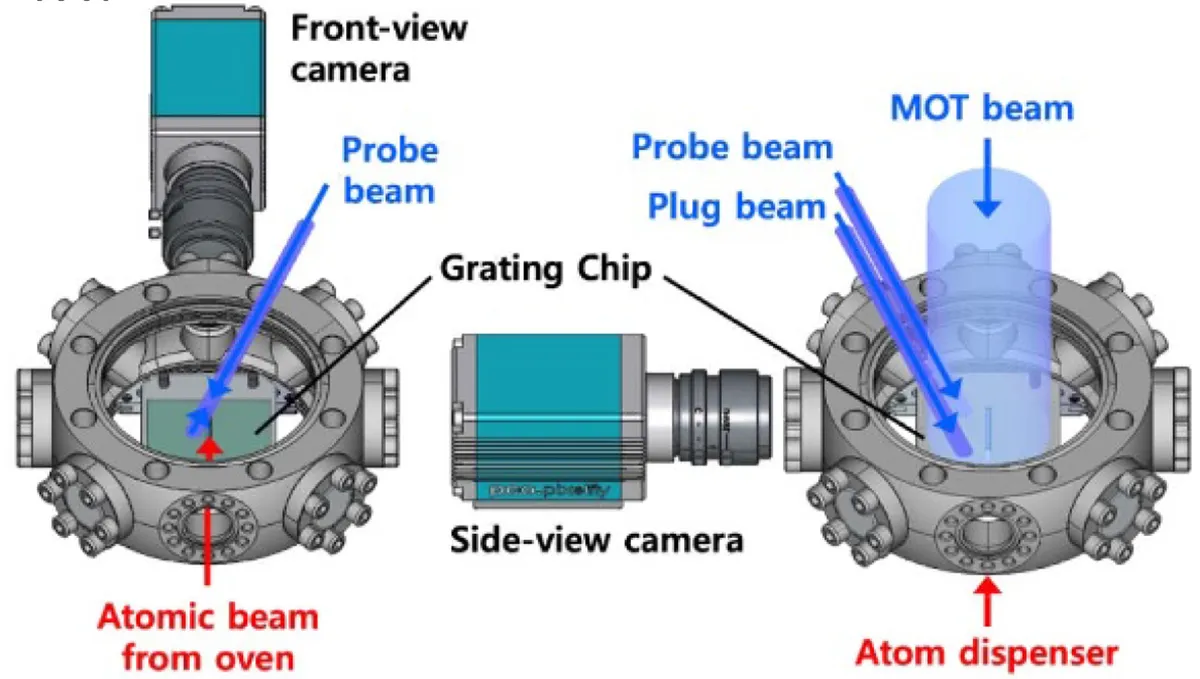
After 88 Years, KRISS Redetermines a Key Strontium Frequency with 50 Times Better Precision | Newswise - Newswise
Newswise — The Korea Research Institute of Standards and Science (KRISS, President Dr. Ho Seong Lee) has re-measured a key transition frequency of the strontium (Sr) atom for the first time in 88 years since 1938, using a photonic grating chip, and has established a new absolute frequency value with a measurement uncertainty reduced by more than 50 times. By securing an accurate reference value needed for next-generation quantum technologies ahead of time, this achievement is expected to greatly contribute to the precise control and miniaturization of quantum devices, including atomic clocks and neutral-atom quantum computers. Strontium is an atom widely used in precision quantum technologies such as optical lattice clocks and quantum sensors. To use strontium in these technologies, fast-moving atoms must be slowed down and trapped with precisely tuned lasers, and for this, it is essential to know exactly the resonant frequency of the laser light for the atomic transition.
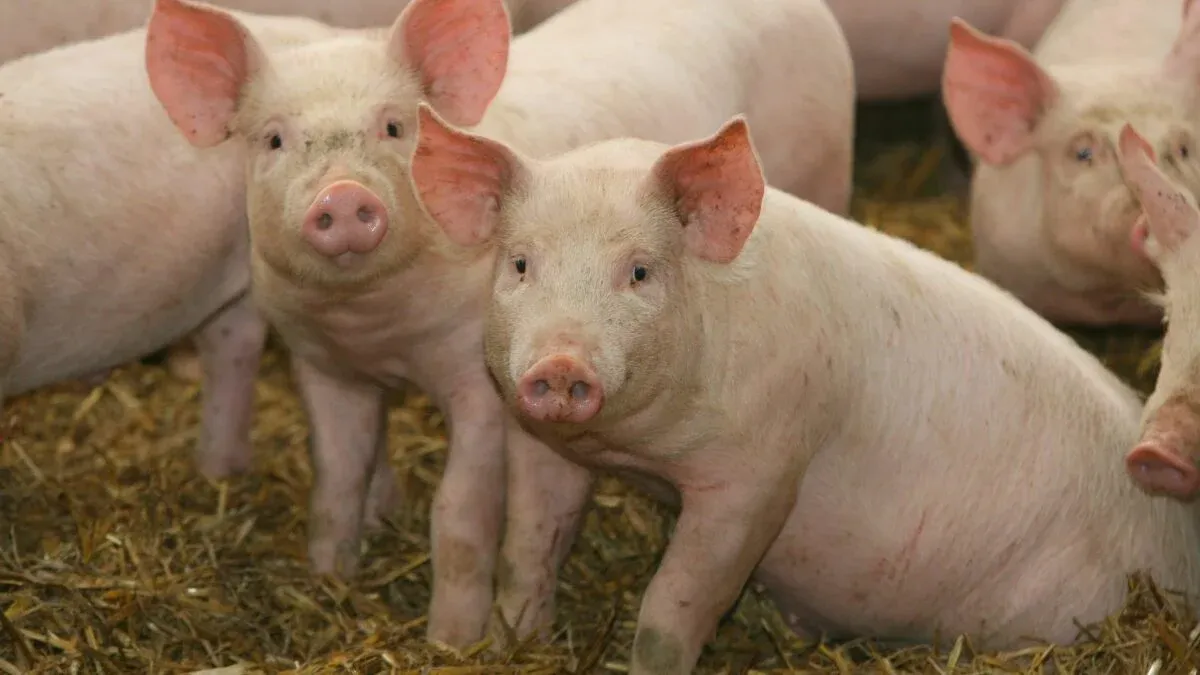
Scientists Just Revived Pig Kidneys Frozen for a Year. It Could Rewrite the Future of Organ Transplants - Gizmodo
Much like sushi or political humor, badly needed donor organs tend to have a pretty short shelf life. By current estimates, vital organs like a heart or a lung need to be transplanted into their waiting human recipient within six hours or less, while the most hardy of these organs, the kidney, can only remain viable for up to 36 hours before surgery. These unforgiving expirations dates have helped keep over 100,000 Americans (and counting) stuck on the waiting list for a new organ—but surgeons and medical researchers at the University of Minnesota have just reported a breakthrough that might finally get this line moving. A university team, co-led by transplant surgeon Erik Finger, says it has effectively kept pig kidneys in cold storage for months, and in one case over a year, managing to gently thaw, test, and successfully transplant these warmed-over organs into test pig recipients. The research, published as a pre-print with bioRxiv while it awaits peer review, confirmed that the once-frozen organs had both regained their color and helped the test pigs produce urine: critical signs that restored blood flow and organ function had been achieved.
0 comments
No comments yet. Be the first to share your thoughts!