Life May Have Started as Sticky Goo, Long Before Cells Even Existed - ScienceAlert
This story deserves to be shared
Send it to someone who'd care, or post it on your networks.
This article is an excerpt. To read the full content, visit the original source. ScienceAlert
Related articles
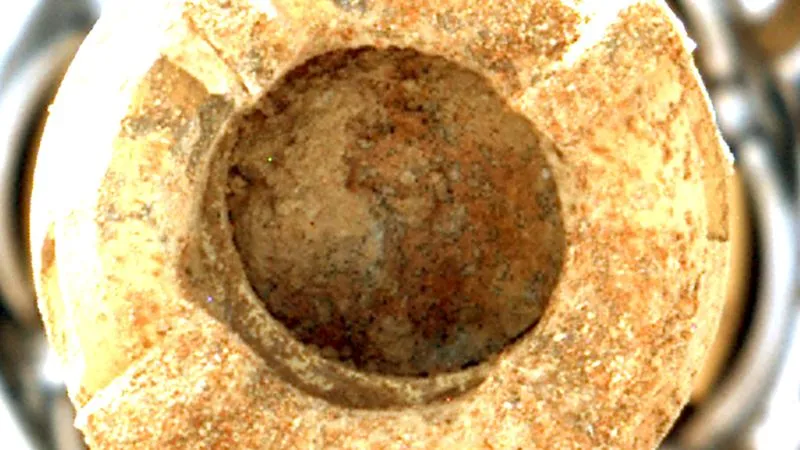
An abandoned rock sample could prove life once existed on Mars. But will it ever reach Earth? - CNN
US officials canceled NASA’s ambitious Mars Sample Return program, leaving potential evidence of ancient life sitting on Mars. Could China beat them to it?
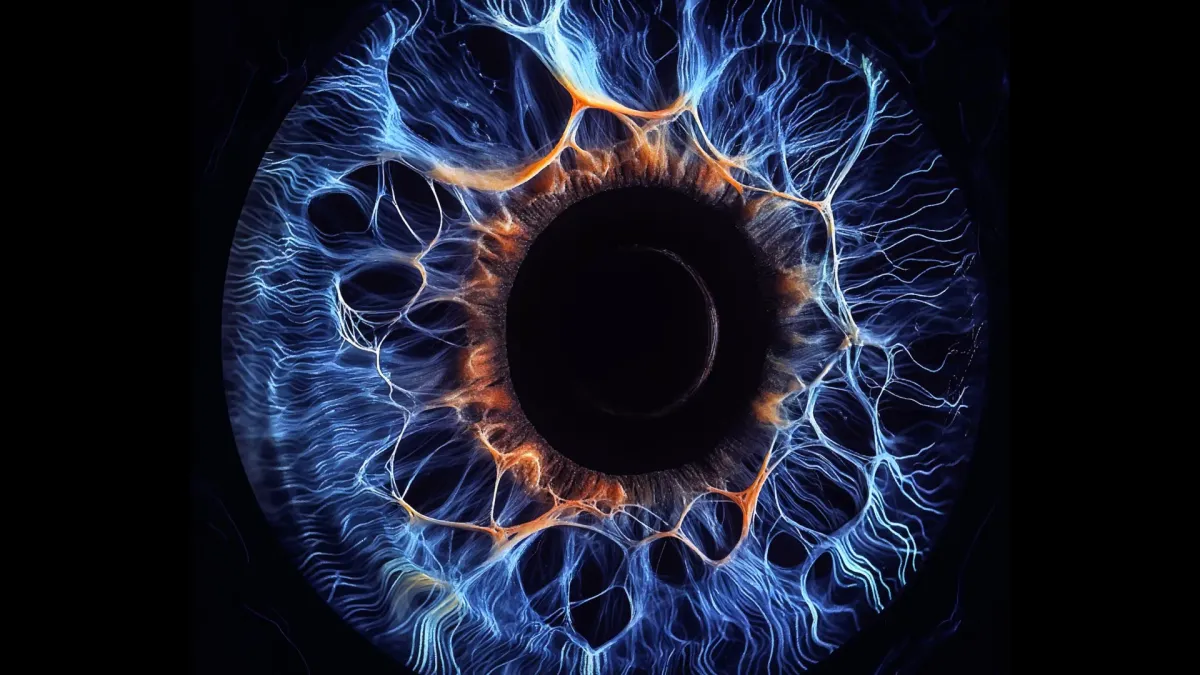
The eye has a hidden cleanup system scientists never knew existed - Science Daily
Scientists have uncovered a previously unknown cleanup system at the back of the eye, revealing a hidden route that allows fluid and waste to escape into the body's lymphatic system. The discovery challenges long-standing assumptions about how the eye functions and could eventually lead to new approaches for treating serious conditions that cause blindness. Glaucoma, age-related macular degeneration, and several other major causes of permanent vision loss are associated with the accumulation of fluid, metabolic waste, and inflammatory material in the back of the eye. Until now, researchers have struggled to explain exactly how this sensitive region removes unwanted substances.
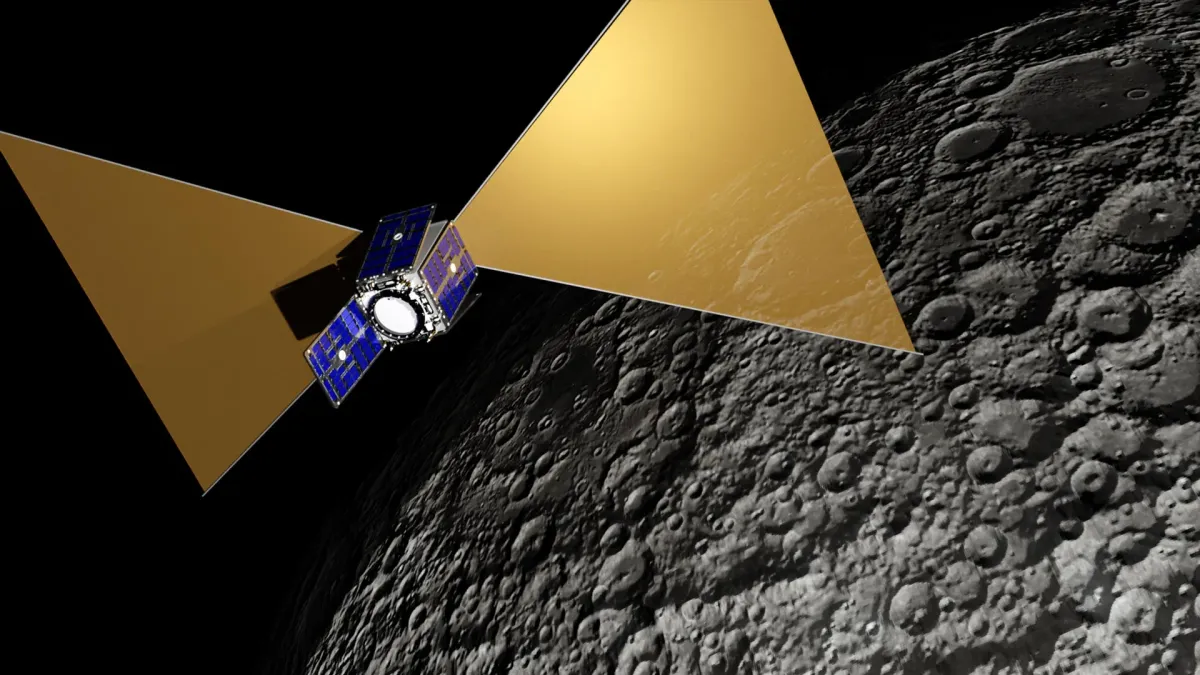
This suitcase-sized spacecraft could hear the universe before stars existed - ScienceDaily
A satellite no bigger than a small carry on suitcase could help scientists investigate one of the least understood periods in cosmic history: the roughly 150 million years of darkness before the universe's first stars began to shine. Developed in the UK, the spacecraft is called CosmoCube. An international research team led by the University of Cambridge plans to send it around the Moon, where the lunar far side can block radio interference coming from Earth. In that unusually quiet environment, CosmoCube will listen for an extraordinarily faint signal left behind by the early universe.
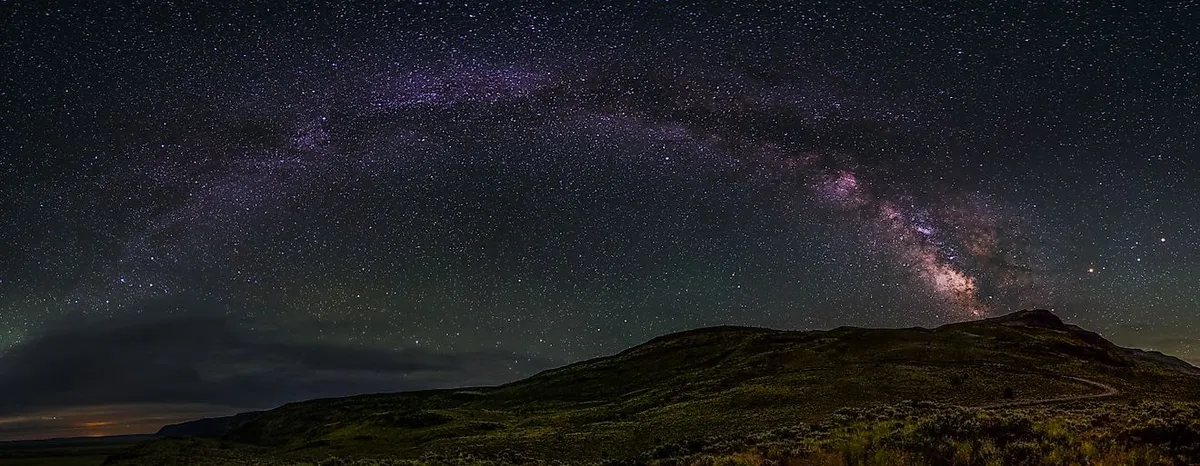
The American Mountains With The Darkest Night Skies - WorldAtlas
More than 99% of the US population lives under light-polluted skies, according to a 2016 study published in Science Advances. With streetlights, brightly lit parking lots, arenas, and passing headlights brightening the night, it can be easy to forget how dark the sky actually is and how many stars appear when you get away from populated areas. Seeing that many stars for the first time can make you pause and remember where you truly are. You are on a rock spinning through space, surrounded by a universe filled with stars, planets, and galaxies larger than anything you can imagine. A remote mountain excursion can combine a dark sky encounter with a day of hiking and sightseeing. After sunset, bright stars emerge above the slopes and ridgelines. These American mountains lie within officially designated dark sky locations that protect natural darkness and the views of the universe it reveals. In northeastern New Mexico, Capulin Volcano sits among volcanic cones, mesas, and buttes in one of the darker areas of the lower 48 states. These landforms help shield the night sky from distant lights, while the rugged terrain has discouraged development in the area.
0 comments
No comments yet. Be the first to share your thoughts!