Just 3,000 steps a day may help slow Alzheimer's, scientists find - Science Daily
This story deserves to be shared
Send it to someone who'd care, or post it on your networks.
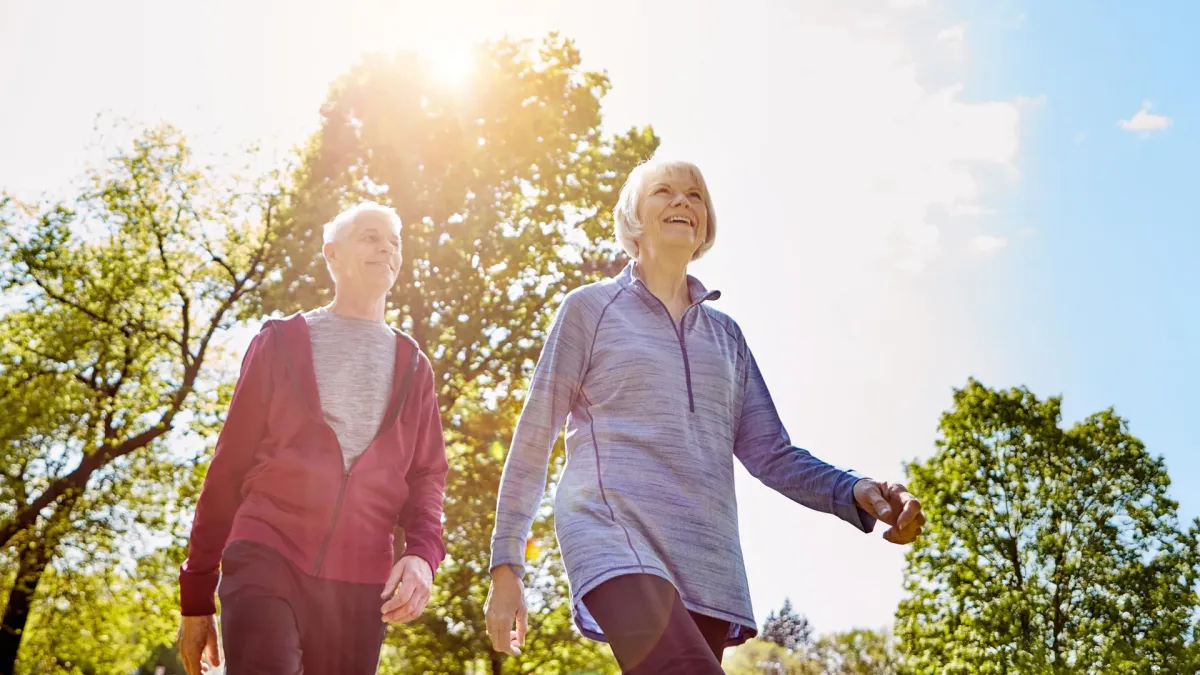
A new study suggests that even low levels of physical activity could protect the brain from Alzheimer’s disease – but not in the way scientists expected.
The researchers tracked almost 300 older adults with early brain signs of Alzheimer’s for nine to 11 years using pedometers. They found that physical activity didn’t reduce the toxic amyloid plaques that most Alzheimer’s treatments now target.
This article is an excerpt. To read the full content, visit the original source. Science Daily
Related articles
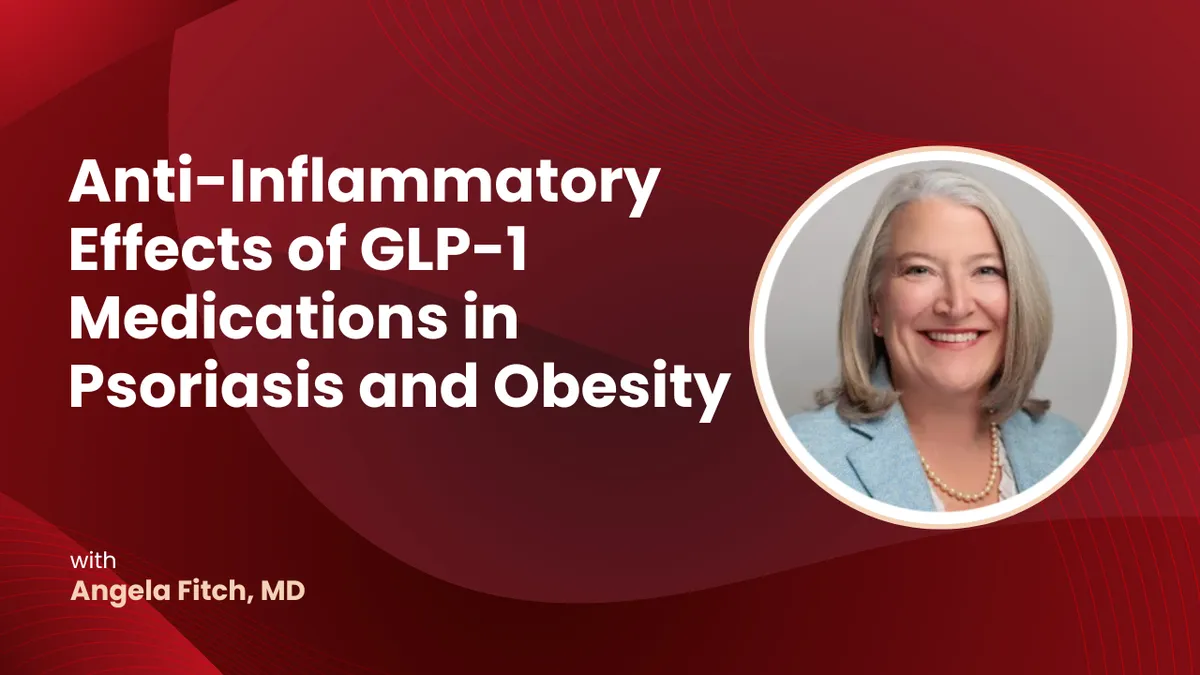
Anti-Inflammatory Effects of GLP-1 Medications in Psoriasis and Obesity - Dermatology Times
At Fall Clinical 2026, Angela Fitch, MD, discussed GLP-1 prescribing by dermatologists and the metabolic and inflammatory link to psoriasis. Angela Fitch, MD, co-founder and chief medical officer of Knownwell and past president of the Obesity Medicine Association, recently discussed GLP-1 care in psoriasis after a multidisciplinary panel at Fall Clinical 2026. Fitch, an obesity medicine specialist, described the medications as relevant to more than weight management, and wants dermatologists to feel comfortable prescribing them. Multidisciplinary Care Beyond Weight ManagementThe panel included Fitch, dermatologists, a pharmacist to answer clinical pharmacy questions, and a patient advocate to share the patient perspective. Fitch called the patient view especially important. She said the discussion centered on GLP-1 care as more than a weight management tool. “We’re really talking about not just losing weight, but gaining health,” Fitch said. Fitch noted a strong relationship between psoriasis and metabolic health issues, extending across the whole metabolic health continuum rather than weight alone.
This Fall Food Is the No. 1 Easiest Way to Add Fiber, Antioxidants to Meals, Dietitian Says - TODAY.com
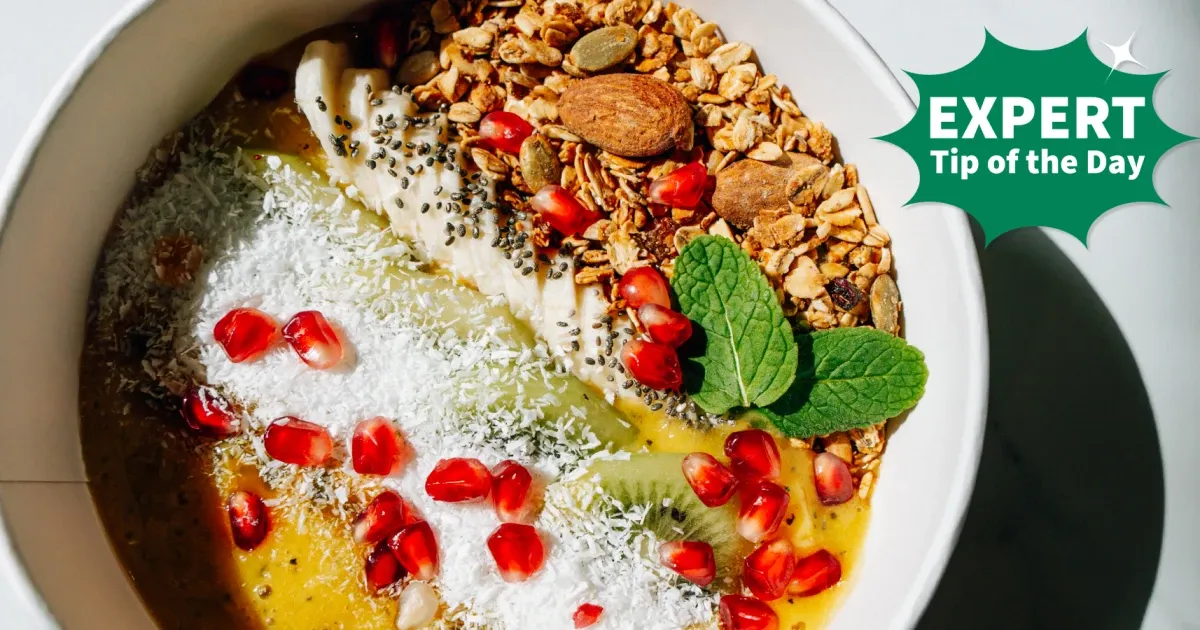
The easiest and perhaps tastiest way to add antioxidants to your fall meals only takes a sprinkle. Just a handful of a certain richly colored, naturally sweet (and tart) fruit can give any meal a boost of healthy plant compounds and fiber, a dietitian says. And the best way to use this ingredient is to simply toss a few of them on top of any meal. Nutrition Tip of the Day: Sprinkle Pomegranate Arils on Meals to Add Fiber and Antioxidants“Pomegranate arils are one of my favorite ways to add antioxidants to everyday meals,” says Natalie Rizzo, registered dietitian and TODAY nutrition editor. Tiny, gem-like pomegranate seeds are packed with healthy plant compounds to support your heart health, she says. And they add a juicy burst of flavor and color to any meal. Why It MattersPomegranate arils may be small, but they’re full of nutrients that support your heart health, gut health and more. “These juicy little seeds contain polyphenols, plant compounds that help protect cells from oxidative stress and may support heart health,” Rizzo says. Those compounds include anthocyanins, a type of plant pigment also found in blueberries and blackberries that have antioxidant benefits.

Part 3: What's the Biggest Gap in Pediatric Neurology Care Right Now? - NeurologyLive
Related to this articleOctober 18th, 2026Ocrelizumab demonstrated noninferiority to fingolimod for relapse control but displayed greater reductions in MRI lesion activity among pediatric patients with relapsing-remitting multiple sclerosis. Read moreOctober 17th, 2026Leonard Dragone, MD, PhD, Disease Area Leader at Johnson & Johnson, discusses how nipocalimab is being incorporated into generalized MG care, what long-term data show, and where J&J sees the therapy’s role evolving. Read moreOctober 16th, 2026Pivotal AFFINITY DUCHENNE results showed microdystrophin expression above the prespecified threshold in 93% of evaluable participants, with preliminary functional findings favoring treatment over external controls. Read moreOctober 16th, 2026Three-year extension data from the phase 3 IB1001-301 trial show levacetylleucine slowed disease progression in both adults and children with Niemann-Pick disease type C. Read moreOctober 15th, 2026All 10 REVEAL Part A participants gained or regained at least 1 developmental milestone after a single intrathecal TSHA-102 dose, with no treatment-related SAEs reported.
0 comments
No comments yet. Be the first to share your thoughts!