'It was very very good': Ötzi the Iceman's body is covered in ancient yeast — and scientists just used it to make a sourdough - Live Science
This story deserves to be shared
Send it to someone who'd care, or post it on your networks.
This article is an excerpt. To read the full content, visit the original source. Live Science
Related articles
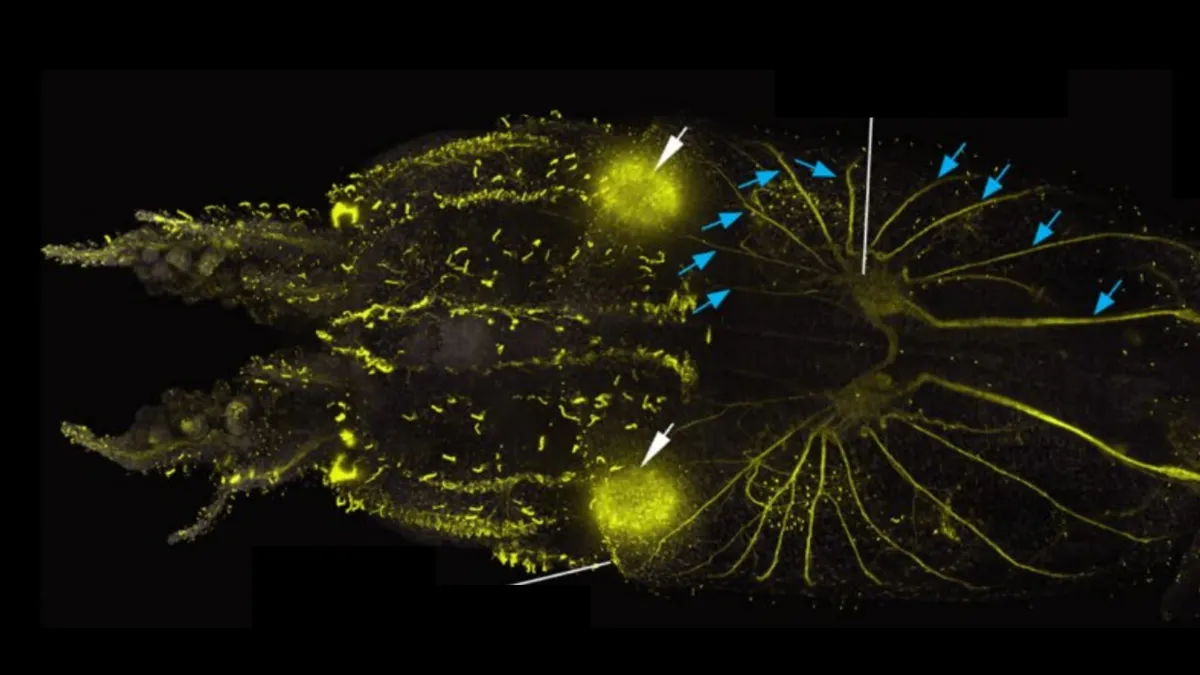
Scientists Find Squid Are Covered in Hair-Like Cells Remarkably Similar to The Ones in Human Ears - ScienceAlert
A hatchling squid imaged with light-sheet microscopy, to highlight its hair cells. (Wang et al., Current Biology, 2026) The skin of a squid, surprisingly, has much in common with an organ inside your ear. As reported in a new study in Current Biology, scientists have found that squid are covered in cells with little hair-like structures, similar to those inside human ears, which detect information carried by passing waves. For humans, these little hairs help us to interpret sound waves from a melody or a voice, or the honk of an impatient driver. For squid, it's all the little details carried in water movement: the twitch of nearby prey, the rumble of a distant shore, the pull of a current. Until now, scientists had no idea that squid were totally studded with these hair cells – and the discovery may be able to tell us something about our own hearing equipment. Hair bundles on the surface of the squid, and their neuronal connectivity. (Wang et al., Current Biology, 2026)Brian McDermott from Case Western Reserve University is an otolaryngologist – a scientist who studies inner ears, noses, and throats.

'Black dust covered my bed' – the day alien science smashed through a New Jersey roof - BBC Sky at Night Magazine
Scientists examining a lump of space rock that came crashing through the roof of a home in New Jersey, USA, in 2024 have found it to be rich in potentially life-supporting chemistry. The Hillsborough Meteorite, as it's now known, originally formed part of a larger meteor that came plummeting through Earth’s atmosphere at a speed of 14.4 kilometres per second (32,000 mph) on 16 July 2024.
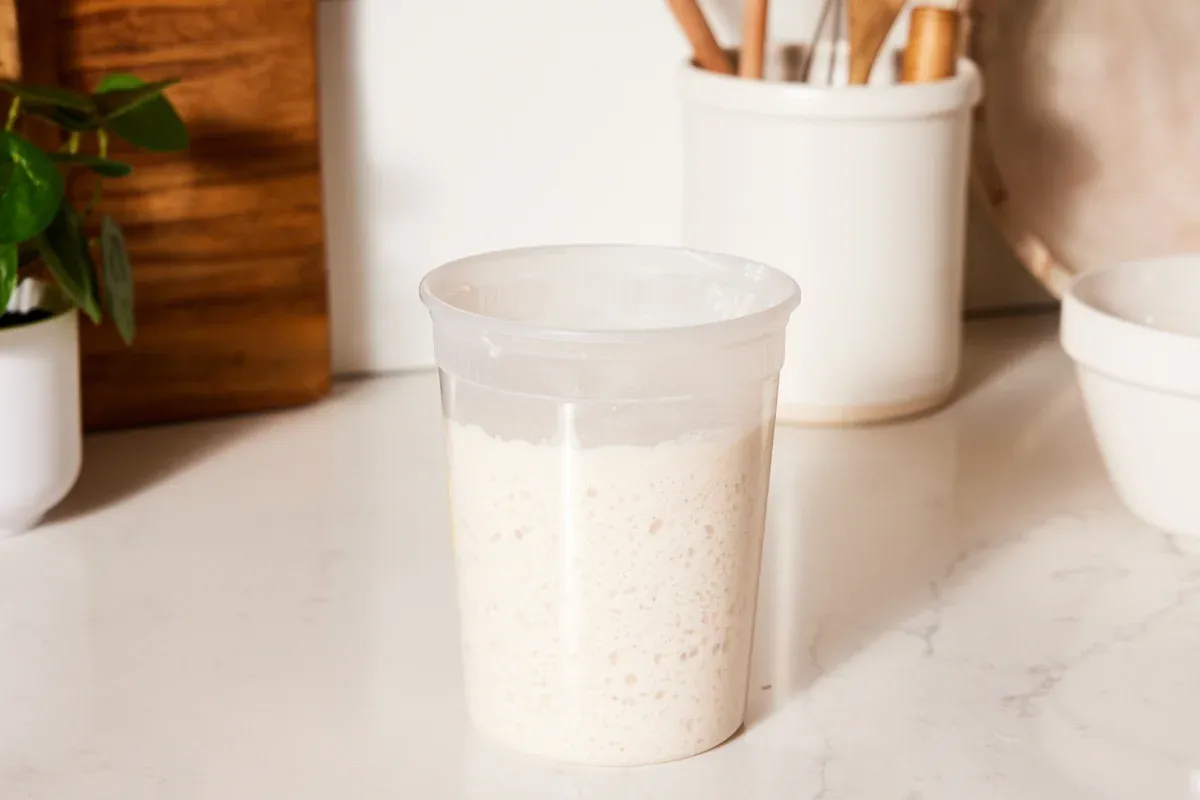
Beware the sourdough starter fake out: Don’t fall for this classic sourdough starter trick.
We think of baking as a wholesome hobby, but certain threats stalk our kitchens. Our Test Kitchen is terrified of cake cleaching . Soggy bottoms haunt our nightmares. And in our bread baking, nothing…
0 comments
No comments yet. Be the first to share your thoughts!