Intraoperative Hypotension Tied to Worse Outcomes After Stroke Thrombectomy - TCTMD.com
This story deserves to be shared
Send it to someone who'd care, or post it on your networks.
This article is an excerpt. To read the full content, visit the original source. TCTMD.com
Related articles
What Is Orthostatic Hypotension? - Cleveland Clinic
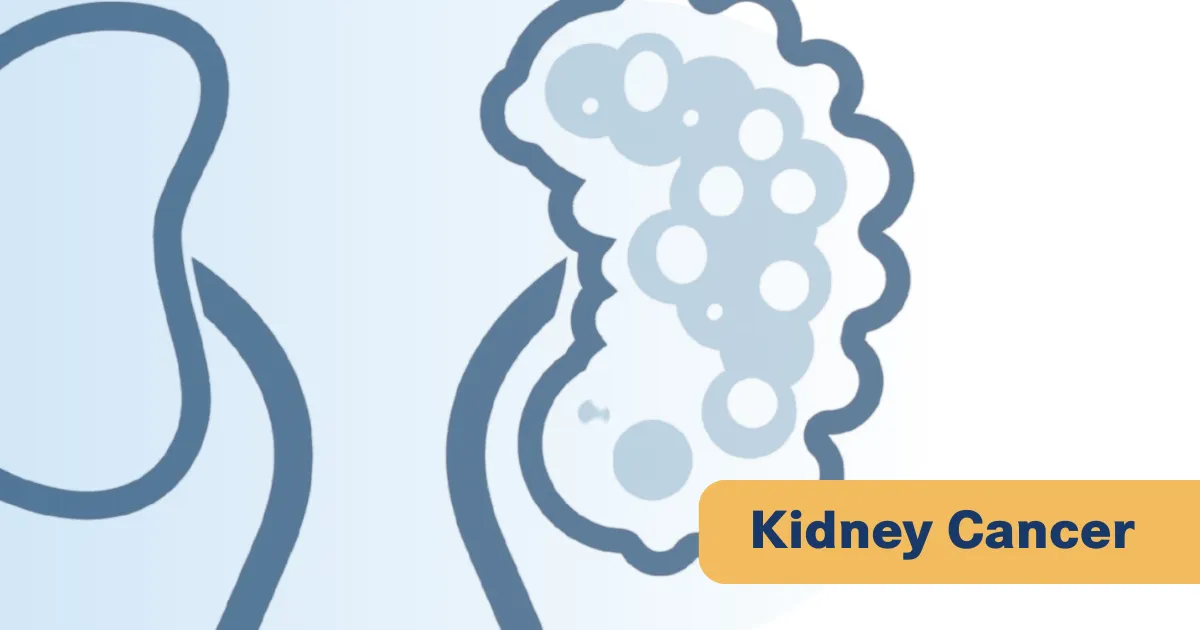
Neoadjuvant Radiation Before IVC Thrombectomy Meets RFS Goal in RCC - Targeted Oncology
SABR improved recurrence-free survival vs historical benchmark with IVC tumor thrombus; investigators hypothesize this could be used to reduce invasive surgery. Stereotactic ablative radiotherapy (SABR) delivered to inferior vena cava tumor thrombus (IVC-TT) before surgery was feasible and showed a preliminary recurrence-free survival (RFS) signal in patients with renal cell carcinoma (RCC), according to results of a trial published in JAMA Oncology.1In the phase 2 nonrandomized single-center study (NCT02473536), conducted at UT Southwestern Medical Center, the 1-year RFS rate was 71.4% (80% CI, 56.6%-82.0%; 95% CI, 47.2%-86.0%) among 21 evaluable patients, compared with a prespecified historical benchmark of 55.7% for surgery alone (P = .09). The result satisfied the trial’s phase 2 screening criterion, which used a 2-sided α of 0.20. Investigators emphasized that, given the nonrandomized design and permissive α, the finding is hypothesis-generating rather than confirmatory. No patient died within 90 days of surgery, and no grade 4 or 5 toxic effects were attributed to radiation. Median follow-up was 108.6 months (range, 2.0-127.2).
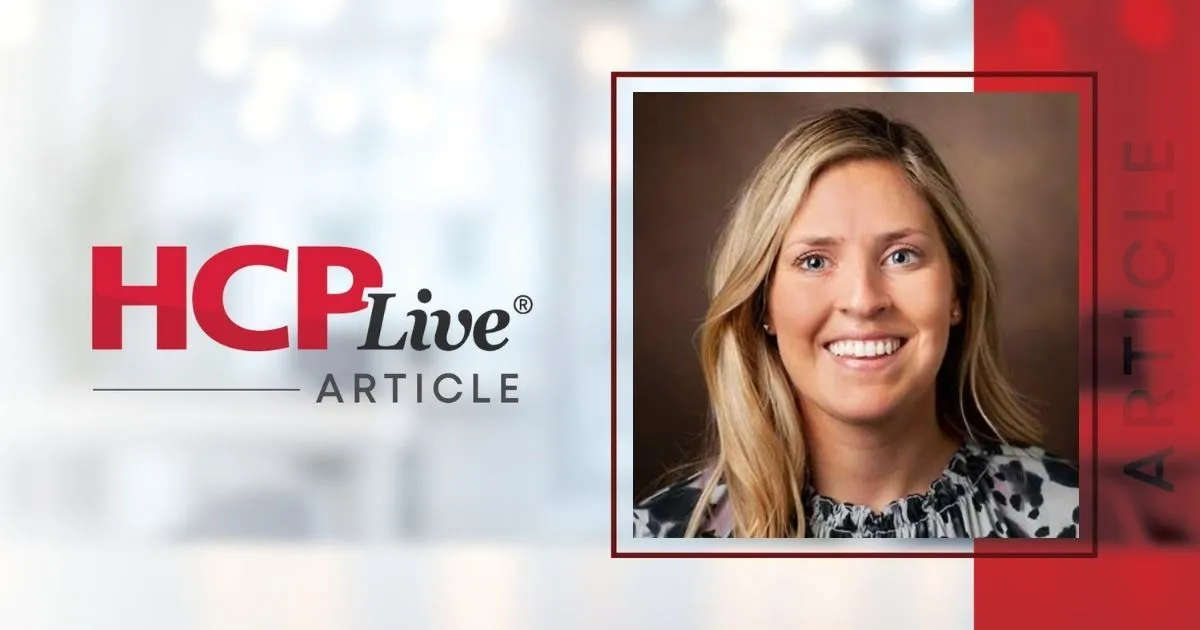
Examining the Oral Steroid Burden in Asthma and COPD - HCPLive
Patients with asthma and chronic obstructive pulmonary disease (COPD) often receive systemic corticosteroids from multiple specialties, and that cumulative exposure is rarely tracked in 1 place. At the same time, the options for reducing reliance on oral steroids have grown, with approvals of dupilumab and mepolizumab for eosinophilic COPD and of depemokimab, a twice-yearly anti-interleukin (IL)-5 agent, for severe asthma.1-4 Clinicians outside pulmonology increasingly manage these patients when specialty access is limited. On October 6, 2026, Mollie Chartoff, FNP-BC, a nurse practitioner on the advanced COPD team at Vanderbilt Lung Institute in Nashville, Tennessee, moderated a virtual clinical forum for advanced practice providers on asthma and COPD. Participants included nurse practitioners and physician assistants in pulmonology, allergy and asthma, dermatology, oncology, and interventional pain practices in Tennessee, Texas, Missouri, and North Carolina. The discussion covered biomarkers, oral corticosteroid (OCS) exposure, biologic selection, and access barriers.
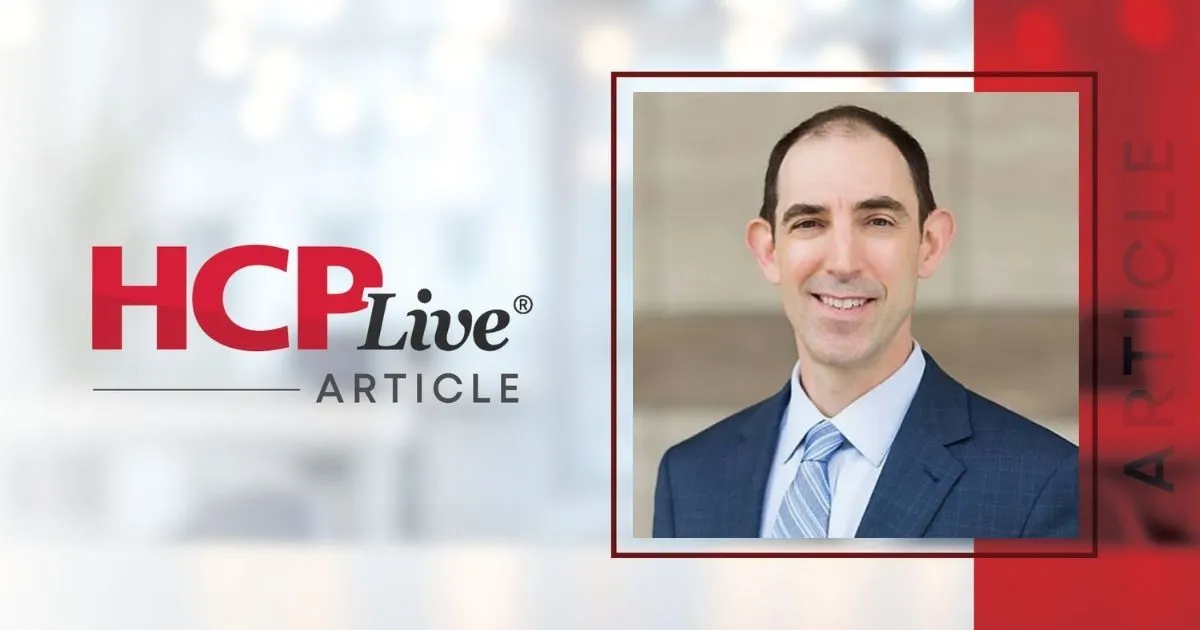
PAH Combination Therapy and Escalation: Clinical Forum Perspectives - HCPLive
Treatment of pulmonary arterial hypertension (PAH) now spans 5 therapeutic pathways, and the options within them continue to expand. Recent developments include FDA approval of a once-daily single-tablet combination of macitentan and tadalafil, supported by the phase 3 A DUE trial, and a September 2026 European Respiratory Society (ERS) guideline update recommending add-on sotatercept for patients who remain at intermediate-low, intermediate-high, or high risk.1,2 How clinicians sequence oral, inhaled, parenteral, and injectable therapies in practice increasingly depends on risk assessment, payer requirements, and patient preference. In September 2026, Marc Simon, MD, MS, director of pulmonary vascular disease and the Pulmonary Hypertension Comprehensive Care Center at the University of California, San Francisco (UCSF), moderated a clinical forum in San Francisco. Participants included pulmonologists, advanced heart failure and critical care cardiologists, and a nurse practitioner from UCSF, Kaiser Permanente, and California Pacific Medical Center. The discussion covered initial combination therapy, risk reassessment, escalation beyond dual therapy, and long-term monitoring.
People Are Dying of Heart Attacks at Nanaimo’s Outdated Hospital - The Tyee
Informations complètes et à jour, compilées par Google Actualités à partir de sources d'actualité du monde entier
0 comments
No comments yet. Be the first to share your thoughts!