Improving infant health equity: what have we learned, what do we do - Nature
This story deserves to be shared
Send it to someone who'd care, or post it on your networks.
This article is an excerpt. To read the full content, visit the original source. Nature
Related articles
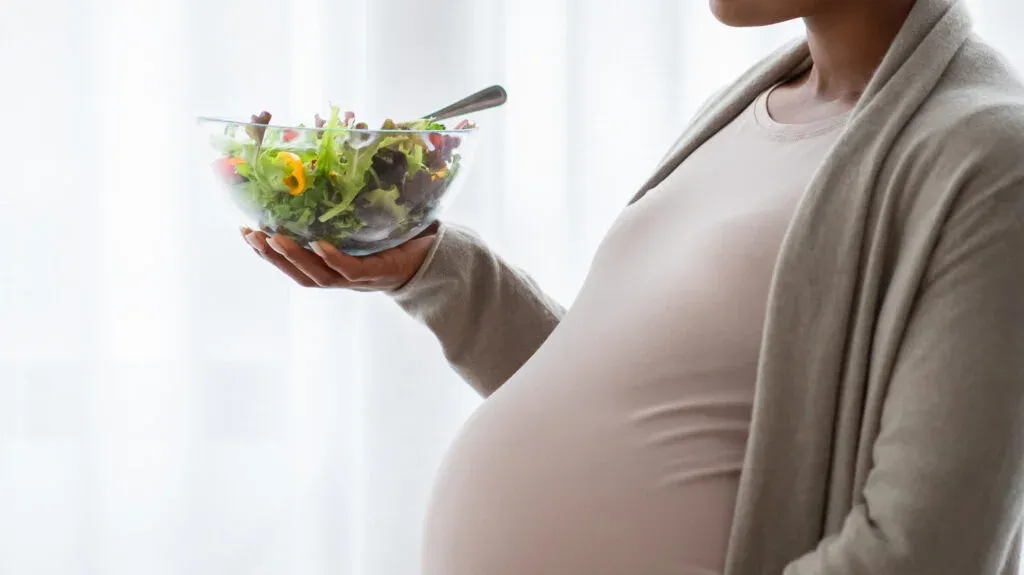
Healthy diet during pregnancy associated with reduced risk of infant colic, eczema - Harvard T.H. Chan School of Public Health
Boston, MA—Infants born to mothers who ate a healthy, Mediterranean-style diet during pregnancy were at lower risk for colic and eczema, according to a new study by researchers at Harvard T. H. Chan School of Public Health, Boston Children’s Hospital, and Harvard Pilgrim Health Care Institute. The researchers also found that regularly consuming seafood during pregnancy helped lower an infant’s risk for these conditions. “Our own prior studies have shown that babies who had colic have higher rates of atopic conditions in later life, including asthma, seasonal rhinitis and food allergies,” said corresponding author Jenifer Lightdale, associate chief of the Division of Gastroenterology, Hepatology and Nutrition at Boston Children’s Hospital and professor of pediatrics at Harvard Medical School. “Our new study is the first to ask how prenatal diet may influence colic, and in particular the combination of colic and eczema, as babies who have both conditions in infancy may be at highest risk for various manifestations of allergies when they are older.”

Social security -Infant bronchiolitis: preventive treatments more reimbursed by the Health Insurance - Service Public
Social securityPublié le 26 août 2026 - Public Service / (Prime Minister)Bronchiolitis is an epidemic respiratory disease that affects nearly 30% of infants under 2 years of age every winter. From August 31, parents will benefit from a better reimbursement by the Health Insurance of 2 preventive treatments against this viral infection. Image 1Crédits: New Africa - stock.adobe.comBronchiolitis is characterized in particular by an episode of respiratory discomfort, the signs of which are a cough as well as rapid and wheezing breathing. It can affect infants under 2 years of age all year round, but it is more common in winter; and this viral infection is very contagious. It is a disease that is most often benign. However, very young children, especially infants less than 2 months of age, may have a more severe form requiring hospitalization. The prevention strategy for bronchiolitis, established by the health authorities, has been strengthened in recent years thanks to the integration of two new preventive treatments:Monoclonal antibody therapy (Beyfortus), which is intended to protect babies from the virus that causes bronchiolitis during their first high-risk season.
0 comments
No comments yet. Be the first to share your thoughts!