ICE came to town and left behind weakened economies
This story deserves to be shared
Send it to someone who'd care, or post it on your networks.
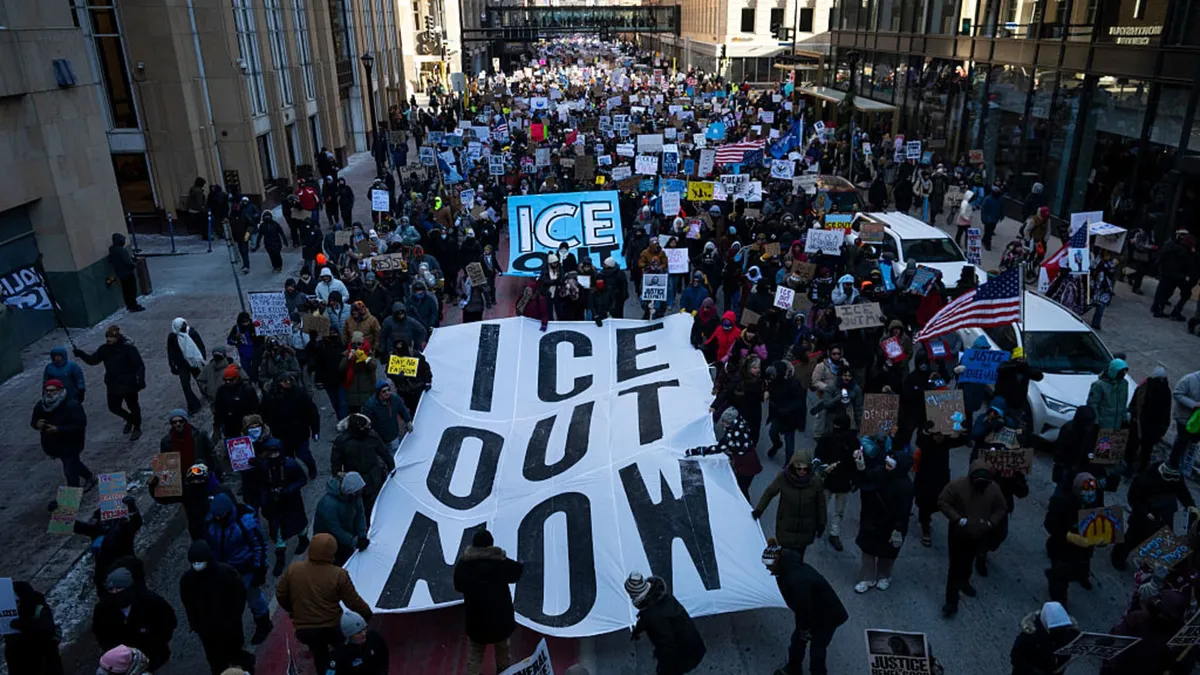
Research links ICE enforcement surges to lasting declines in local spending, foot traffic and jobs. In Minneapolis, businesses are still recovering.
This article is an excerpt. To read the full content, visit the original source. CNBC Investing
Related articles
Even high-altitude forests in Switzerland are now weakened by frequent droughts, making natural hazards more dangerous - Frontiers
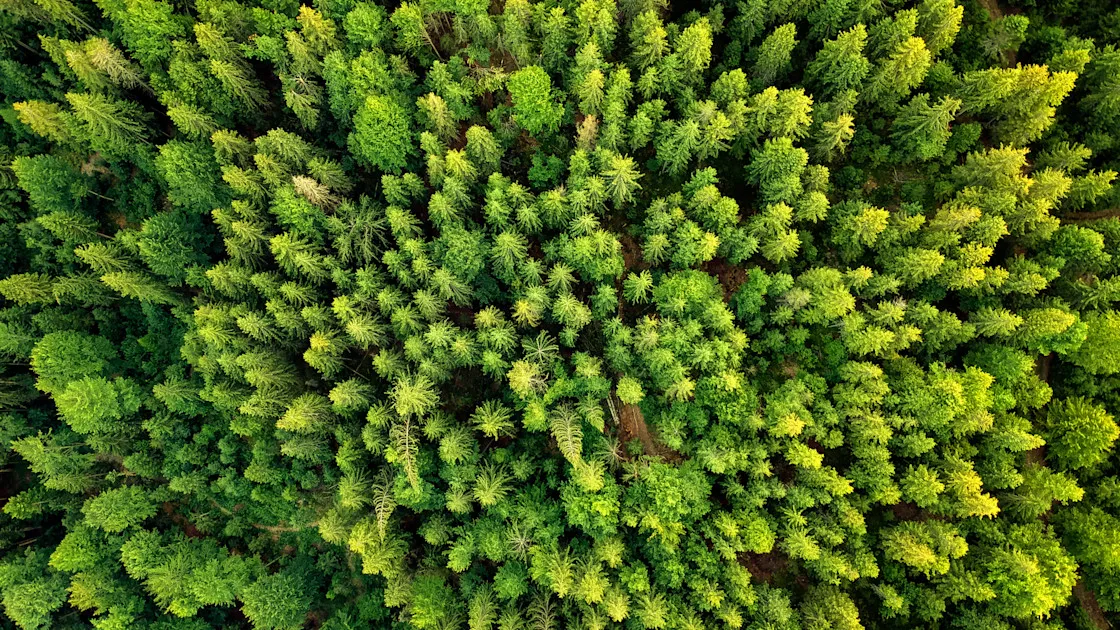
Researchers have shown that declining forest stands are an increasingly common phenomenon across all altitude belts in Switzerland. They concluded that even in the highest ‘subalpine’ belt, trees are no longer protected by the cooler temperatures from the damaging effects of summer droughts, worsened by global warming. The make-up of ‘protective’ forests, which shield against natural hazards, appears to have changed over the past four decades, as larger trees and more vulnerable trees to drought have died faster. Today’s stands may be hardier, but their tolerance and resilience in the face of droughts could be weakened by recurring droughts. The authors emphasized the need for adaptive forestry strategies in protective forests across Europe. Due to global warming, Swiss forests are now at a tipping point where the tolerance and resilience of trees against summer droughts are being overwhelmed, scientists have shown. That bodes ill for people in the valleys, because forests form their first line of defense against avalanches, rockfalls, landslides, and floods.

Climate crisis probably weakened glacier that caused devastating Nepal-Tibet floods, first study finds - The Guardian
Climate breakdown probably weakened the glacier that collapsed causing catastrophic floods and killing over a thousand people in Nepal and Tibet last month, the first scientific study of the disaster has found. Researchers identified unusually warm conditions before the glacier’s collapse, which sent an avalanche of 110m cubic metres (3.885bn cu ft) of snow and ice into the valley below. This triggered flash floods on an almost unprecedented scale, hitting communities downstream without warning. “Communities in Nepal are paying with their lives for a crisis driven by fossil fuel emissions thousands of miles away,” said Dr Friederike Otto, a climate science professor at Imperial College London, which carried out the study. “When warming destabilises the roof of the world, no amount of local adaptation can fully shield vulnerable people downstream from this scale of destruction. Without much faster action to transition to zero fossil fuel emissions we will inevitably see more disasters of this scale occurring in the years to come.”A impromptu memorial in Kathmandu commemorates some of the people killed in the flooding.

Bitcoin, Ether ETFs shed $549M as October ETH outflows near $1B
MarketsPublishedOct 19, 2026US spot Ether ETFs recorded around $955 million in October net outflows so far, while Bitcoin funds extended their weekly withdrawal streak to two weeks. US spot Bitcoin and Ether exchange-traded funds (ETFs) saw $549 million in net outflows last week as investors continued pulling money from two of the largest crypto funds. Bitcoin ETFs recorded around $229 million in weekly net outflows, while Ether funds posted even higher withdrawals at $320 million, according to SoSoValue data. The latest withdrawals marked a second consecutive week of losses for Bitcoin ETFs and a third for Ether funds. Outflows slowed from the previous week, when the two recorded $1.22 billion in net outflows. Spot Ether ETFs have recorded roughly $955 million in net outflows so far in October, more than in any other month this year. Monthly flows in spot Ether ETFs. Source: SoSoValueEther (ETH) fell 5% over the past seven days to around $2,433, while Bitcoin dipped 1.3% to $82,783 at the time of publication, according to CoinGecko data.

Bitcoin whale moves $34 million in BTC it got in 2013 when coins traded at $131
A bitcoin wallet dormant since 2013 moved 411 BTC, now worth about $34 million. It is one of several long-dormant wallets to wake up recently.

Zoom adds ‘proof of human’ badges to show you’re not a deepfake
Zoom enterprise customers will now be able to see “proof of human” badges to verify that people appearing on video calls are real, after a global rollout of biometric identity technology from World. On Sunday, the Sam Altman-backed project announced that World ID for Zoom is now available in the Zoom Marketplace. The system compares an image captured by the company’s iris-scanning Orb, a live selfie and the participant’s video feed before displaying a Human Badge visible to other meeting participants. World first announced its Zoom integration in April, when it was undergoing limited beta testing with VanEck Funds. The feature is now available globally to Zoom enterprise customers. World also named Bain Capital, Pantera Capital and other financial firms as initial design partners for its broader identity verification technology. The rollout follows incidents involving AI-generated impersonation. In 2024, an employee at engineering firm Arup transferred about $25 million after scammers impersonated executives during a video conference.
0 comments
No comments yet. Be the first to share your thoughts!