Has your resolve to buy Canadian weakened as the trade war with the U.S has dragged on? - Castanet
This story deserves to be shared
Send it to someone who'd care, or post it on your networks.
This article is an excerpt. To read the full content, visit the original source. Castanet
Related articles

Trump's trade rep sounds pessimistic about deal with Canada, saying issues are 'quite difficult to resolve' - CBC
WorldU. S. Trade Representative Jamieson Greer says he regularly speaks with his Canadian counterpart, but that the two sides have reached an impasse on some trade irritants and there's no sign of a resolution any time soon. Jamieson Greer says while 'technical talks' are ongoing, there are 'a handful of outstanding issues'Listen to this articleEstimated 5 minutesThe audio version of this article is generated by AI-based technology. Mispronunciations can occur. We are working with our partners to continually review and improve the results. U. S. Trade Representative Jamieson Greer speaks during the second day of the G20 Trade Ministerial Conference at the Pfister Hotel in Milwaukee on Thursday. (Kamil Krzaczynski/Getty Images)U. S. Trade Representative Jamieson Greer says he regularly speaks with his Canadian counterpart, but the two sides have reached an impasse on some trade irritants and there's no sign of a resolution any time soon.
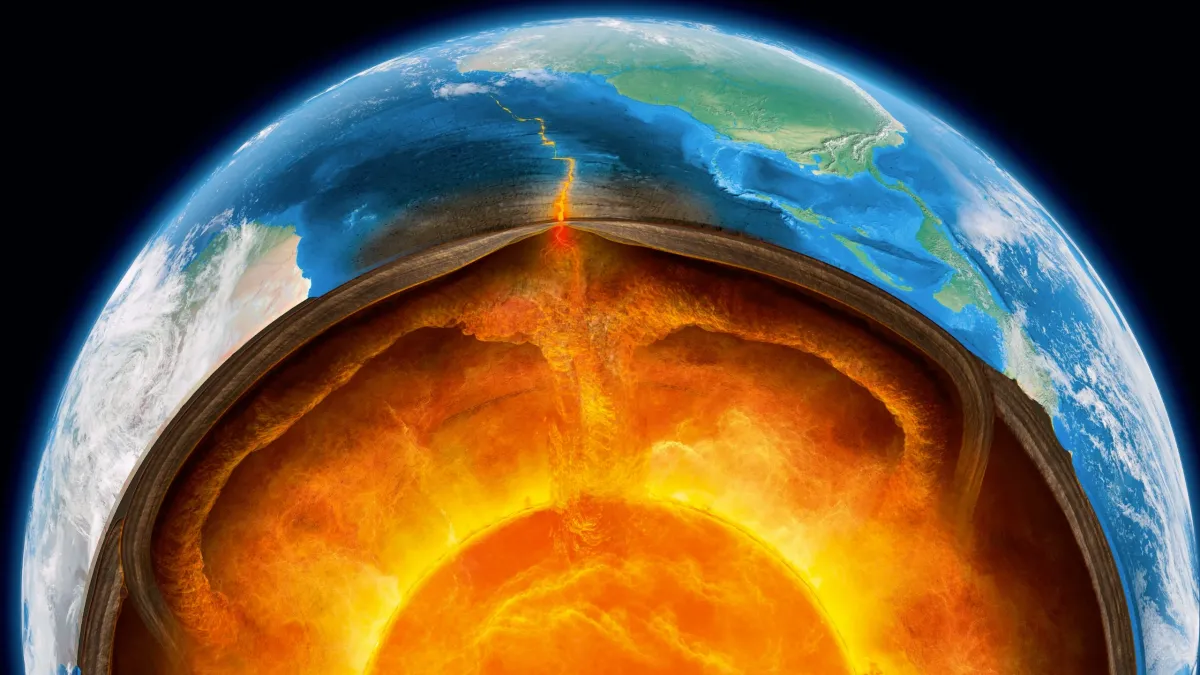
A Rock Dragged 90 Km Into Earth Came Back With a Temperature Story That Breaks The Models - ScienceAlert
Scientists have discovered a mysterious rock in eastern Papua New Guinea that traveled to the underworld roughly 4.4 million years ago. The story it has to tell is strange indeed. As the rock journeyed deeper into our planet's interior, pushed by the forces of a subduction zone, its temperature did not do what scientists expected. At 45 kilometers below the surface, researchers estimate the rock became unusually warm, experiencing temperatures of about 700 °C (1,292 °F). That's hotter than models predict subduction zones should be at that depth. But that's not all. When the rock reached more than 90 kilometers (56 miles) deep, its temperature only rose by a further 100 °C. "What makes this rock so interesting is that it records two very different thermal conditions at different stages of its time deep inside Earth," says geologist Axel Schmitt from Curtin University in Australia. "At about 45 kilometers depth, the rock was surprisingly hot, but as it traveled deeper it entered an environment that was cooler than we would normally expect at that depth. "A tiny coesite inclusion inside a garnet crystal reveals that the rock traveled more than 90 kilometers beneath Earth's surface.
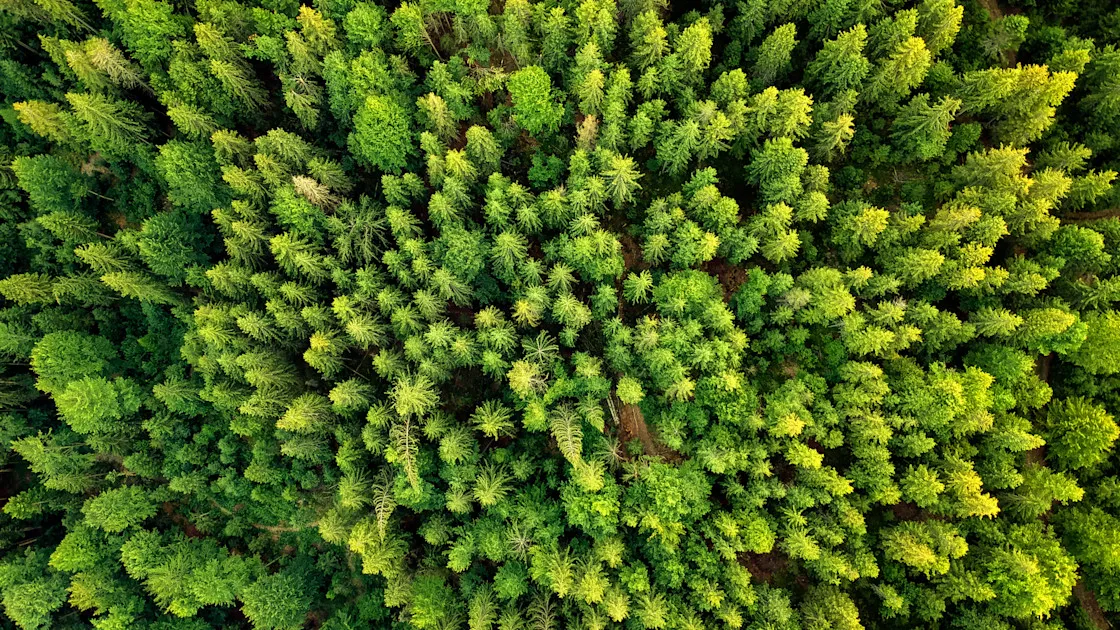
Even high-altitude forests in Switzerland are now weakened by frequent droughts, making natural hazards more dangerous - Frontiers
Researchers have shown that declining forest stands are an increasingly common phenomenon across all altitude belts in Switzerland. They concluded that even in the highest ‘subalpine’ belt, trees are no longer protected by the cooler temperatures from the damaging effects of summer droughts, worsened by global warming. The make-up of ‘protective’ forests, which shield against natural hazards, appears to have changed over the past four decades, as larger trees and more vulnerable trees to drought have died faster. Today’s stands may be hardier, but their tolerance and resilience in the face of droughts could be weakened by recurring droughts. The authors emphasized the need for adaptive forestry strategies in protective forests across Europe. Due to global warming, Swiss forests are now at a tipping point where the tolerance and resilience of trees against summer droughts are being overwhelmed, scientists have shown. That bodes ill for people in the valleys, because forests form their first line of defense against avalanches, rockfalls, landslides, and floods.
0 comments
No comments yet. Be the first to share your thoughts!