How to make cyanotype sun prints at home: your DIY guide
This story deserves to be shared
Send it to someone who'd care, or post it on your networks.

Cyanotype printing and how you can make art using the sunThere’s a nearly 200-year-old art form that uses sun as paint, and you can easily do it at home. You may not have heard of it, but cyanotype printing is so popular among photographers and crafters that there’s a whole day dedicated to it: World Cyanotype Day, which is celebrated the last Saturday of September every year. Cyanotype originated as a form of photography in 1842 that uses ammonium iron(III) citrate + potassium ferricyanide to turn a material into a beautiful shade of Prussian blue when it is exposed to UV light (aka the sun). By coating a piece of paper or other material in a cyanotype solution and then only exposing parts of that material to the sun, you can create monochromatic works of art using the sun itself. It’s surprisingly easy and definitely something you can do at home as a unique craft (and as a chemistry experiment).
This article is an excerpt. To read the full content, visit the original source. The Weather Channel
Related articles

Wildfires, heat, hurricanes: Weekend home DIY projects
Wildfire prep DIY: Weekend tasks that could save your homeSummer can feel like the perfect time to catch up on your DIY home projects, but it’s also the time when the weather makes certain fixes urgent. Wildfire season is at its peak in the West, heat waves are punishing rooftops from coast to coast, and the Atlantic hurricane season is barreling toward its crest. The good news is that there are some high-impact tasks that you can knock out in a weekend to start protecting your home. Wildfire prepNinety percent of homes lost in a wildfire are ignited by embers, not direct flames, according to research from the Insurance Institute for Business and Home Safety, so here’s how to make your house ember-resistant:Clear the first 5 feet around your home of everything flammableIt’s Cal Fire’s newest standard called Zone 0. They’re telling homeowners to get rid of bark mulch (replace with stone or gravel), dry plants, wood piles, even patio cushions in the backyard.
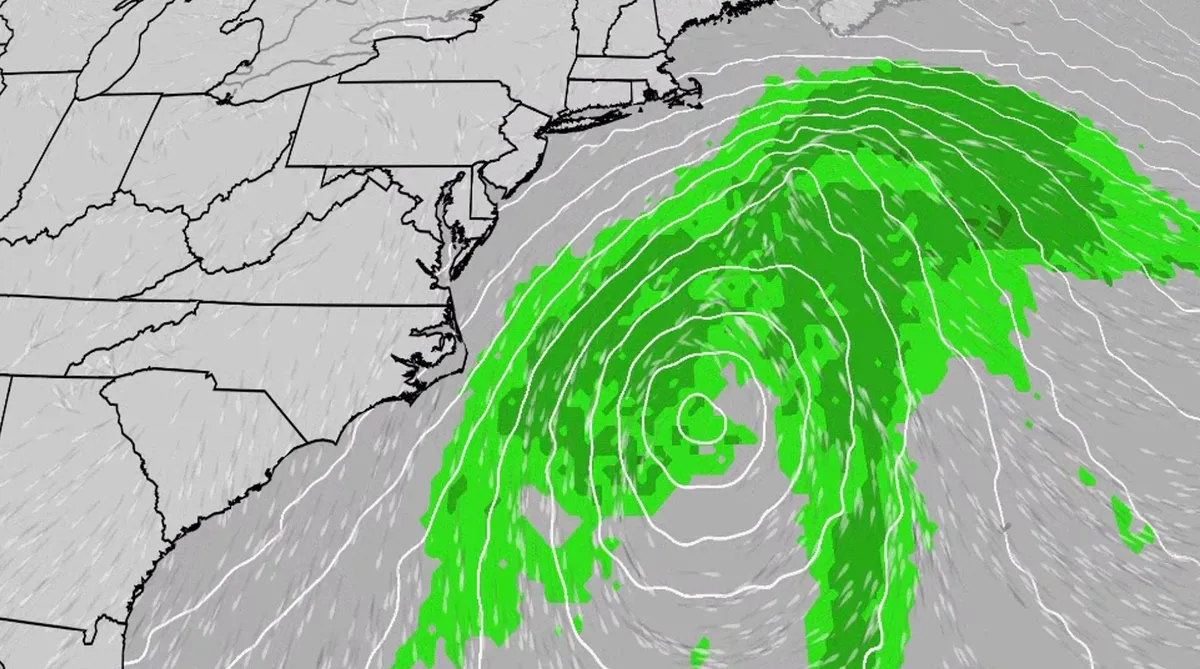
Nor' easter to bring coastal flooding, winds to East Coast
An October nor'easter is developing in the Atlantic, where it will bring high surf, rip currents, coastal flooding and winds to parts of the East Coast for several days this week. The National Hurricane Center has highlighted it as an area to watch this week for the potential development of Josephine. However, regardless of whether we call this system a nor'easter or Josephine, the impacts will be the same. The bottom line: This system will bring dangerous conditions to the East Coast for multiple days this week.(MORE: What is a nor'easter?)Fortunately, this nor'easter doesn't look to be as strong as the one in September. But the bad news? It could linger for much of the week, so impacts could have a longer duration. Coastal flood alerts are in effect for parts of coastal North Carolina and Virginia, where anywhere from 1 to 4 feet of inundation is possible. Get More of Our News on GoogleSet The Weather Company as a 'Preferred Source' to get quicker access to the news you value. Key takeawaysWe do not expect this storm to be as strong as the late September nor'easter.
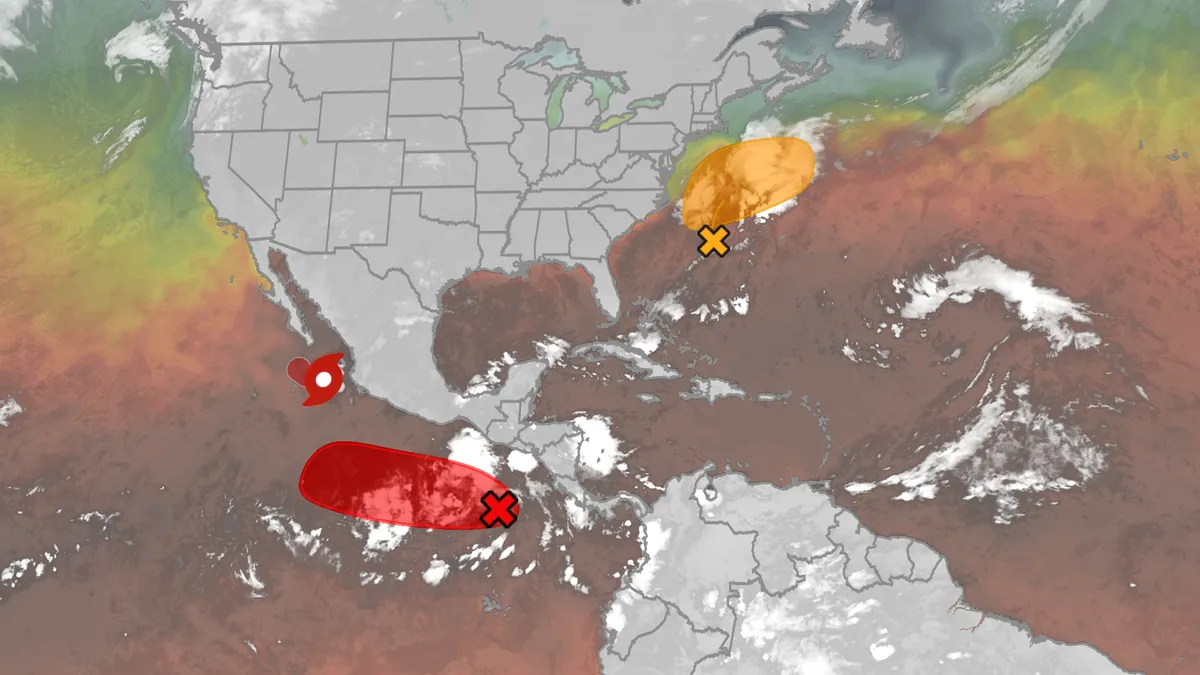
Hurricane season maps tracker: Latest forecasts and more
We have the maps you need to track all the systems ongoing in the Pacific and Atlantic below. Tracking the AtlanticTropical development areasSea surface temperatures Wind shear These are areas of strong wind shear, the difference in wind speed and direction with height, which are shown in purple. High wind shear is hostile to mature tropical cyclones and those trying to develop.(MORE: What is wind shear?)Get More of Our News on GoogleSet The Weather Company as a 'Preferred Source' to get quicker access to the news you value. Dry, dusty airAnother nemesis of tropical systems is dry air. In hurricane season, plumes of dust-laden air stream across the basin from Africa's Sahara Desert, as you can see in the map below. This sinking, dry air squelches thunderstorm development, the building blocks of tropical storms and hurricanes. So areas in the brown shading below are generally unfavorable for development. Atlantic tracks so far this seasonThese are the tracks of systems that were at least tropical or subtropical storms so far in the Atlantic Basin.

Winter storm checklist: What to do 72, 48, and 24 hours before it hits
Winter storm prep checklist: what to do 72, 48 and 24 hours outYou get the warning that a winter storm is coming: When you prepare matters as much as how you prepare. So I asked experts what you should do in the 72 hours, 48 hours and 24 hours before the storm arrives.(MORE: Your first freeze is coming — see average dates by region)Dan Stoneking spent a career in the U. S. Army and 15 years at FEMA. He’s now the founder and owner of Stoneking Strategic Communications. Remy Kennedy is a communications program manager with the American Red Cross. Both say you should create a checklist, and here’s what should be on it.72 hours before a storm: stock up and run errands“At 72 hours out, I like to tell people that’s basically the time you do all the things outside of your house,” Stoneking said. “One of the first things you want to do is evaluate your home situation,” Kennedy said. Who might need extra care in the cold? Kids, pets, older relatives, neighbors living alone. Then you need to make your errands list.
0 comments
No comments yet. Be the first to share your thoughts!