How Science and Music Blurred Politics One Day Back Home - Psychology Today
This story deserves to be shared
Send it to someone who'd care, or post it on your networks.
This article is an excerpt. To read the full content, visit the original source. Psychology Today
Related articles
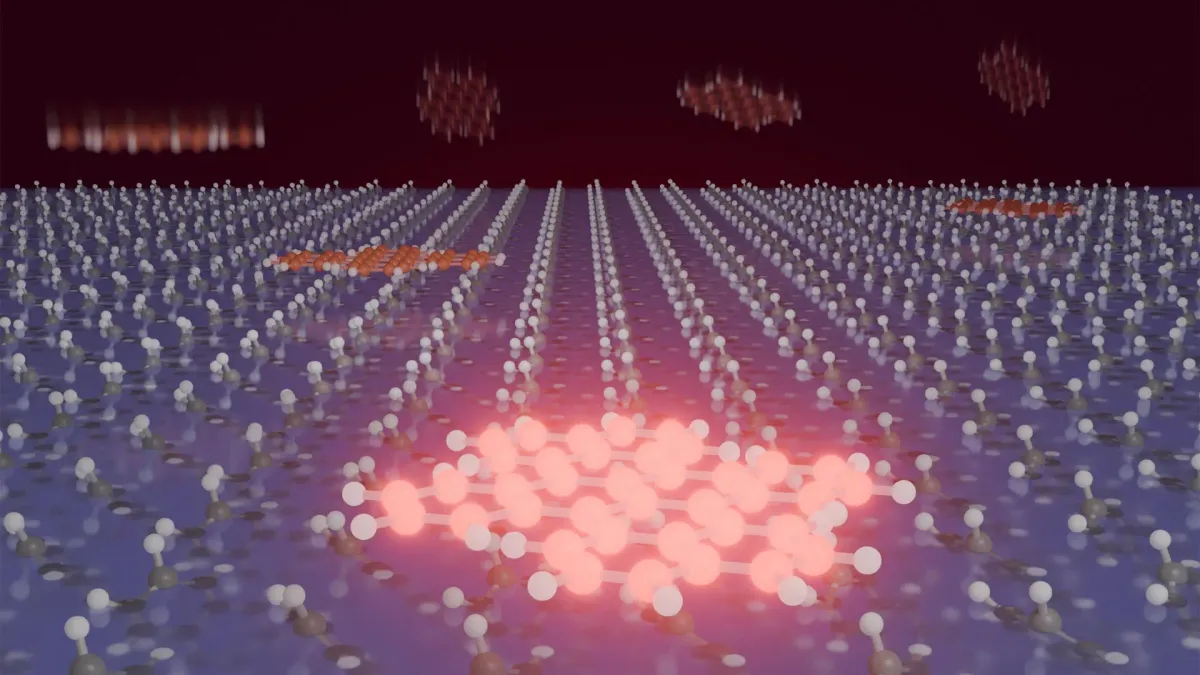
Scientists reach the ultimate quantum limit on a surface - Science Daily
Scientists at the Max Planck Institute for the Science of Light (MPL) have achieved a breakthrough in quantum physics, developing a way to study individual molecules on a surface with extraordinary precision. For the first time, researchers have demonstrated that molecules attached to a surface can reach the ultimate quantum limit of optical coherence, overcoming a major obstacle that has long restricted molecular quantum research. The findings, published in Science, could open new possibilities for investigating how molecules interact with surfaces and developing advanced quantum technologies.
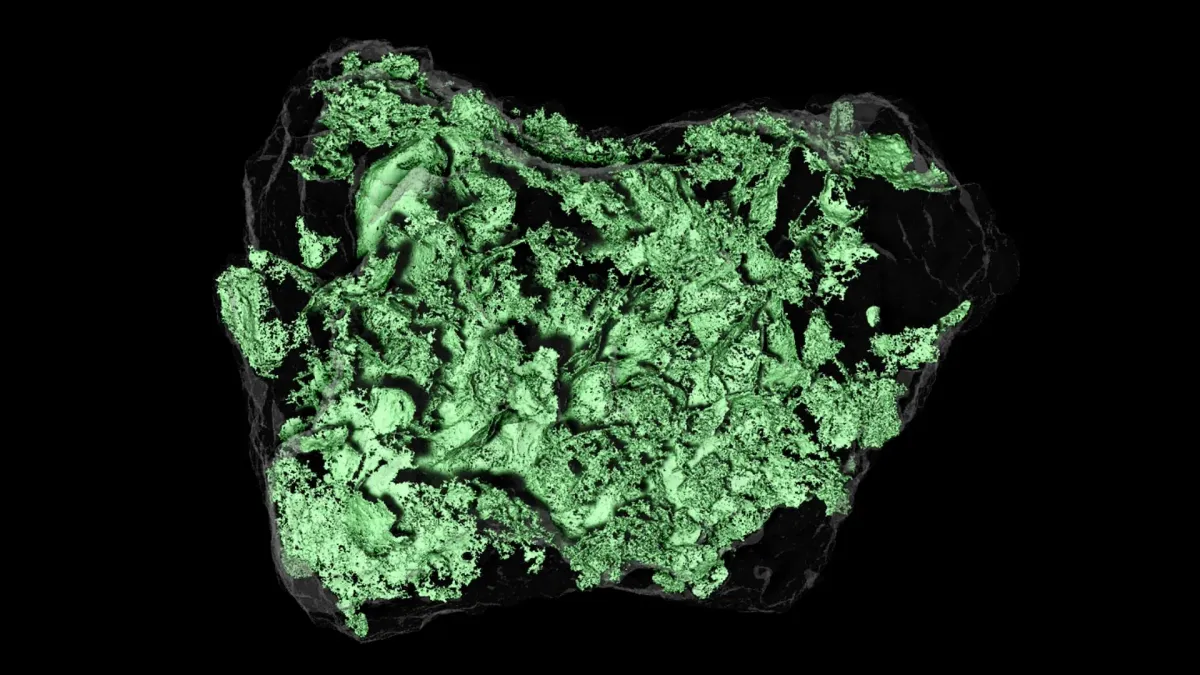
NASA solves a strange mystery hidden inside asteroid Bennu’s boulders - Science Daily
NASA's OSIRIS-REx mission encountered an unexpected mystery when it arrived at asteroid Bennu in 2018. Instead of the relatively smooth terrain that earlier observations had suggested, the spacecraft found a rugged landscape dominated by enormous boulders, with very few areas suitable for collecting samples. "When OSIRIS-REx got to Bennu in 2018, we were surprised by what we saw," said Andrew Ryan, a scientist at the University of Arizona's Lunar and Planetary Laboratory, who led the mission's working group responsible for analyzing the physical and thermal properties of its samples. "We expected some boulders, but we anticipated at least some large regions with smoother, finer regolith that would be easy to collect. Instead, it looked like it was all boulders, and we were scratching our heads for a while. "
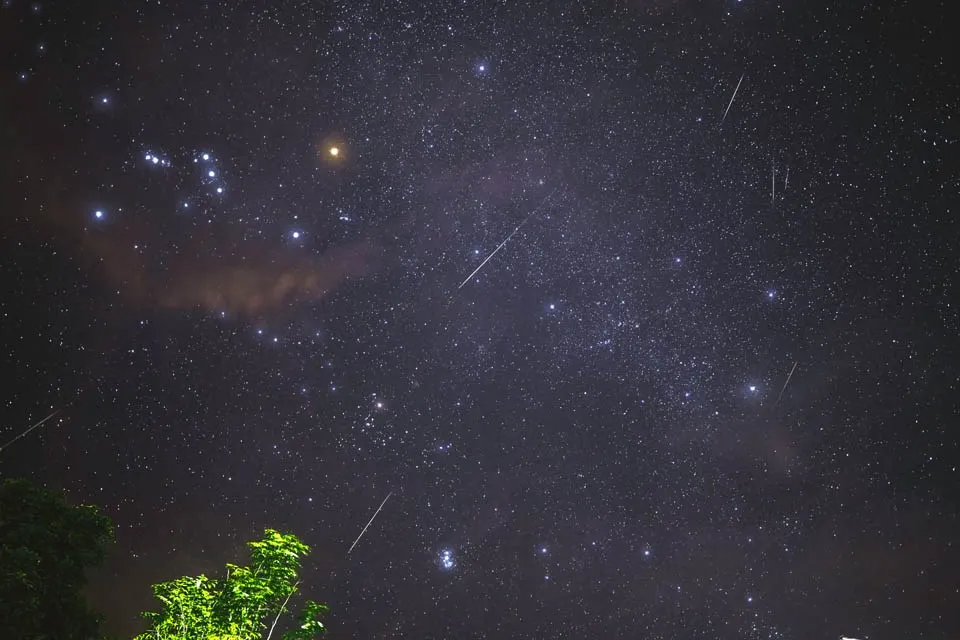
Orionid meteor shower: When to watch in Saskatchewan - GX94 Radio
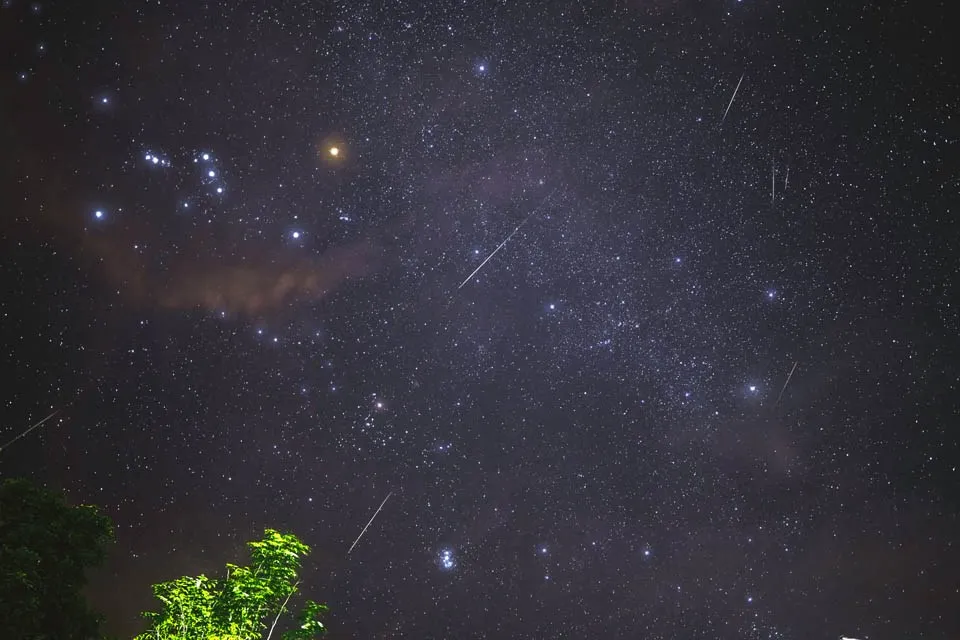
FORT McMURRAY, Alta. — There is just one week to go until the peak of the Orionid meteor shower. Skywatchers could see some of the fastest meteors of the year streaking across the predawn sky. The Orionids peak overnight Oct. 21 and 22 and can produce up to 20 meteors per hour under dark, favourable conditions. The shower is active from Oct. 2 through Nov. 7. The meteors are comprised of debris left behind by Halley’s Comet, which last passed by in 1986. As Earth passes through the comet’s debris stream each October, the particles strike the atmosphere at about 68 kilometres per second. Richard Covey, amateur astronomer, published astrophotographer and member of the Royal Astronomical Society of Canada, says the Orionids are especially appealing because of their speed and their connection to one of astronomy’s best-known comets. “You’re literally watching tiny pieces of Halley’s Comet burn up in the atmosphere. They’re moving incredibly fast, so the Orionids can produce some very sharp, impressive streaks across the sky.”Moonlight will make this year’s peak more challenging. The Moon will be bright around Oct. 21 and 22, washing out many of the fainter meteors for much of the night
Orionid meteor shower: When to watch in Saskatchewan - MooseJawToday.com
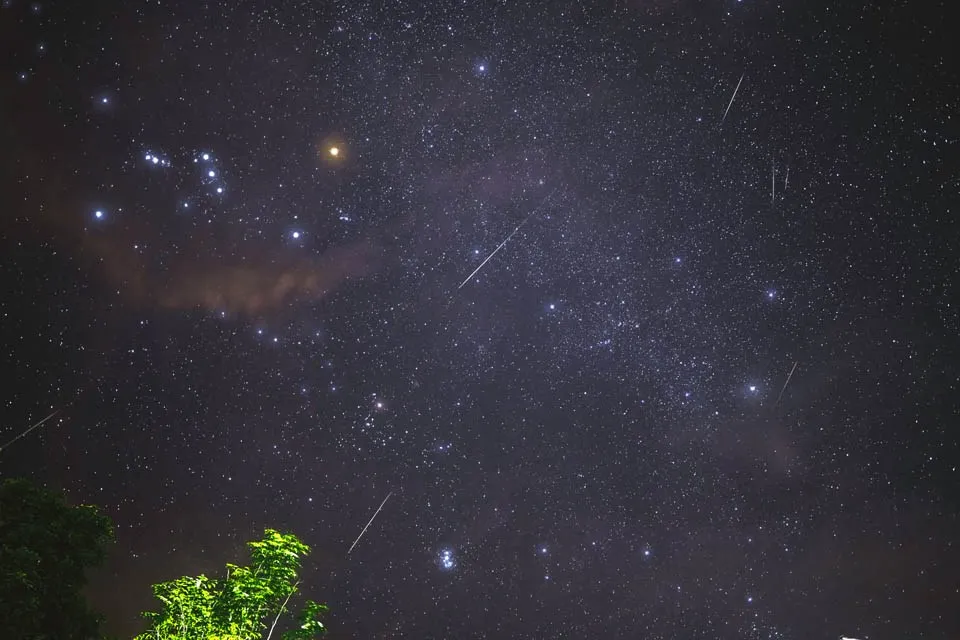
Orionids peak overnight Oct. 21 and 22 and can produce up to 20 meteors per hour.
Orionid meteor shower: When to watch in Saskatchewan - SaskToday.ca
Orionids peak overnight Oct. 21 and 22 and can produce up to 20 meteors per hour.
Nanoscale tech tracks proteins inside living neurons to guide Alzheimer's and Parkinson's drug discovery - Phys.org
A technology developed at The University of Queensland allowing scientists to observe how disease-related proteins behave inside living neurons will be used to advance early drug discovery for neurodegenerative diseases. The NASTIC (Nanoscale Spatiotemporal Indexing Clustering) platform, spun out into Brisbane-based startup Accretion Bio, enables researchers to study real-time biological processes in living cells across space and time at the single-molecule level for the first time.
0 comments
No comments yet. Be the first to share your thoughts!