How clinical trials shape patient care - Nova Scotia Health
This story deserves to be shared
Send it to someone who'd care, or post it on your networks.
This article is an excerpt. To read the full content, visit the original source. Nova Scotia Health
Related articles

What Is Culinary Medicine? Bridging Nutrition, Cooking, and Health - News-Medical
IntroductionWhy nutrition advice often falls shortWhat is culinary medicine? How cooking skills influence healthCulinary medicine in clinical practiceTeaching future healthcare professionalsChallenges and future directionsConclusions: Bringing nutrition science into everyday practiceReferencesFurther reading What happens when dietary advice becomes a cooking lesson? Teaching kitchens offer a setting to examine how food-preparation skills connect nutrition science to everyday patient care.
ADHD Medications for Managing Menopausal Brain Fog: Improvements in Subjective Executive Function - Psychiatric Times
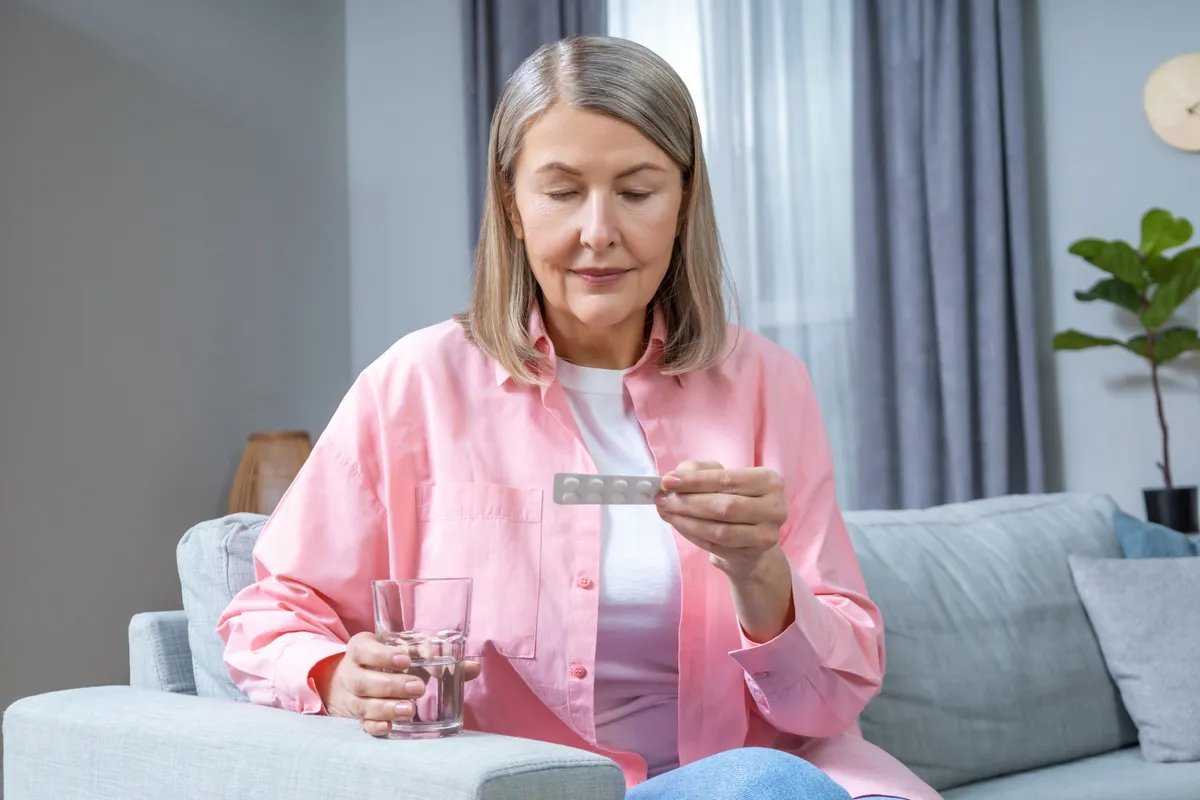
Review finds ADHD drugs may ease perimenopause brain fog and improve daily focus, but objective cognition gains remain unclear; larger safety and efficacy studies needed. According to a new review, attention-deficit/hyperactivity disorder (ADHD) medications may help improve brain fog in perimenopausal women. Investigators underwent a scoping review to better understand the potential of ADHD medications as a novel, targeted therapy to improve executive dysfunction experienced during women’s perimenopause period. They specifically looked at original research studies involving the ADHD medications lisdexamfetamine and atomoxetine, and their effects on cognition and ADHD symptom severity. Inclusion criteria included biological women 45 to 60 years of age with a last menstrual period less than 10 years ago. Exclusion criteria included transgender women, disordered sleep, surgical menopause, primary ovarian insufficiency, premature or early menopause, and previous or current cancer diagnosis. “Many women at perimenopause notice changes in focus, memory, and organization that look a lot like ADHD, and the two can be hard to tell apart.

COVID-19 and influenza effects in pregnancy; and more - The Transmitter
Maternal infection: A new study found only a modest association between having influenza during pregnancy and having a child with a neuropsychiatric condition, such as autism. The analysis used two cohorts with more than 2.7 million mother–child pairs, including more than 47,000 children exposed to maternal infection. A sibling-comparison assessment weakened the link to the point of not being statistically significant, suggesting that familial factors play a larger role than maternal infection. Another recent paper reported that COVID-19 infection during pregnancy does not increase the risk of neurodevelopmental conditions in children. The Transmitter has previously reported on the slight increase in autism likelihood observed with maternal infection. “Preserved intrinsic neural timescale organization with hierarchical variation in autism spectrum disorder” Cerebral Cortex
One-third of Australians could benefit from preventive heart attack and stroke medications: New risk assessment - Medical Xpress
Australia's updated cardiovascular disease risk calculator is identifying substantially more Australians aged 45–74 as being at "intermediate" risk of heart attack and stroke, according to new analysis published in the Medical Journal of Australia. The insights could provide patients and their general practitioners with a valuable opportunity to act early and prevent cardiovascular events.
Eco-friendly valorization of agricultural sawdust waste for efficient elimination of dye and antibiotic contaminants from aquatic environments - Nature
IntroductionHumans are at risk from freshwater resource depletion, so wastewater treatment has received a lot of attention recently1. Some of the agro-waste materials being investigated for their capacity to remove colors from aqueous solutions include coir pith, pine sawdust, tamarind fruit shell, bagasse, rice husk, orange peel, palm kernel shell, cashew shell, and wall nutshell2. One of the most popular adsorbents is sawdust, a plentiful and inexpensive by-product of the wood industry that has been evaluated and suggested for the removal of dyes. sawdust now plays a significant role in the adsorption of wastewater contaminants. Because it includes numerous functional groups like carboxyl, hydroxyl, phenolic, and amide groups in its structure, which may be advantageous for adsorbing a wide range of dyes3,4. Today, the most widely used adsorbent is activated carbon, a carbonaceous solid. It can be created from any substance that has a significant amount of carbon. It is widely used to remove a variety of colours from wastewater using activated carbon. Many industries, including the textile, plastic, and paper industries, use these colors.
0 comments
No comments yet. Be the first to share your thoughts!