ADHD Medications for Managing Menopausal Brain Fog: Improvements in Subjective Executive Function - Psychiatric Times
This story deserves to be shared
Send it to someone who'd care, or post it on your networks.

Review finds ADHD drugs may ease perimenopause brain fog and improve daily focus, but objective cognition gains remain unclear; larger safety and efficacy studies needed. According to a new review, attention-deficit/hyperactivity disorder (ADHD) medications may help improve brain fog in perimenopausal women. Investigators underwent a scoping review to better understand the potential of ADHD medications as a novel, targeted therapy to improve executive dysfunction experienced during women’s perimenopause period. They specifically looked at original research studies involving the ADHD medications lisdexamfetamine and atomoxetine, and their effects on cognition and ADHD symptom severity. Inclusion criteria included biological women 45 to 60 years of age with a last menstrual period less than 10 years ago. Exclusion criteria included transgender women, disordered sleep, surgical menopause, primary ovarian insufficiency, premature or early menopause, and previous or current cancer diagnosis. “Many women at perimenopause notice changes in focus, memory, and organization that look a lot like ADHD, and the two can be hard to tell apart.
This article is an excerpt. To read the full content, visit the original source. Psychiatric Times
Related articles

Transdermal nitroglycerin patches show potential for managing menopausal hot flashes - News-Medical
Hot flashes are the most frequent symptom of perimenopause and menopause, affecting 75% to 85% of women. In recent years, there has been a spike in the number of nonhormone options for managing hot flashes. A new study suggests that transdermal nitroglycerin may be an option. Results of the study will be presented at the 2026 Annual Meeting of The Menopause Society in San Diego October 20-24, 2026. Menopausal hot flashes are not life-threatening, but frequent or severe episodes can significantly disrupt daily life. It is estimated that between 10% and 30% of women have symptoms that are severe enough to impair daily activities, work performance, and overall quality of life. Night sweats can disrupt sleep, leading to chronic fatigue, irritability, and mood changes.

Guideline Developed for Treatment of Menopausal Vasomotor Symptoms - The Cardiology Advisor
The American College of Physicians published a clinical guideline featuring recommendations for the treatment of women with menopausal vasomotor symptoms. HealthDay News — Recommendations are presented for the treatment of women with menopausal vasomotor symptoms in a clinical guideline issued by the American College of Physicians and published online Oct. 6 in the Annals of Internal Medicine.
Inconsistent health records limit care and research for menopausal women - News-Medical
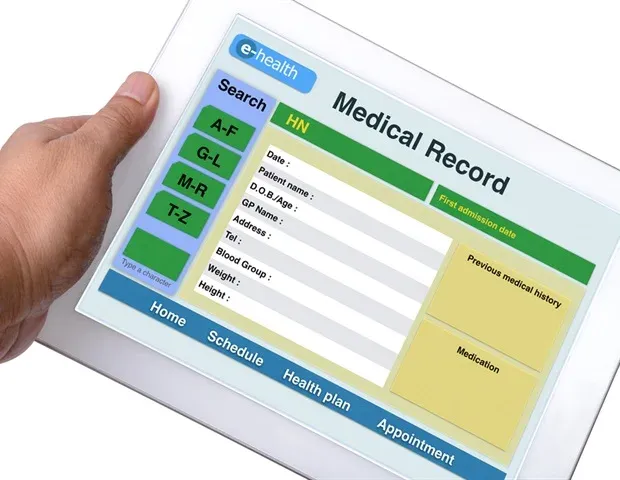
More attention than ever is being paid today to midlife women's health, including the menopause transition. However, a new scoping review reveals that ongoing inconsistencies and gaps in documentation of symptoms, menopause status, and reproductive stage in electronic health record (EHR) systems are preventing consistent quality care, research analysis, and positive health outcomes. Scoping review results are published online today in Menopause, the journal of The Menopause Society. Approximately 1.3 million US women enter the menopause transition each year, with an estimated 1.1 billion women globally classified as postmenopausal. Although menopause is a normal life stage, it is associated with a wide range of symptoms and long-term health consequences affecting cardiovascular, musculoskeletal, neurologic, and mental health systems. Common symptoms, including hot flashes, sleep disturbances, mood changes, joint pain, and genitourinary symptoms, are frequently reported but are often inconsistently documented in clinical records.

Hormone therapy linked to more frequent and longer-lasting migraines - News-Medical
Migraines are estimated to affect 10% to 29% of women during the menopause transition, when migraines often worsen and become more frequent, especially during perimenopause. This is due to unpredictable estrogen drops. A new study suggests postmenopausal women using hormone therapy will experience more frequent, longer-lasting migraines. Results of the study will be presented at the 2026 Annual Meeting of The Menopause Society in San Diego October 20-24, 2026. Hormone therapy has proven to be successful in managing a wide array of bothersome menopause symptoms, especially hot flashes. A challenge, however, is that fluctuations in estrogen levels may influence migraines.

Premature menopause linked to higher heart disease risk and insulin levels - News-Medical
Premature menopause is associated with an increased risk of several long-term health problems due to estrogen deficiency. Cardiovascular disease (CVD) is one of those health risks. However, the underlying cardiometabolic causes are unclear. A new study suggests a possible connection with insulin levels. Results of the study will be presented at the 2026 Annual Meeting of The Menopause Society in San Diego, October 20-24, 2026. Premature menopause is defined as menopause that occurs before the age of 40 years. Only about 1% of women experience it. Women who experience premature menopause have a longer duration of postmenopause life and have been reported to have higher risks of several adverse health outcomes, including cardiovascular disease and osteoporosis.

Menopause-related psychological burdens may push women to leave jobs - News-Medical
Turnover related to menopause has become a critical global socioeconomic challenge, affecting female career longevity and organizational productivity. A new study suggests that, although many employers have attempted to make special accommodations in the workplace, they fail to address a woman's increased psychological burdens related to the menopause transition. Results of the study will be presented at the 2026 Annual Meeting of The Menopause Society in San Diego, October 20-24, 2026. In a new study coming out of Japan, researchers looked at more than 1,600 perimenopausal and postmenopausal working women aged 45 to 60 years. They identified 13 independent variables to control for potential confounding: age, marital status, annual income, exercising habits, psychiatric history, caregiving roles, the three distinct subscales of the Menopause Rating Scale (MRS: psychological, somatic, and urogenital subscales), and treatment-necessity awareness.
0 comments
No comments yet. Be the first to share your thoughts!