Housing, arts hub set to rise around historic Victoria church near downtown - Victoria News
This story deserves to be shared
Send it to someone who'd care, or post it on your networks.
This article is an excerpt. To read the full content, visit the original source. Victoria News
Related articles
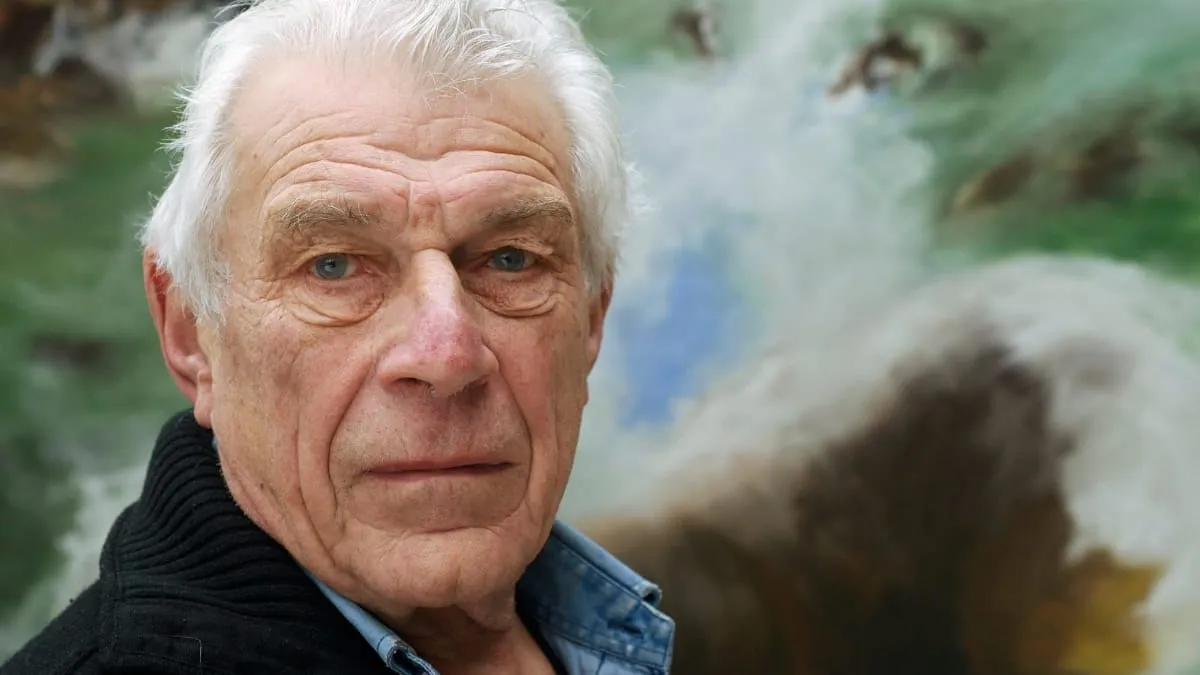
Art Books on Needles and Threads
We recommend titles on fiber art, weaving, and textiles, plus Megan O’Grady on a new John Berger biography. So much has been said about John Berger over the past five decades that it almost feels trite to pile on. You know the familiar takeaways: that the critic and novelist taught us how to look and pay attention, believed art belongs to the people, exposed how the male gaze shapes our perception. So, it’s especially astounding that a new biography by Tom Overton has managed to both capture the scope of Berger’s influence and reframe him, first and foremost, as human. Author Megan O’Grady, who reflects on many of the same questions as Berger in her recent book How It Feels to Be Alive: Encounters with Art and Our Selves, penned a sensitive review of the biography and its approach to addressing the complex personal life of this near-mythologized figure. It’s a poignant, refreshing read, and reminds me of the conversation around the sanctification of artists and writers like James Baldwin, whose work gets flattened in the process. In fact, how we tell the story of an artist’s life (and afterlife) just might be our primary preoccupation this month.

Hundreds Protest in Colombia After Far-Right President Removes Works From National Museum
Hundreds protested at Colombia’s national museum in Bogotá this weekend, days after the country’s far-right government ordered the removal of objects addressing political violence, women’s rights, and LGBTQ+ history — including a rainbow Pride Flag — in a move straight out of the Trumpian playbook. Inside the museum, images taken by locals showed stripped-down gallery walls bearing the haunting silhouettes of dismantled pamphlets and photographs; at the entrance, rows of police in riot gear stood at the ready to suppress demonstrators with water cannons and stun grenades. Under the order of President Abelardo De La Espriella, approximately 30 artworks referencing LGBTQ+ and feminist movements, victims of state violence, and the “Acuerdo de Paz,” the 2016 peace negotiations between the Revolutionary Armed Forces of Colombia (FARC) and the government, were removed from display at the Museo Nacional de Colombia last week.
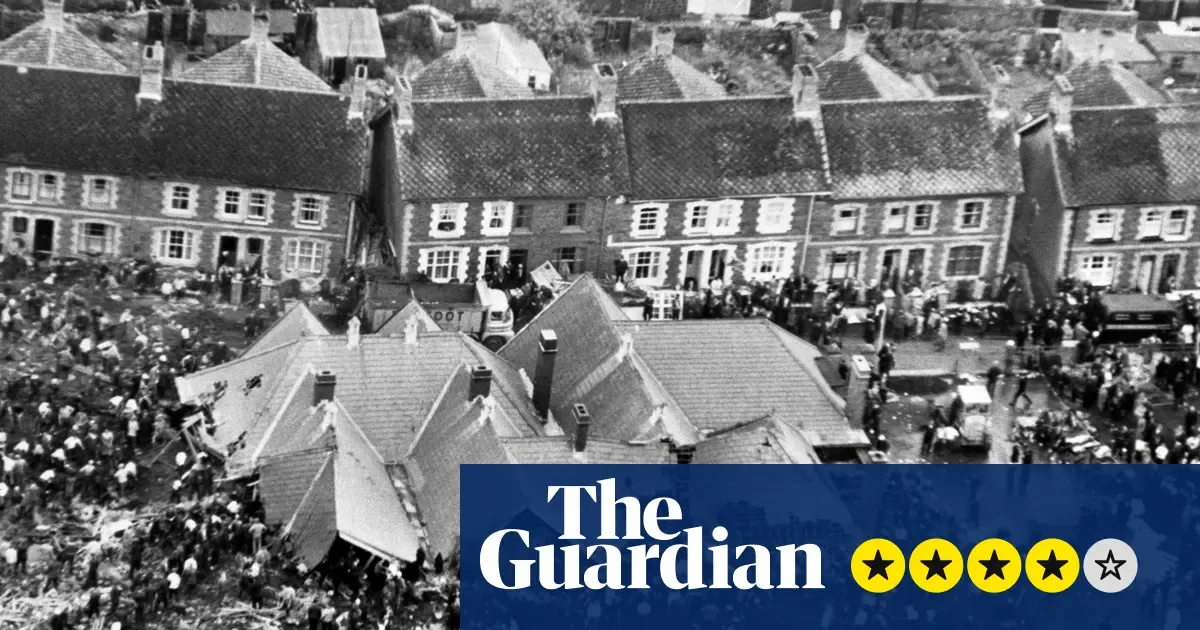
Aberfan: The Village That Fought Back review – the contempt they have faced to get justice is sickening
‘I’d like to have known her that bit longer, really. Those eight years went very, very quickly. I loved the child. I lost her. And that seemed to me to be the end of everything really, when she’d gone.”Ray Lee, now 90, lost his daughter Anne on 21 October 1966. It was the day her primary school, along with several surrounding houses, in Aberfan was engulfed by an estimated 100,000 tonnes of slurry from one of the colliery spoil tips that overshadowed the Welsh mining village. Anne was one of 116 children killed, alongside 28 adults.‘It seemed to be the end of everything’ … Ray Lee, who lost his daughter Anne in the disaster. Photograph: BBC Studios/Mei WilliamsGaynor Madgwick (nee Minett) was in the same school and was the same age as Anne when the disaster struck, but she was catapulted back to the far wall by the initial impact and, although severely injured, survived. Her grandfather dug her out. When she asked her father that evening, in hospital, where her brother and sister were, he told her they had both gone to heaven. Marlene Gerlach remembers screaming and screaming for her three children across the unrecognisable school site. They all survived.
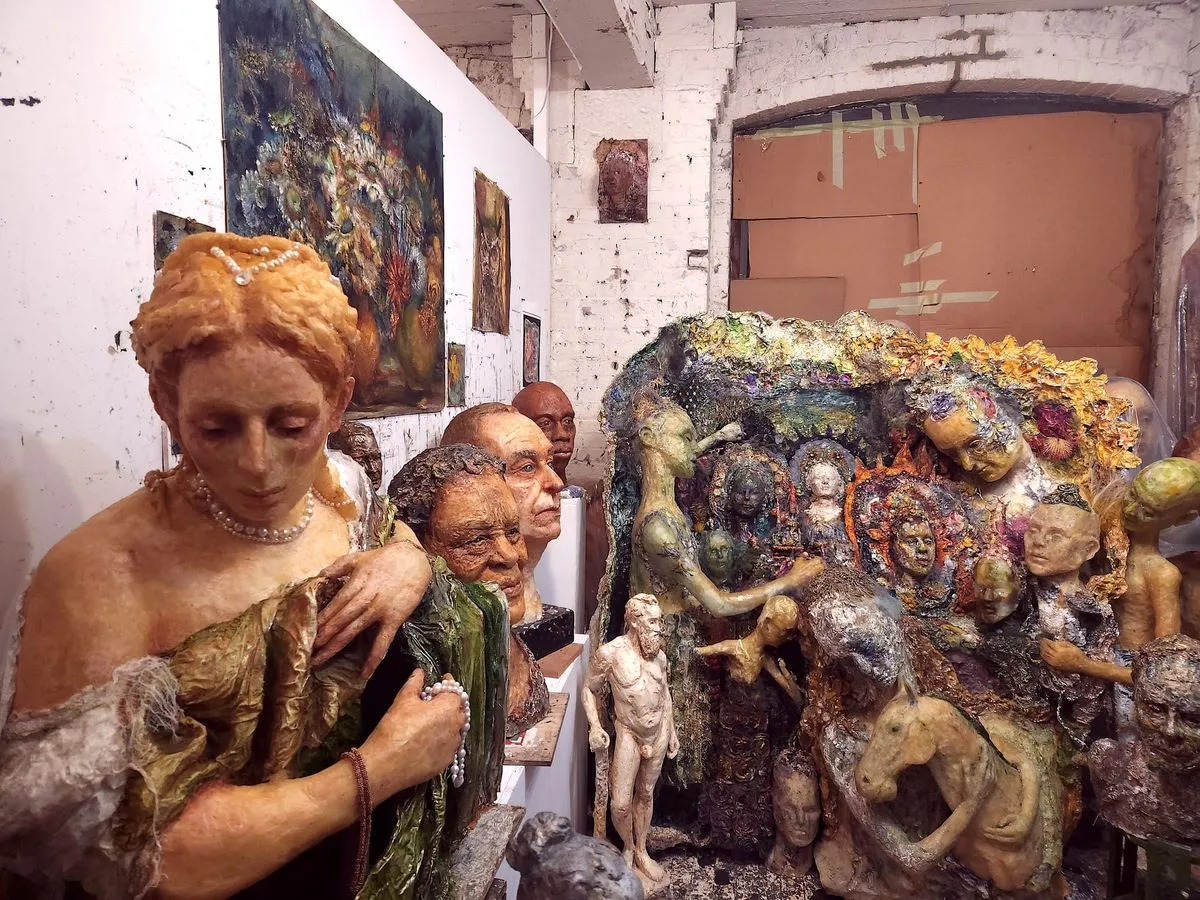
Gowanus Open Studios Turns 30
This year’s iteration of the artistic assembly was a love letter to the neighborhood and its craftsmanship amid an era of remediation, development, and gentrification. Figurative beeswax sculptures in Lesley Kushner's Gowanus-based art studio (all photos Rhea Nayyar/Hyperallergic)
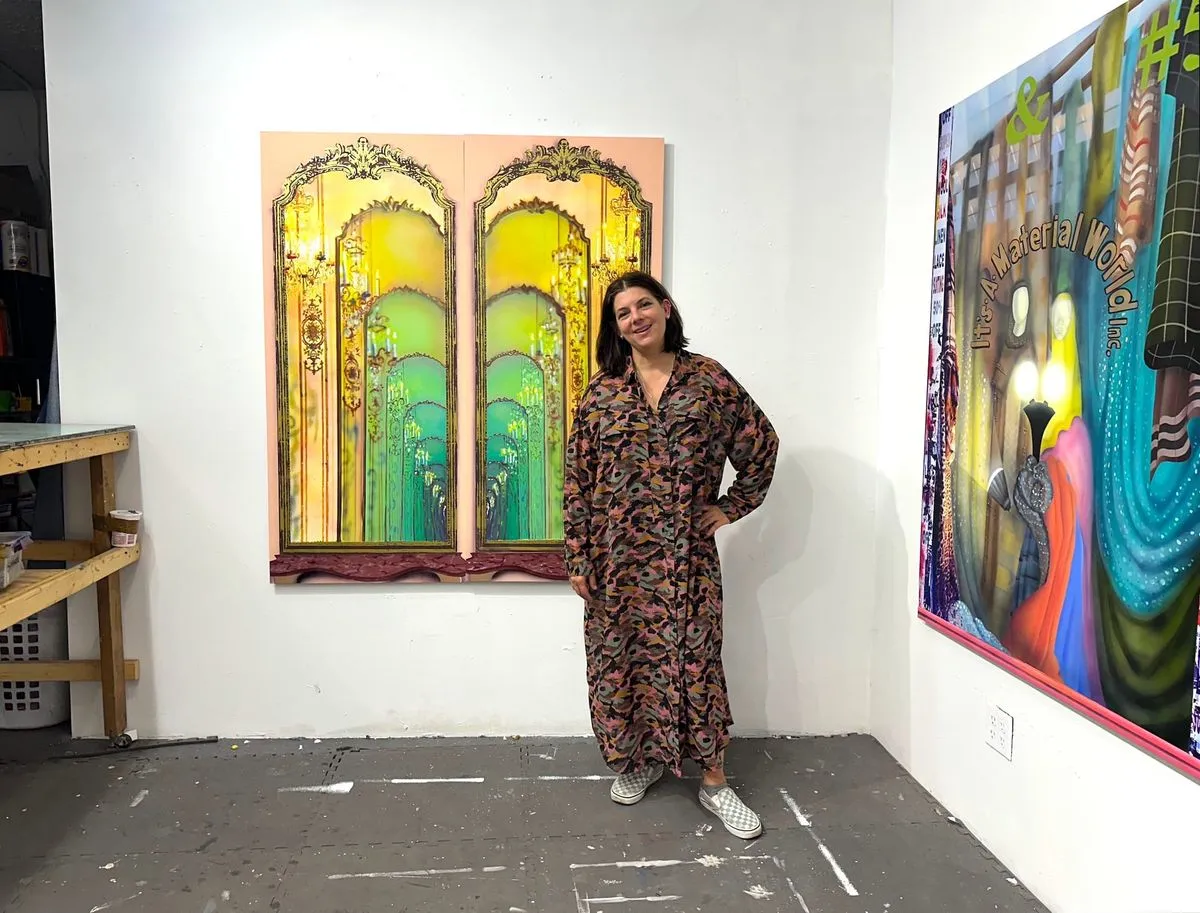
Beer With a Painter: Melissa Brown
“I want to visualize the fact that, despite our perception, reality is changeable,” the Brooklyn-based artist said of her paintings. Melissa Brown in her Brooklyn studio (photo Jennifer Samet/Hyperallergic; all other photos Adam Reich, courtesy the artist)
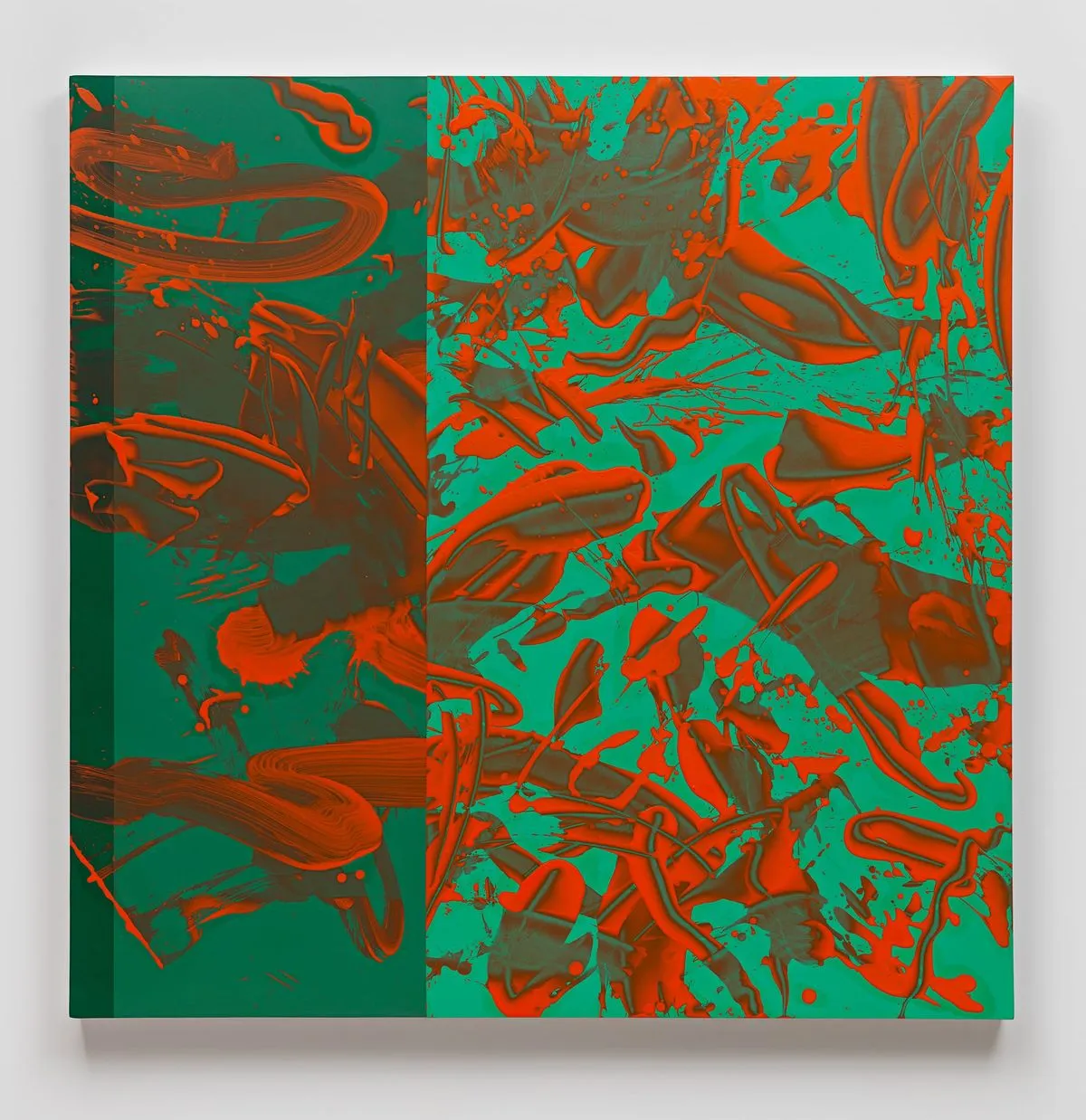
David Reed Went Where Lichtenstein Wouldn’t
He brought his optical preoccupations into the 21st century, without losing his love of artists from earlier eras. David Reed, "#808" (2024–26), oil and acrylic on polyester (all photos courtesy Rodder)
0 comments
No comments yet. Be the first to share your thoughts!