HFSA 2026: ATTRibute-CM Analysis; LINK-HF2 Results; More - American College of Cardiology
This story deserves to be shared
Send it to someone who'd care, or post it on your networks.
New science presented at HFSA 2026 and simultaneously published in JACC: Heart Failure spans several evolving areas in heart failure (HF), from ATTR-CM biomarkers and measures of physical function to predictors of adverse outcomes in transplant recipients to artificial intelligence (AI) wearables enhancing discharge care following HF hospitalization.
A post-hoc analysis of ATTRibute-CM biomarker data from 587 participants (mean age, 77 years; 9% women) found that an integrated biomarker ratio of log2-transformed serum transthyretin (sTTR) at day 28 to log2-transformed NT-proBNP at month 12 was associated with subsequent risk of all-cause mortality or first cardiovascular-related hospitalization in transthyretin amyloid cardiomyopathy (ATTR-CM). Each 0.1-unit increase in the ratio (reflecting higher sTTR relative to NT-proBNP) was associated with a 63% lower adjusted risk of the composite outcome (hazard ratio [HR], 0.37; p<0.001). However, investigators Peder L.
This article is an excerpt. To read the full content, visit the original source. American College of Cardiology
Related articles

Japan's Digital Agency to Launch My Number Card on Android on Oct. 20; Attribute Verification Limited to Select Devices - BigGo Finance
Japan's Digital Agency on Oct. 19 published the list of compatible devices for the "My Number Card on Android" service it will begin offering the following day, Oct. 20. The initiative loads My Number Card functions onto smartphones, enabling identity and age verification without presenting the physical card, but the newly added "attribute verification function" will be available only on a limited set of devices. Support varies even among devices from the same manufacturer, so users will likely need to check in advance. On Android, a service that stores the My Number Card's electronic certificate on smartphones has been available since 2023. It has been used for checking medication, medical expense and pension information on the Myna Portal, filing tax returns, completing online procedures such as moving, and obtaining copies of residence certificates at convenience stores. With the new service launching Oct. 20, users will be able to use the attribute verification function—which lets them add their My Number Card to Google Wallet and prove their name, address, date of birth and other details—on top of these existing features.
New clinical decision support tool aims to improve chronic kidney disease care - News-Medical
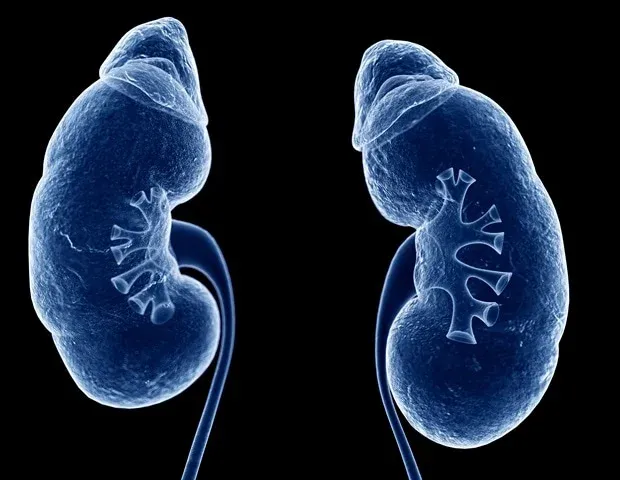
Investigators have developed and validated a clinical decision support tool to improve the diagnosis and treatment of chronic kidney disease (CKD) at the point of care. The research will be presented at ASN Kidney Week 2026 October 22–25. Called Treat CKD, the tool draws on electronic health records data to identify CKD, classify risk by Kidney Disease: Improving Global Outcomes criteria, calculate kidney failure risk using the Kidney Failure Risk Equation, estimate cardiovascular risk using American Heart Association PREVENT equations, and provide recommendations for albuminuria testing, blood pressure management, cholesterol-lowering therapy, cardio-kidney therapies, and nephrology referral.
Counseling Kidney Donors on Future Pregnancy, With Amit Garg, MD, PhD - HCPLive
Future pregnancy plans don’t preclude living kidney donation, but candidates should be counseled on gestational hypertension risk. Future pregnancy plans need not rule out living kidney donation, but candidates should be counseled on hypertensive risk. New data on pregnancy after living kidney donation give transplant teams clearer numbers to share with donor candidates who may want children in the future.¹In a matched cohort study from 3 Canadian provinces, presented at American Society of Nephrology (ASN) Kidney Week 2026 by Amit X. Garg, MD, PhD, and published simultaneously in JAMA, most donor pregnancies were uncomplicated, with a modest increase in hypertensive disorders of pregnancy.¹ Will Donating a Kidney Affect Future Pregnancies? In 2024, more than 40,000 living kidney donations were reported across 88 countries.¹ For donors who may become pregnant later, Garg said the central question is whether donation will affect those pregnancies.

Interpreting Kidney Donor Pregnancy Signals, With Amit Garg, MD, PhD - HCPLive
News|Videos|October 22, 2026 Chance, biology, and shared genetics may explain more small for gestational age births after living kidney donation. Small for gestational age births and shared donor-recipient genetics complicate the picture of pregnancy after living kidney donation. Investigators behind a new Canadian study of pregnancy after living kidney donation are weighing why donors had more small for gestational age (SGA) births than matched nondonors, and whether shared genetics with recipients could play a role.¹The matched cohort study, presented at American Society of Nephrology (ASN) Kidney Week 2026 by Amit X. Garg, MD, PhD, and published simultaneously in JAMA, spanned 3 provinces and also found a modest increase in hypertensive disorders of pregnancy among donors.¹ How Did the Study Compare Donors and Nondonors? Using linked administrative health databases from Ontario, British Columbia, and Alberta, investigators compared 385 pregnancies in 252 living kidney donors with 1,540 matched pregnancies in 1,535 nondonors.¹ To reflect donors’ healthier baseline profile, nondonors with any of 35 conditions that would preclude donation were excluded.
Health officials urging vaccination as B.C. leads all provinces in flu infections - CFJC Today Kamloops
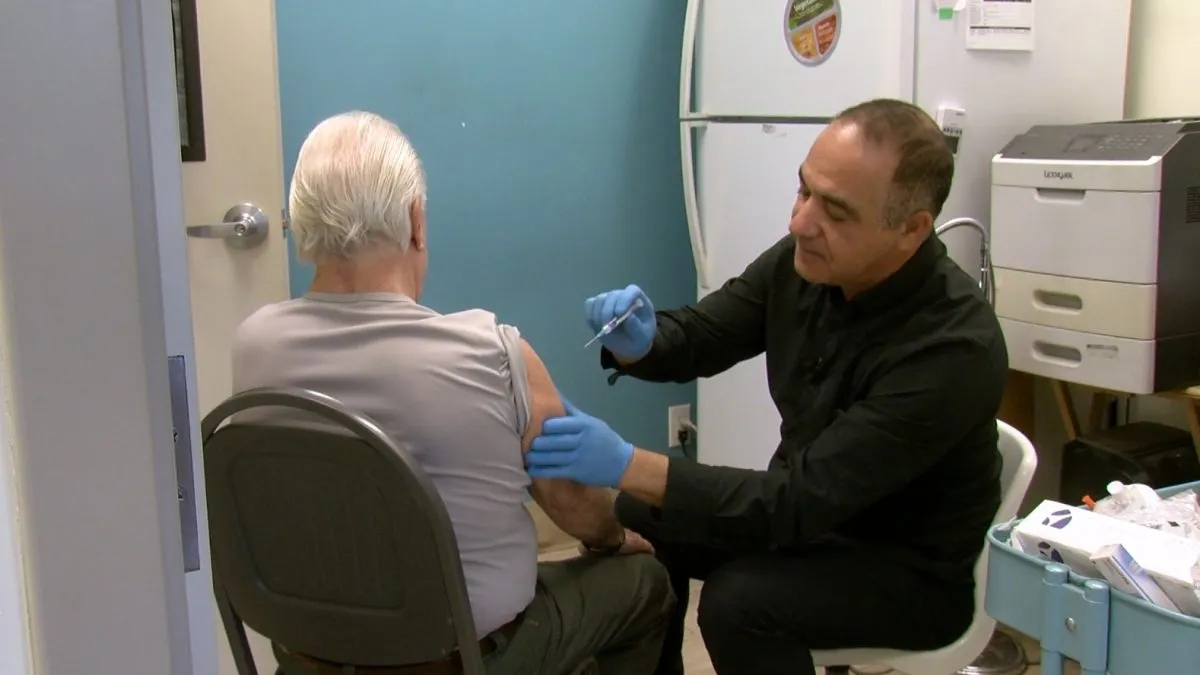
Earlier this month, Provincial health officer Dr. Bonnie Henry said the province had secured almost two million doses of this season’s flu vaccine and 1.5 million doses of an updated COVID-19 vaccine. Appointments began after Thanksgiving starting with people most at risk. “Vaccinations are the cornerstone of protection,” Dr. Muhammad Mukarram, a medical health officer at Interior Health added. “Last year as well, we had a small spike in the number of cases and once we started giving out immunizations and a major proportion of the population was vaccinated, the cases started to plateau.”According to the data, flu activity in B. C. was moderate with between 9.8 and 17.7 per cent of cases testing positive for the week ending Oct. 10. Flu activity in Alberta and the territories was low, while all other provinces were reporting very low flu activity. “These rates tend to fluctuate a lot. For example, tomorrow, you might find out that Ontario has more number of cases,” Mukarram added, noting B. C. rates could be higher because more testing is taking place.
0 comments
No comments yet. Be the first to share your thoughts!