Health research connects community - UVic News
This story deserves to be shared
Send it to someone who'd care, or post it on your networks.
This article is an excerpt. To read the full content, visit the original source. UVic News
Related articles

Postpartum psychosis symptoms frequently dismissed as standard baby blues - News-Medical
In an interview-based study in the Journal of Advanced Nursing including 15 Australian women diagnosed with postpartum psychosis over the past 10 years, women reported that they made multiple attempts to seek medical help and support, yet they encountered delayed recognition, inadequate assessment and, at times, dismissal or minimization of their concerns. Postpartum psychosis, which typically arises within the first 2 weeks after childbirth, can cause various symptoms, but episodes commonly present with acute mania, depression, and delusions and/or hallucinations, as well as sleep disturbances, abnormal thought content, irritability, mood swings, paranoia, restlessness, and catatonia.
Africa faces most geographically widespread Ebola outbreak on record as DR Congo cases near 10,000 - Xinhua
KINSHASA, Oct. 21 (Xinhua) -- Africa is grappling with "the most geographically widespread Ebola outbreak in history", according to the Africa Centres for Disease Control and Prevention (Africa CDC), as infections in the Democratic Republic of the Congo (DRC) approach 10,000 and newly reported cases in Kenya and Nigeria raise concerns over the virus's spread across borders. Africa CDC Director-General Jean Kaseya warned Tuesday that the outbreak had already affected multiple countries across three regions of Africa, calling for urgent international support to contain further transmission. Nearly five months after the outbreak was declared in the DRC, the epidemic has claimed more than 4,600 lives in the country and spread to eight of its 26 provinces, while imported infections have exposed vulnerabilities in cross-border disease surveillance. CROSS-BORDER SPREAD RAISES ALARM Nigeria on Tuesday confirmed its first case of Ebola caused by the Bundibugyo virus, the same strain responsible for the ongoing epidemic in the DRC, becoming the fifth country to detect the virus since the outbreak began in May, according to the Nigerian health authorities.
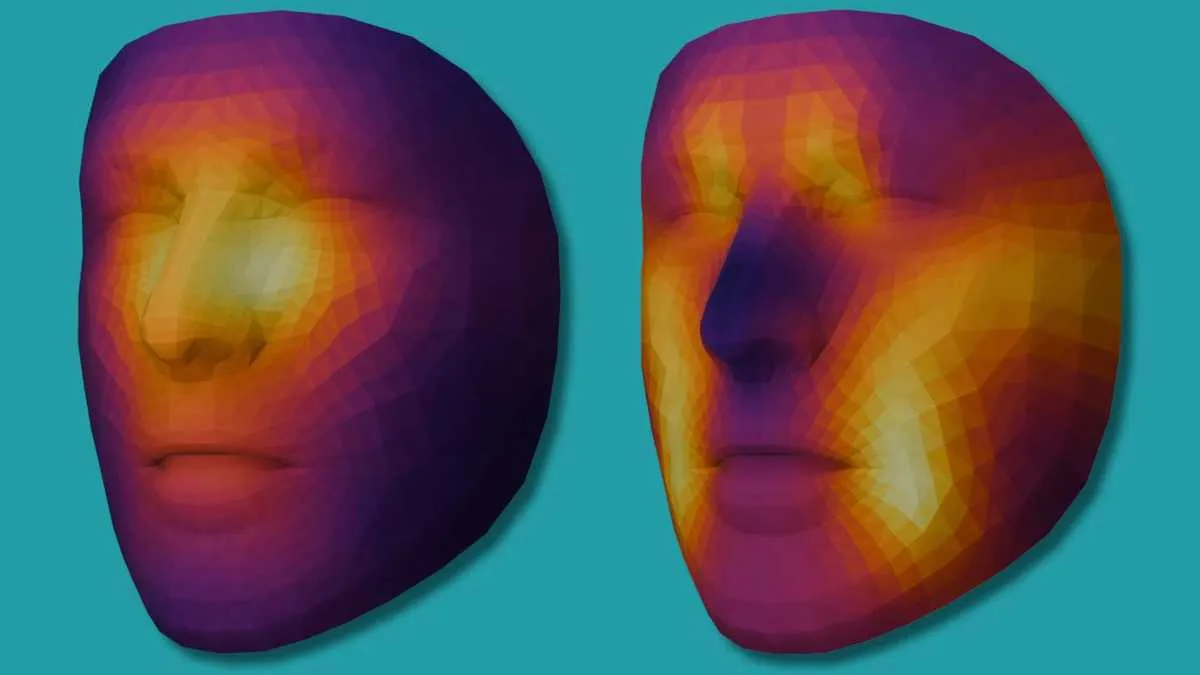
How a photo of a person’s face could help predict whether they’ll survive cancer treatment - Gulf Coast News and Weather
How a photo of a person’s face could help predict whether they’ll survive cancer treatmentA simple selfie could hold surprising clues to your overall health and longevity, especially among people with cancer. Researchers at Mass General Brigham in Boston have developed artificial intelligence models that they say can predict a cancer patient’s biological age and chances of survival using nothing more than a single photograph of their face. Related video above | What to know about lung cancer and when to get screenedThe research, published Monday in the journal The Lancet Digital Health, suggests that facial analysis could become an additional tool for doctors to consider when evaluating a patient’s chances of survival and when deciding which treatment approaches may work best for their cancer patients. “I was pretty surprised to find out that we could pick up signs of mortality risk from just a facial photograph,” said study author Dr. Raymond Mak, a radiation oncologist at Mass General Brigham Cancer Institute and a faculty member in the Artificial Intelligence in Medicine program at Mass General Brigham.
0 comments
No comments yet. Be the first to share your thoughts!