Africa faces most geographically widespread Ebola outbreak on record as DR Congo cases near 10,000 - Xinhua
This story deserves to be shared
Send it to someone who'd care, or post it on your networks.
KINSHASA, Oct. 21 (Xinhua) -- Africa is grappling with "the most geographically widespread Ebola outbreak in history", according to the Africa Centres for Disease Control and Prevention (Africa CDC), as infections in the Democratic Republic of the Congo (DRC) approach 10,000 and newly reported cases in Kenya and Nigeria raise concerns over the virus's spread across borders. Africa CDC Director-General Jean Kaseya warned Tuesday that the outbreak had already affected multiple countries across three regions of Africa, calling for urgent international support to contain further transmission. Nearly five months after the outbreak was declared in the DRC, the epidemic has claimed more than 4,600 lives in the country and spread to eight of its 26 provinces, while imported infections have exposed vulnerabilities in cross-border disease surveillance. CROSS-BORDER SPREAD RAISES ALARM Nigeria on Tuesday confirmed its first case of Ebola caused by the Bundibugyo virus, the same strain responsible for the ongoing epidemic in the DRC, becoming the fifth country to detect the virus since the outbreak began in May, according to the Nigerian health authorities.
This article is an excerpt. To read the full content, visit the original source. Xinhua
Related articles
Africa faces most geographically widespread Ebola outbreak on record as DR Congo cases near 10,000 - Xinhua
KINSHASA, Oct. 21 (Xinhua) -- Africa is grappling with "the most geographically widespread Ebola outbreak in history", according to the Africa Centres for Disease Control and Prevention (Africa CDC), as infections in the Democratic Republic of the Congo (DRC) approach 10,000 and newly reported cases in Kenya and Nigeria raise concerns over the virus's spread across borders. Africa CDC Director-General Jean Kaseya warned Tuesday that the outbreak had already affected multiple countries across three regions of Africa, calling for urgent international support to contain further transmission. Nearly five months after the outbreak was declared in the DRC, the epidemic has claimed more than 4,600 lives in the country and spread to eight of its 26 provinces, while imported infections have exposed vulnerabilities in cross-border disease surveillance. CROSS-BORDER SPREAD RAISES ALARM Nigeria on Tuesday confirmed its first case of Ebola caused by the Bundibugyo virus, the same strain responsible for the ongoing epidemic in the DRC, becoming the fifth country to detect the virus since the outbreak began in May, according to the Nigerian health authorities.
Global study aims to map brain changes across eight psychiatric disorders - News-Medical
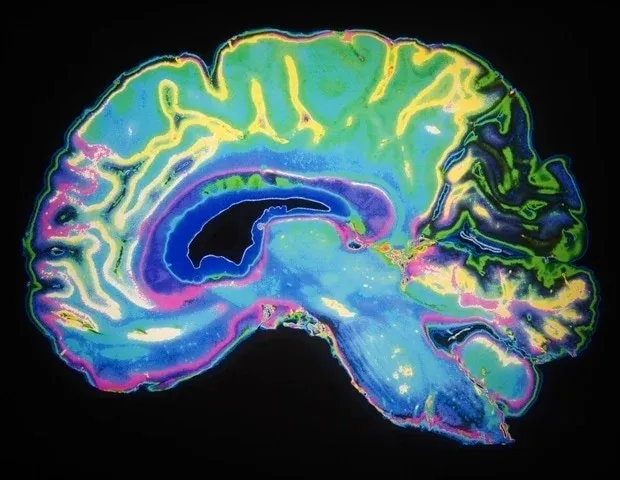
Researchers from the Mark and Mary Stevens Neuroimaging and Informatics Institute (Stevens INI) at the Keck School of Medicine of USC will lead a worldwide effort to map how eight common psychiatric disorders affect brain function, supported by a five-year, $3.2 million grant from the National Institutes of Health. The Global Initiative for Harmonized Functional MRI in Psychiatry will analyze over 94,000 brain scans collected at 257 research sites in 27 countries, from participants ages 4 to 95. The project covers schizophrenia, bipolar disorder, major depressive disorder, post-traumatic stress disorder (PTSD), obsessive-compulsive disorder (OCD), attention-deficit/hyperactivity disorder (ADHD), autism spectrum disorder, and anorexia nervosa. The investigators say it will be the largest functional MRI study ever conducted, both in the number of people scanned and the number of labs taking part.

Dr. Brown: Before celebrating supposed Alzheimer’s treatment, a word of caution - Niagara Now
Every once in a while, some oddball treatment for difficult to treat diseases emerges. In my career, one example was the Zamboni treatment for multiple sclerosis, which took the MS world of patients, caregivers and some governments by storm, especially in Canada in 2009. Paolo Zamboni was an Italian vascular surgeon who proposed the radical idea that MS was caused by obstructions of draining views from the brain and spinal cord, for which he proposed opening the veins by balloon catheters inserted into the affected veins and then inflating them.
Canadian study links ultra-processed foods to signs of vascular brain injury - CityNews Montreal
Informations complètes et à jour, compilées par Google Actualités à partir de sources d'actualité du monde entier

'Betrayed by my body': The taboo health issue women are talking about on social media - BBC
'Betrayed by my body': The taboo health issue women are talking about on social media3 hours agoElena BaileyHealth reporterBBCAdrianne says her chronic UTI has impacted her physically and mentally"The impact goes far beyond what people understand - we're talking about pain, urgency, sleepless nights and missing out on your life," Adrianne tells her roughly 8,000 followers in a video on TikTok. For nearly five years, Adrianne has lived with a chronic urinary tract infection (UTI) - a condition it took her two years to get a diagnosis for. In that time she was wrongly told it was colon cancer, Crohn's disease or even that her partner must have been cheating and had given her a sexually transmitted infection. What started as one UTI in 2022 became a debilitating cycle. "It has completely stripped me of everything: being able to work properly, my relationships, my friendships, going out, being able to have a normal social life," says Adrianne, who works in digital marketing in London. The 29-year-old was eventually diagnosed privately with a chronic UTI - something experts estimate could affect up to 1.7 million women in the UK. Men and children are also affected.

Diabetes and ADHD drugs to be tested on Alzheimer's patients in new study - BBC
3 hours agoFergus WalshMedical editorBBCA clinical trial has been launched in the UK which scientists hope could cut years from the search for new treatments for Alzheimer's disease. It will test multiple drugs simultaneously, starting with two repurposed medicines already used to treat type 2 diabetes and attention deficit hyperactivity disorder (ADHD). The study will examine whether the drugs can lessen symptoms such as memory and thinking problems, and help people maintain their quality of life. Angela Bucksey, 67, from Cambridgeshire, was diagnosed with Alzheimer's in January and is the first person to begin treatment on the trial, called AD-SMART. "We have Alzheimer's in the family," she told the BBC. "My mother had it and my aunts, so it was a disappointment rather than a shock when I was diagnosed because I knew it would restrict my life. "But I was determined that it wasn't going to define me. "Angela said she felt empowered joining the trial because "at least you are doing something". "Instead of just sitting there, you're standing up and saying, I will fight back.
0 comments
No comments yet. Be the first to share your thoughts!