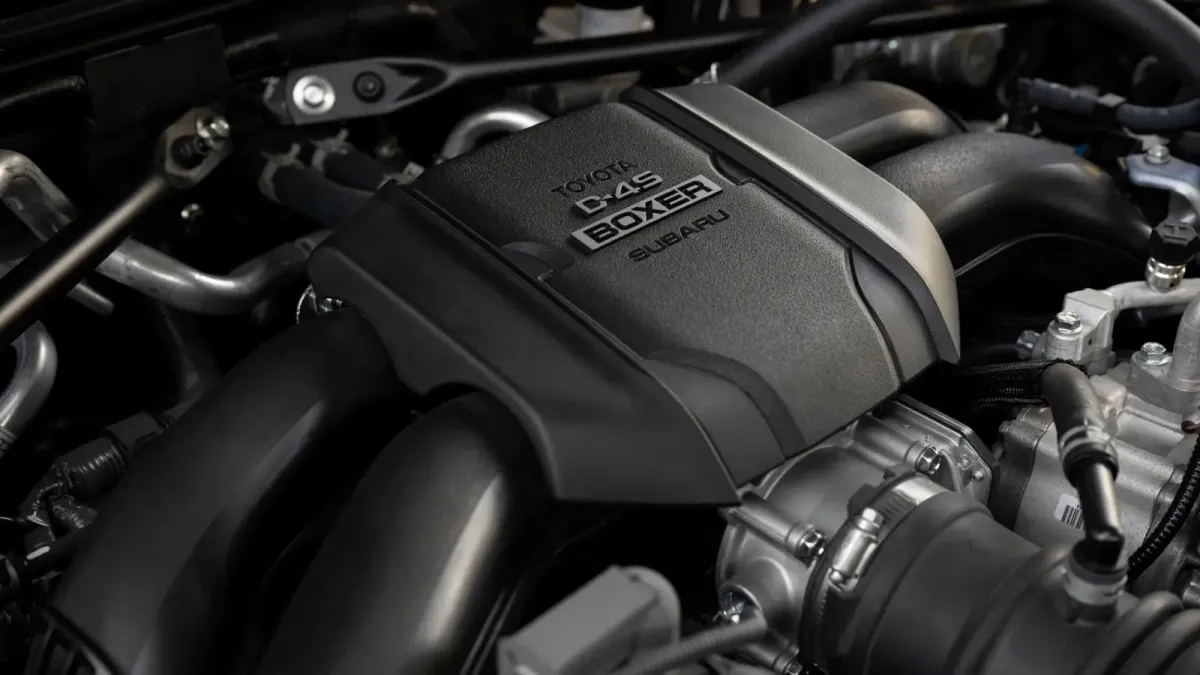
Goodbye Boxer, Subaru's 60-Year-Old Engine Officially Ends European Production Next Year
This story deserves to be shared
Send it to someone who'd care, or post it on your networks.
Chris Bruce has worked in the automotive industry since 2011 and has written thousands of stories about cars, motorsports, and motorcycles in that time. He has written for Autoblog, Autoviva, CarFax, Edmunds, Hagerty, InsideEVs, Motor1, and New Roads. He has also hosted hundreds of podcast episodes. As hobbies, Bruce enjoys building plastic models of robots and cars. He also enjoys video games, particularly the 16-bit variety. His dog keeps him busy.
In 2026, Subaru celebrates the 60th anniversary of introducing its first boxer four-cylinder engine in 1966. The unit had modest beginnings, with a 977-cc flat-four making 55 horsepower to power the Subaru 1000. Since then, the flat powertrain layout has become inextricably linked to the brand. All-wheel drive, the brand's other hallmark, arrived in 1972. However, Subaru's boxer engine won't enjoy another major anniversary, at least in one market.
This article is an excerpt. To read the full content, visit the original source. CarBuzz
Related articles

Avis Billed a Man More Than $4000, Claiming He Drove 18,000 Miles in 7 Days
Family road trips are usually full of unexpected occurrences. Somebody needs to hit the restroom minutes after leaving the last stop; nobody agrees on where to get lunch; someone constantly wants to know how much longer until they get where they’re going. But according to one Avis bill, a Toronto man's trip also involved the sort of non-stop driving that would interest an endurance racing team, as the company charged him for covering almost 18,000 miles in a week. When one simply divides the mileage by the time allotted, the plausibility of the charge becomes comical. According to Toronto CityNews, Yuehao Huang rented a vehicle in Montreal on September 11 for a seven-day family trip. He says his phone recorded roughly 1400 km (870 miles) traveled during the journey, including walking. Yet Avis billed him for 28,933 km (17,978 miles), adding about CA $5900 (roughly $4200 at current exchange rates) to a prepaid rental costing more than CA $1000 ($710 USD). Let's do the math. Seven full days contain 168 hours, so covering the billed distance would require averaging 172 km/h (107 mph) throughout every one of them.
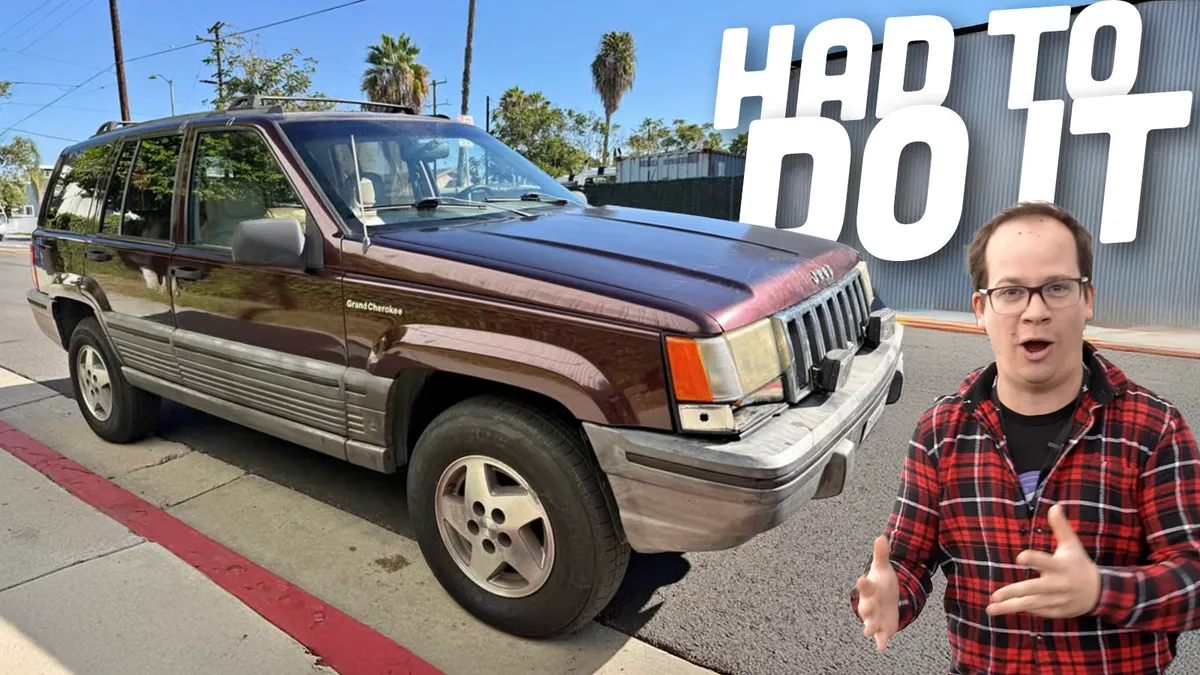
I Bought This Low-Mileage Jeep Grand Cherokee For Only $1,700 After Realizing My ‘Holy Grail’ Project Is Doomed
“David, can you please fix the garage?” my wife Elise asked me on Sunday. “You barely have any time to do house stuff, and today you’re free.” She’s right about the first part — The Autopian really does take up all of my time, and the garage does need to be fixed — but she wasn’t quite right about the second part. I wasn’t exactly free; I had a Jeep to look at. Convincing Elise that me looking at another Jeep somehow made sense was… a challenge. Frankly, I was unable to successfully do it before heading out the front door, and that did weigh on me a bit as I drove my BMW i3 to follow my own advice, which I dished out last week in my article “Why The ‘Early’ 1993 Jeep Grand Cherokee Is The Best Deal In All Of Jeeps.” I think writing that article altered my algorithm, serving me an ad for a gorgeous early-1993 Jeep ZJ for sale for just $2,300. The car looked minty fresh in the pictures aside from a bit of front-end damage and some sap on the paint.
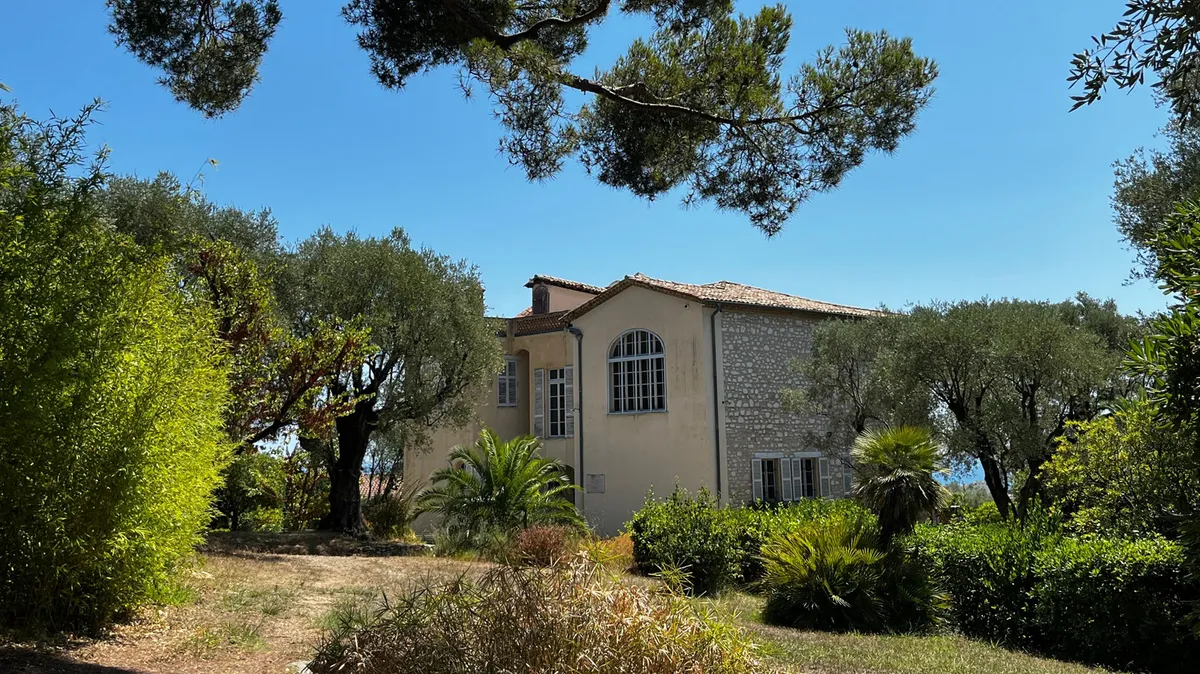
Police Use Vehicle Tracking To Foil $4.7 Million Renoir Heist On The French Riveria
Despite what Hollywood movies and some police departments would have you believe, deadly car chases are far from the only way to thwart multi-million-dollar heists. French investigators used DNA evidence and vehicle tracking to recover two paintings by Pierre-Auguste Renoir, valued at $4.7 million, that were stolen in a brazen burglary in the South of France in September. Authorities also arrested six people allegedly tied to the heist. One suspected thief led police to his co-conspirators by simply driving to their homes. As if ripped from the silver screen, our scene opens in the picturesque Nice suburb of Cagnes-sur-Mer on the French Riviera. The town hosts the Musée Renoir, a small gallery on the famed impressionist's hilltop farmhouse estate. On the morning of September 8, two thieves gained entry by cutting through the museum fence with an electric saw. According to Smithsonian Magazine, the duo then used the saw to slice off the bolts holding four paintings in place. All four works were on loan from the Musée d'Orsay in Paris.
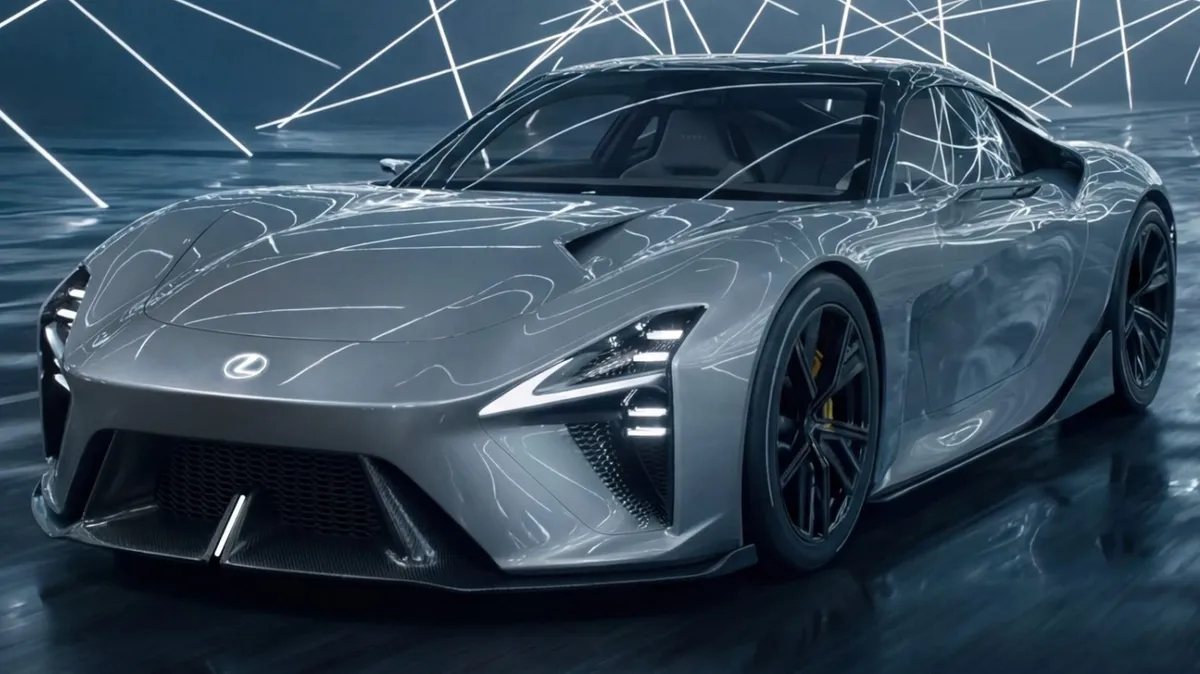
The New Lexus LFA Could Have Fake Shifts, But It Won't Match The Old V10
A recent patent filing sheds light on the new shifter Most car enthusiasts would agree that driving an EV isn't as enjoyable as driving a car with an engine and a transmission. Electric cars can be extraordinarily quick, but most lack the emotion that rev-heads crave. Fortunately, a new simulated transmission for EVs patented by Toyota may bring some much-needed fun to EVs. Hyundai pioneered simulated transmission technology on the Ioniq 5 N, and more recently added it to the Ioniq 6 N and Genesis GV60 Magma with its N car vibe.
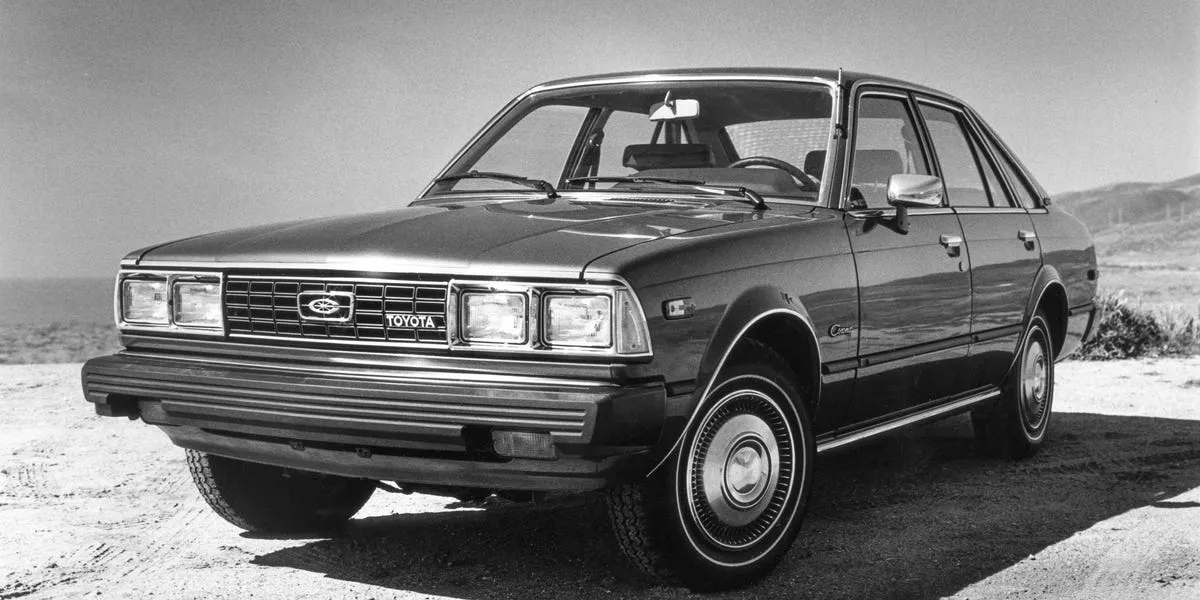
View Photos of the 1979 Toyota Corona LE Liftback
Aaron Kiley|Car and DriverAaron Kiley|Car and DriverAdvertisement - Continue Reading BelowAaron Kiley|Car and DriverAaron Kiley|Car and DriverAdvertisement - Continue Reading BelowAaron Kiley|Car and DriverAaron Kiley|Car and DriverAdvertisement - Continue Reading BelowAaron Kiley|Car and DriverAaron Kiley|Car and DriverAdvertisement - Continue Reading BelowAaron Kiley|Car and DriverAaron Kiley|Car and DriverAdvertisement - Continue Reading BelowAaron Kiley|Car and DriverAaron Kiley|Car and DriverAdvertisement - Continue Reading BelowAaron Kiley|Car and DriverAaron Kiley|Car and DriverAdvertisement - Continue Reading BelowAaron Kiley|Car and DriverFor Sale Near YouSee all results for near 450063
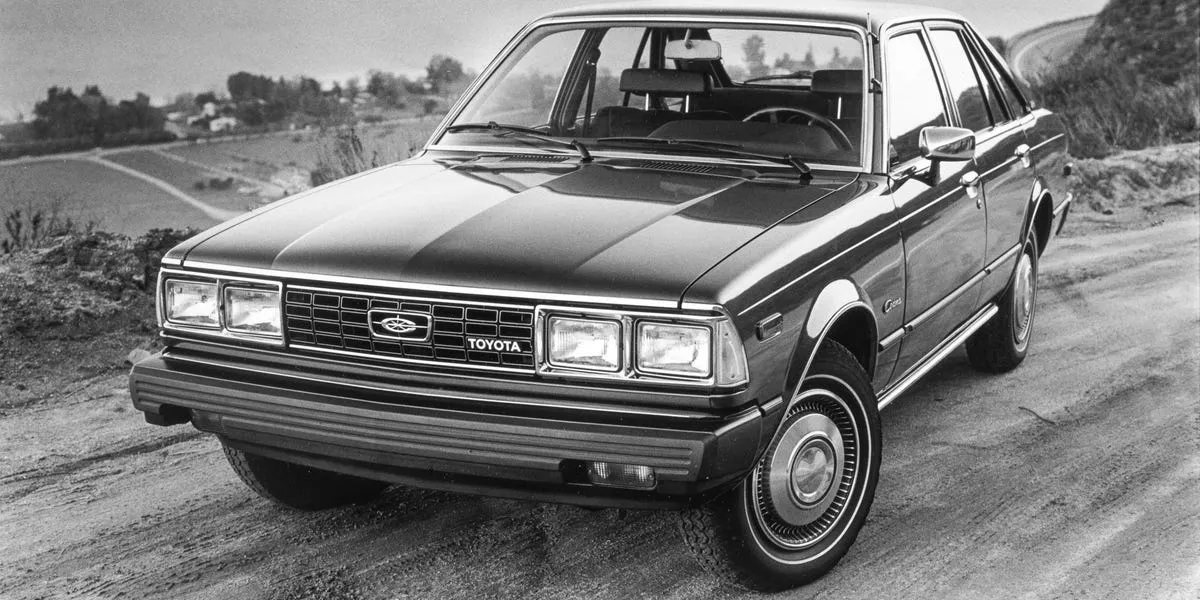
Archive Road Test: 1979 Toyota Corona LE Liftback
From the June 1979 issue of Car and Driver. The Toyota Corona has been around long enough that we all know it isn’t an Asian cigar. Coronas have traditionally embodied the Japanese idea of how Japan ought to interpret the standard American sedan, albeit smaller and a few years out of styling phase. Toyota, however, never allowed those small discrepancies to interfere with league-leading sales in the United States. What happens in that league within the next two or three years will bear close watching, because Toyota has chosen to increase the interior capacity of the Corona through the time-honored American method of an overall stretch job, consciously rejecting more modern, more efficient ways of creating greater carrying capacity. Moreover, while the Corona retains the old-fashioned front-engine-rear-drive layout, even the Americans are switching to front-wheel drive. The new Corona is nothing if not a shriveled-up Mercury Marquis. It has all the qualifications: quiet cruising, super-plush interior, doodads here, thingamajigs there. On this score, the Corona is another direct hit for Toyota—if it determined the correct grid coordinates before calling in the strike.
0 comments
No comments yet. Be the first to share your thoughts!