GM Going All-In On AI To Power OnStar And Fast-Track Next-Gen Vehicles
This story deserves to be shared
Send it to someone who'd care, or post it on your networks.
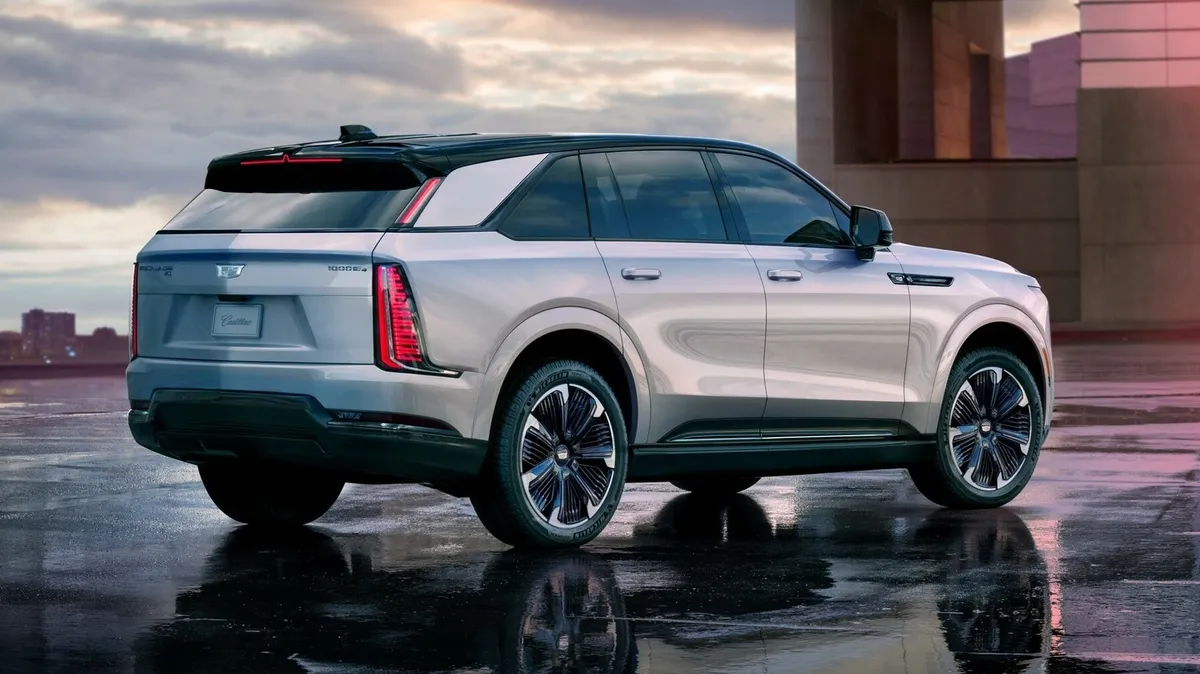
Artificial intelligence is much more than a buzzword in the automotive industry and is fundamentally changing how companies design, develop, and build cars. General Motors is the latest to dive headfirst into the AI future, promising to speed up new model launches because of it. AI will also make interacting with a GM product very different.
In a bid to ensure they can keep up with new players from China, legacy manufacturers understand the importance of bringing new products to production quickly. It's typically taken GM products of the past four to five years to move from concept to production. By leaning on AI, virtualization, and combining its design, engineering, and manufacturing into a single "unified digital thread," the carmaker wants to slash that to about two years.
This article is an excerpt. To read the full content, visit the original source. Carscoops
Related articles
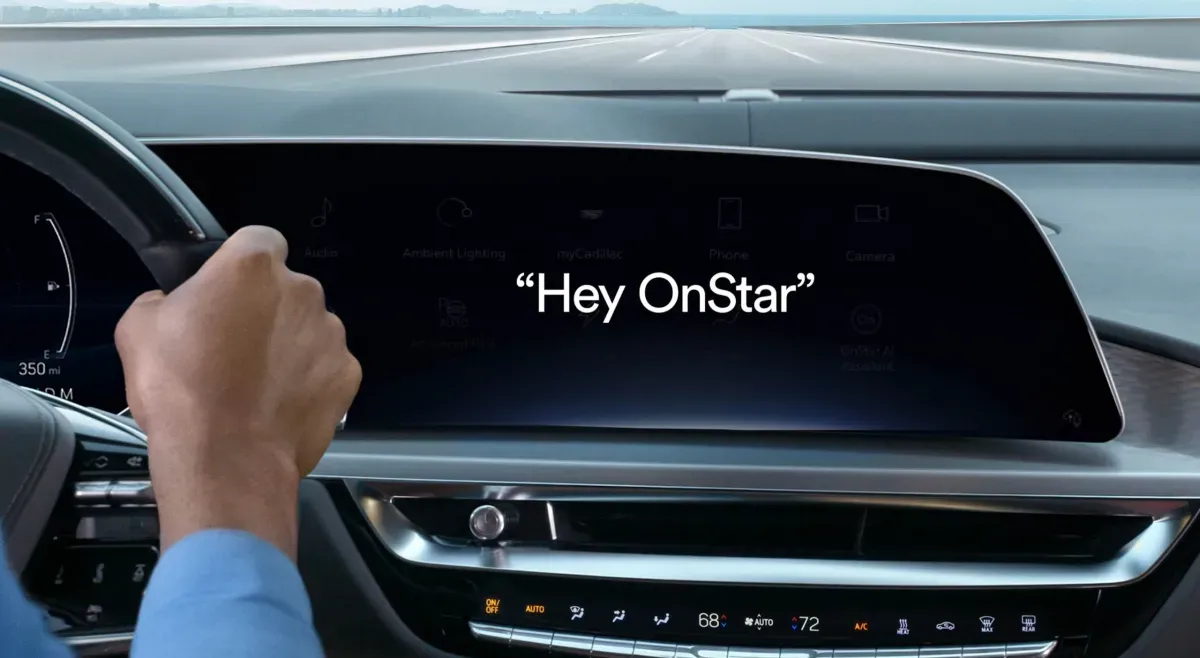
GM Is Rebooting OnStar as Your Personal AI Assistant—and Killing Off Its Brand Apps
On Wednesday in New York City, General Motors laid out its future, and a large part of it is rebooting its OnStar service and wrapping it into your life as your own personal AI-powered assistant. GM’s Chief Product Officer Sterling Anderson said, “The intelligence of OnStar will exist everywhere.” And he means everywhere. Your car. Your phone. The cloud. Even your fleet management software.

OnStar turns 30: The technology and people behind every emergency response - General Motors
Thirty years ago, OnStar set out to answer a life-changing question: What if a vehicle could detect a collision and call for help when its occupants couldn’t? OnStar helped pioneer Automatic Crash Response technology. Today, it continues to shape the next generation of connected vehicle experiences, from hands-free driving with Super Cruise to in-vehicle AI assistance.
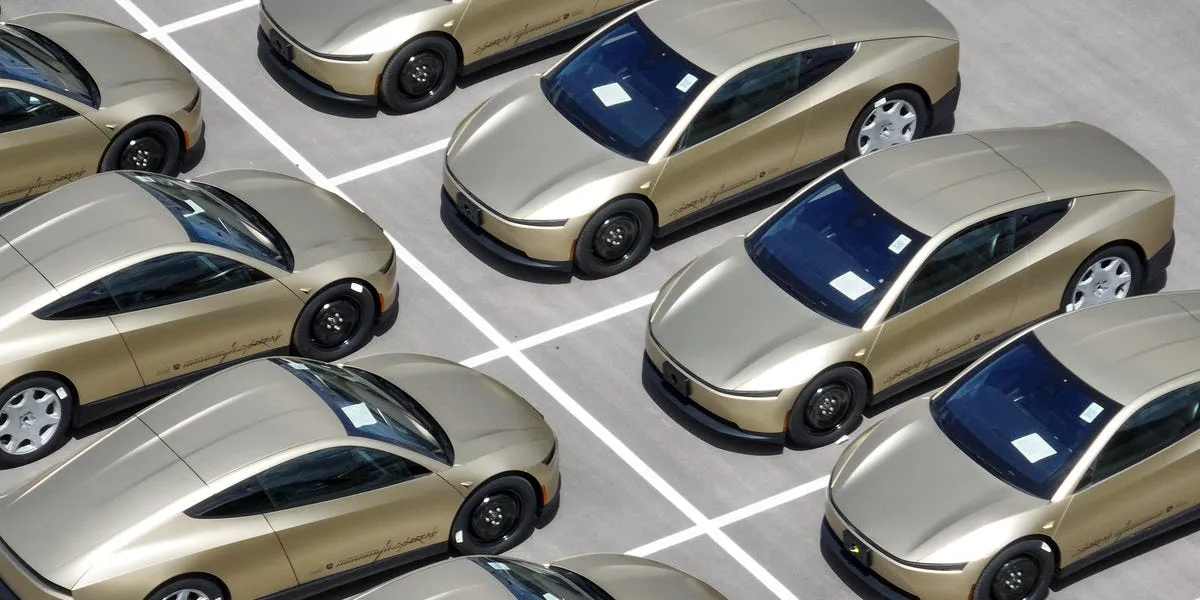
Tesla Trying to Get Cybercab Deliveries Started in 2026, Even As Federal Inquiries Underway: Report
Tesla has been very upfront about autonomy being the future of the Texas-based electric-vehicle startup, apart from the occasional dalliance into human-driven sports cars. And that business model shift is apparently about to begin, as Tesla executives said deliveries of the Cybercab robotaxi will start by the end of 2026, according to Reuters—even as the federal government is currently examining the vehicle and its software. "As Tesla grows, we'll mainly deliver fully designed autonomous vehicles to our customers and Cybercabs will be the first," Tesla vice president of vehicle engineering Lars Moravy said while reporting third-quarter results, Reuters reports. “We're trying to get Cybercabs to customers by the end of this year—2026. As we start small this year, and we learn ... about delivery and ownership and fleet management of autonomous vehicles in customer hands, we'll continue to scale that. "picture alliance//Getty ImagesA small fleet of autonomous Cybercabs began operating in Austin, Texas, earlier this year.
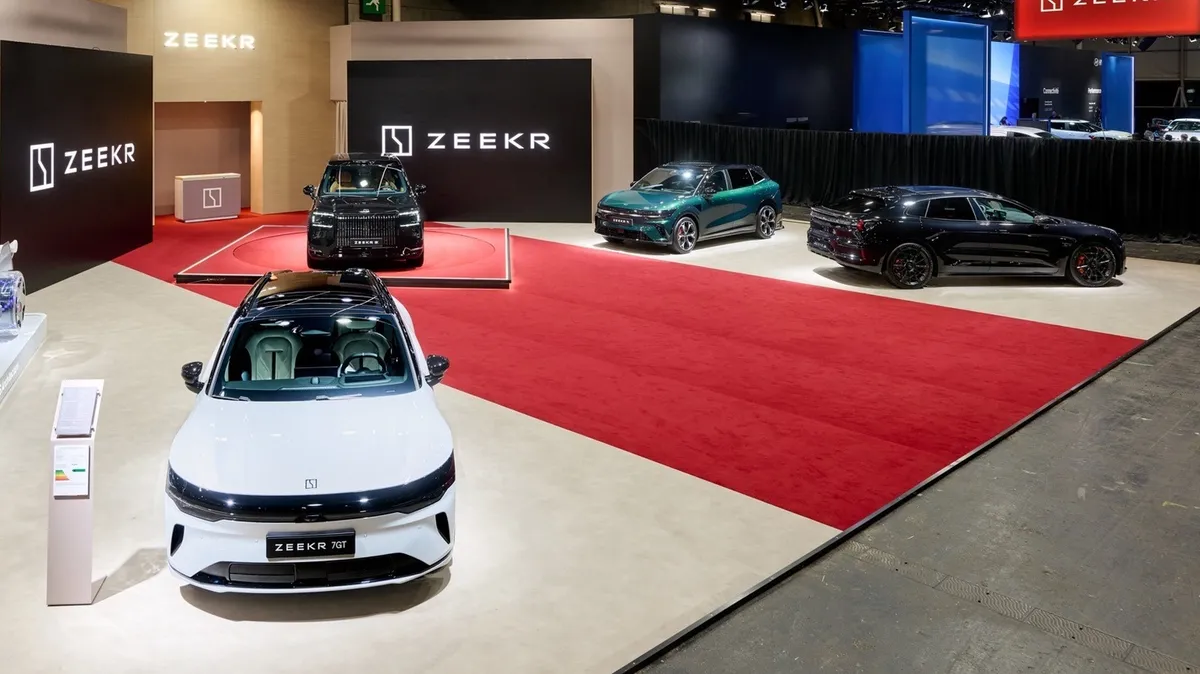
China's Zeekr Says It's Combating A Lack Of Brand Heritage In Europe With Value
There's hardly a segment of the automotive market without at least one –- but usually several -– new automakers from China trying to compete. Of all the Chinese brands that have gone global over the past couple of years, few have made as much of a splash as Zeekr. Owned by Geely but operating independently, the company is aiming straight at traditional luxury brands with a line-up of five models. Pursuing customers who are more inclined to buy from brands like BMW, Mercedes-Benz, Audi, Range Rover, and Lexus isn't easy. Owners of these models are often fiercely loyal and place a high value on brand heritage and the badge. Like people who wear designer clothes, even though they're often made in the same facilities as clothes costing one-fifth the price, many are willing to pay a premium for a luxury vehicle based on the name alone, even if it's not objectively any better than a lower-priced alternative.
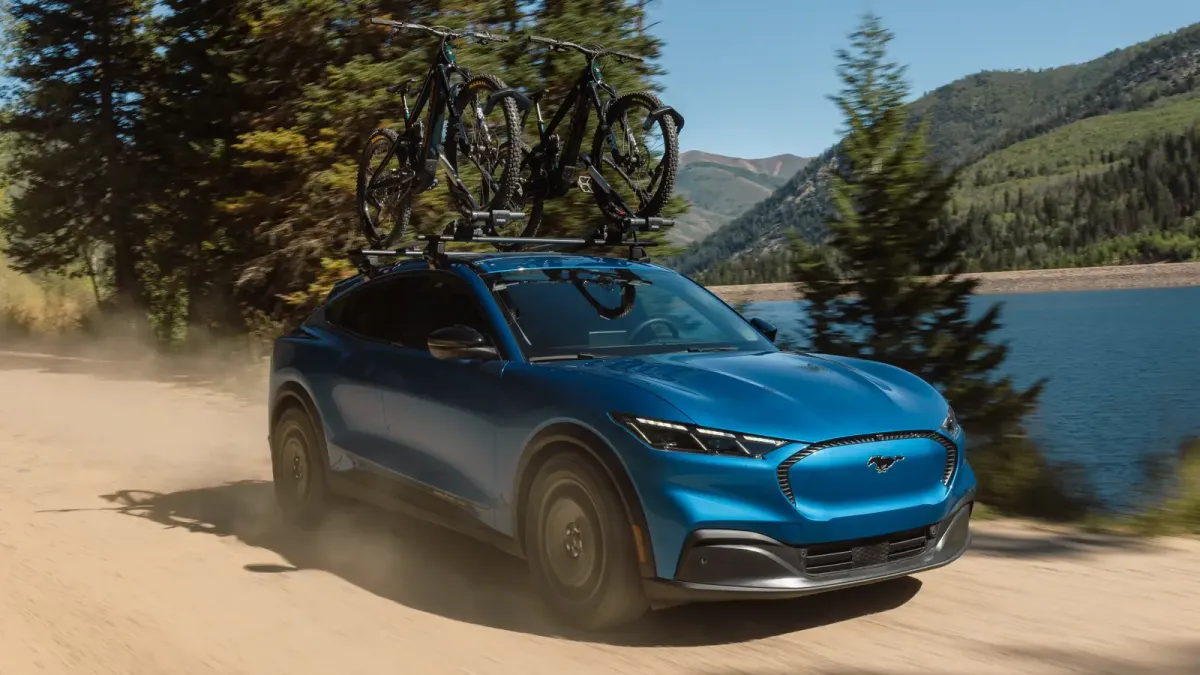
Ford's Cheapest Mustang Mach-E Officially Gets $2,200 Price Increase For A Very Good Reason
Chris joined CarBuzz in June 2025. He's held positions at Ford and Motor1, and contributed to Autoblog, Car Throttle, Auto Trader, and many other motoring outlets during his 28-year career. Chris holds a BA in English from Western Michigan University and an AA in Journalism. Growing up in the 1980s in the shadow of Detroit, Chris didn't realize he was witnessing a turning point in automotive history. He just thought digital dashes and pop-up headlights were cool, and no car could ever be as awesome as KITT from Knight Rider. He also came from a car-crazy family, so when he graduated from college with English and Journalism degrees, he applied his communication talents to the wild world of cars.
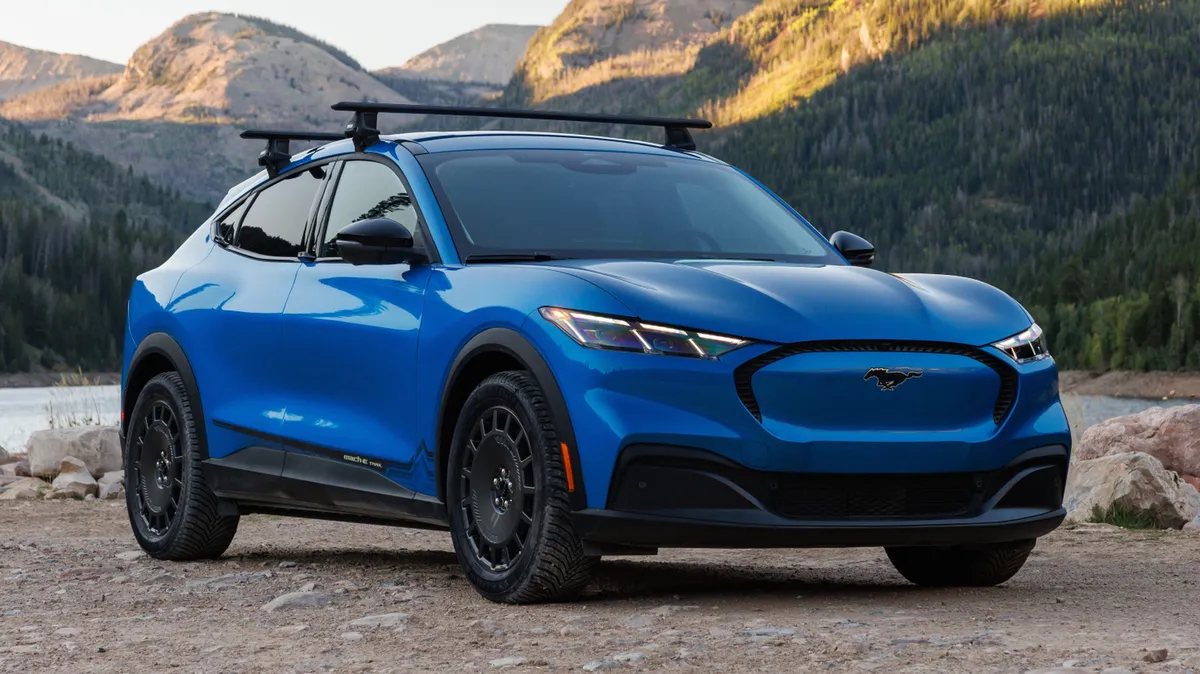
2027 Ford Mustang Mach-E Gains Standard Extended Range, New Trail Package, And Better Price
Mach-E Buyers will be able to Trail or Rally, with more standard range across the board Ford has announced a series of 2027 model year updates for the Mustang Mach-E, six years after its debut. The fully electric crossover gains a new Trail Package, tailored for light off-roading adventures. It also comes standard with the extended-range battery and is offered at a better starting price compared to the equivalent version of its predecessor.
0 comments
No comments yet. Be the first to share your thoughts!