Gilgamesh by Simon Armitage review – an ancient epic is brilliantly translated for our times
This story deserves to be shared
Send it to someone who'd care, or post it on your networks.
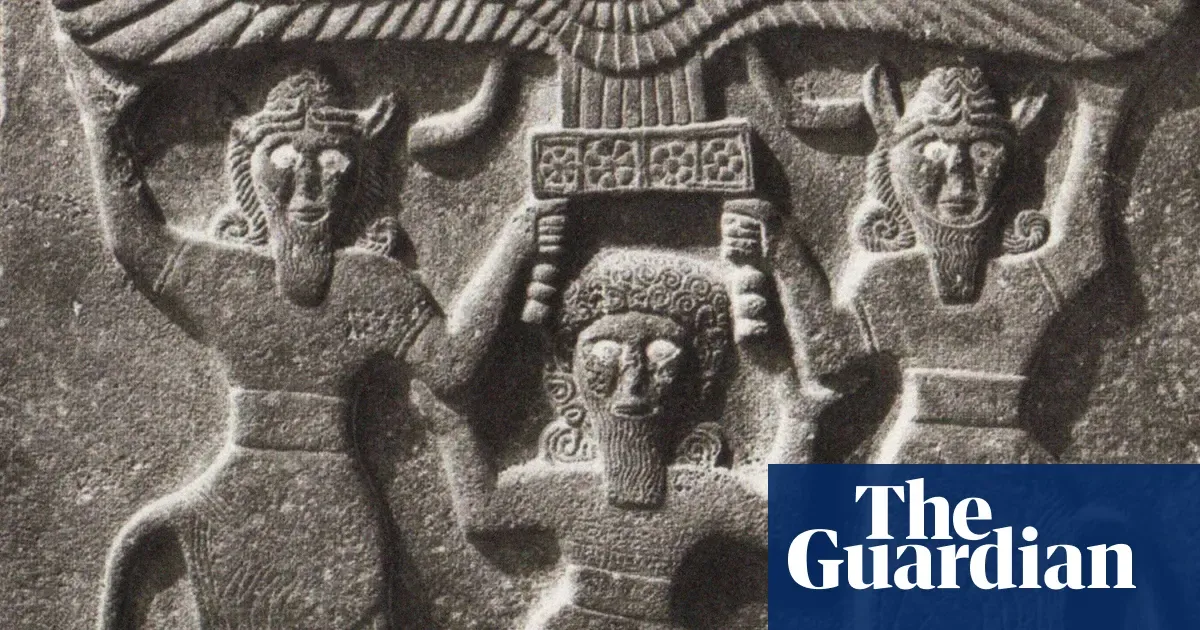
The poet laureate is paid a salary of £5,750 per annum plus a barrel of sherry. No specific duties are attached to the role, but there is an expectation that poets will write verse for public occasions and royal events, a duty that Simon Armitage has fulfilled by writing a poem on the death of Elizabeth II, Floral Tribute, and another to mark the coronation of Charles and Camilla in 2023. Though it’s an awkward time for the royals, no laureate is going to write about them behaving badly (it wasn’t John Dryden, the first laureate, who wrote about Charles II’s bedroom habits, but John Wilmot, Earl of Rochester). And yet with Gilgamesh, Armitage does deliver a poem about royalty’s misdeeds, at least in part. The epic originated in ancient Mesopotamia (modern-day Iraq) at least 4,000 years ago, and it begins with the eponymous demigod, king of Uruk, lording it over his subjects. Among other bad habits, he exercises the “right of the first night”, which allows him to bed newlywed brides before their husbands. To check his powers, the gods create his counterpart, the wild man Enkidu, who confronts Gilgamesh outside the house of one of these brides.
This article is an excerpt. To read the full content, visit the original source. The Guardian Culture
Related articles

Twelfth Night review – Mathew Horne oozes arrogance as a brilliantly buttoned-up Malvolio
You can picture Mathew Horne’s Malvolio as a guest on an early 1970s BBC Two arts show. With his buttoned-up collar, tight black suit and supercilious delivery, he oozes self-satisfaction. Trusting in his superior taste, he has the pose to prove it: stiff, studied and haughty. His fall from grace, tricked into dressing up as a yellow-stockinged morris dancer, is as funny as it ever is in Shakespeare’s comedy. It is the comeuppance of the arriviste. Brought down to size, he is no less indignant for it. In a smart, unyielding performance, he goes from pompous to bruised – and ever unrepentant. Where Malvolio is urbane, Genevieve Dawson’s live score has a folk-club earthiness. Played on clarinet, guitar and violin, it is haunting and whimsical, with a similarly 1970s vibe, like something from The Wicker Man. Irresistible … Justina Kehinde and Bebe Sanders in Twelfth Night. Photograph: Manuel HarlanCalling the musicians to order, David Birrell plays Feste less as the fool than the troubadour, one blessed with expensive dress and surprising wisdom, as well as a voice correctly identified by Sir Andrew Aguecheek (James Chetwood) as “mellifluous”.
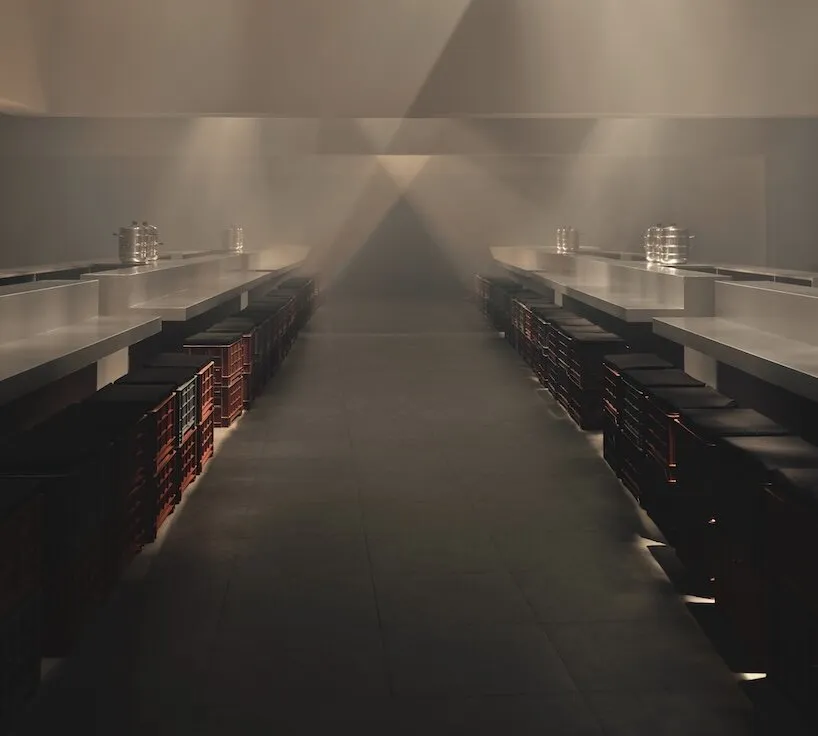
rirkrit tiravanija designs thai boat-inspired tables for we are ona’s dalad’s pop-up in paris
created with we are ona and chef dalad kambhu for art basel paris 2026, the installation brings thai cooking and communal dining into two boat-shaped structures inspired by traditional fishing boats, transforming the act of sharing a meal into a collective artistic experience. Iñaki Laguardia October 20, 2026 6 min prefer designboom on googleRIRKRIT TIRAVANIJA BRINGS THAI FISHING BOATS TO ART BASEL PARISThai artist Rirkrit Tiravanija has designed two monumental stainless steel tables inspired by traditional Thai fishing boats for Dalad’s, a temporary restaurant presented by We Are Ona during Art Basel Paris 2026. Installed inside a secret location near Place de l’Étoile, the elongated structures function simultaneously as dining tables and working kitchens, with integrated seating and steam pots that allow food to be prepared and served directly in front of guests. Conceived in collaboration with chef Dalad Kambhu and We Are Ona founder Luca Pronzato, the installation places cooking and social interaction at the center of the architectural experience.

designboom listens: what does space sound like to kengo kuma?
the music of ryuichi sakamoto, brian eno, and mulatu astatke offers a glimpse into the memories, rhythms, and ideas that accompany the architect’s creative practice. thomai tsimpou October 20, 2026 5 min prefer designboom on googlekengo kuma on music as a source of architectural inspirationFor Japanese architect Kengo Kuma, music is closely tied to the way he thinks about space. A longtime admirer and personal friend of Ryuichi Sakamoto, he sees parallels between the composer’s approach to music and his own work in architecture. ‘He created a new image of what an Asian artist could be, crossing boundaries between East and West, tradition and modernity,’ Kengo Kuma tells us. His selections for this edition of designboom listens move between jazz, ambient music, classical compositions, and experimental sounds, with each track offering a different point of entry into his creative practice. In our weekly series, we explore the music behind creative practice, asking people from different fields what they listen to when they need inspiration, get stuck on a project, or find themselves drawn back to a particular memory.
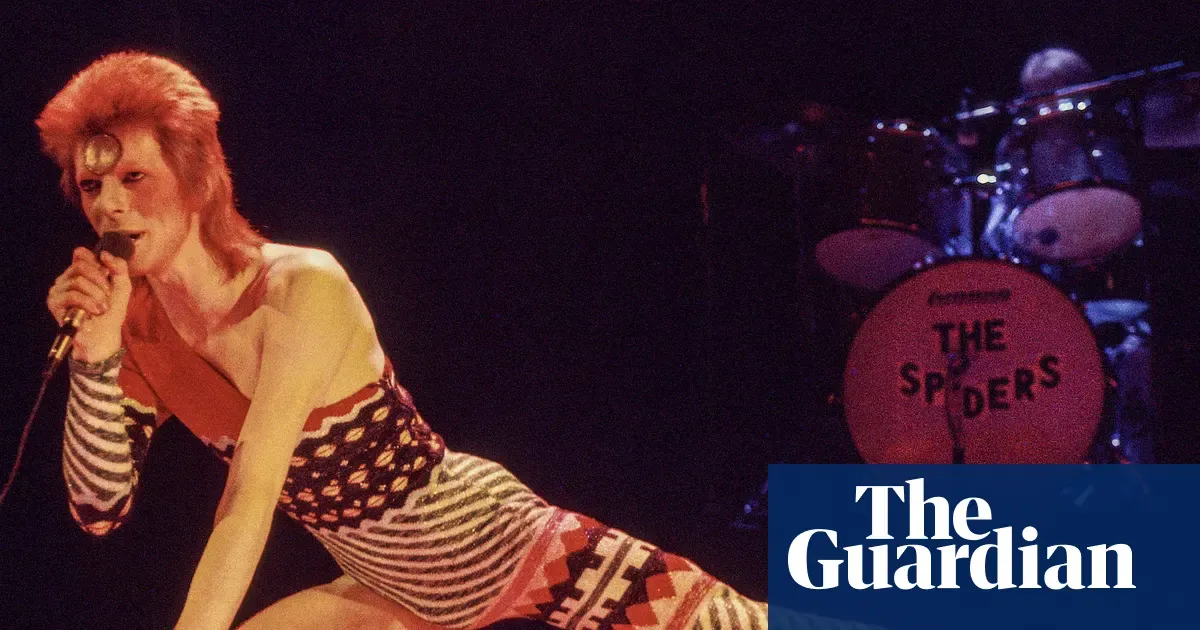
Getting Ziggy with it: David Bowie’s alter egos inspire dance show that will transform his songs
‘Let’s dance,” sang David Bowie in 1983, commanding: “Put on your red shoes and dance the blues.” That call is to be answered – with footwear TBC – by an international dance production featuring new choral arrangements of songs from throughout his career. Subject to Change: A Dance for David Bowie will be staged at Sadler’s Wells in London in autumn 2028 after a world premiere in Luxembourg. It will visit Tokyo in 2029. The show will explore how Bowie “practised a form of artistic reincarnation” according to Spanish choreographer Marcos Morau who is taking inspiration from the superstar’s transformations into personas such as Aladdin Sane and the Thin White Duke. “One of the greatest dangers for an artist is ending up resembling themselves too much,” said Morau. “Bowie turned change into a way of remaining true to himself. That inspires me deeply. I believe every new work should force us to let go of some certainty. Art shouldn’t serve to confirm who we are, but rather to accept that life transforms us, that we change over time, and that our own contradictions help us grow.”‘What happens when his songs leave behind the voice we all know?’ … Bowie in his Thin White Duke era in 1976.
0 comments
No comments yet. Be the first to share your thoughts!