Giant 'Phantom' Jellyfish Found With Entourage of Fishy Passengers Hitching a Ride - ScienceAlert
This story deserves to be shared
Send it to someone who'd care, or post it on your networks.
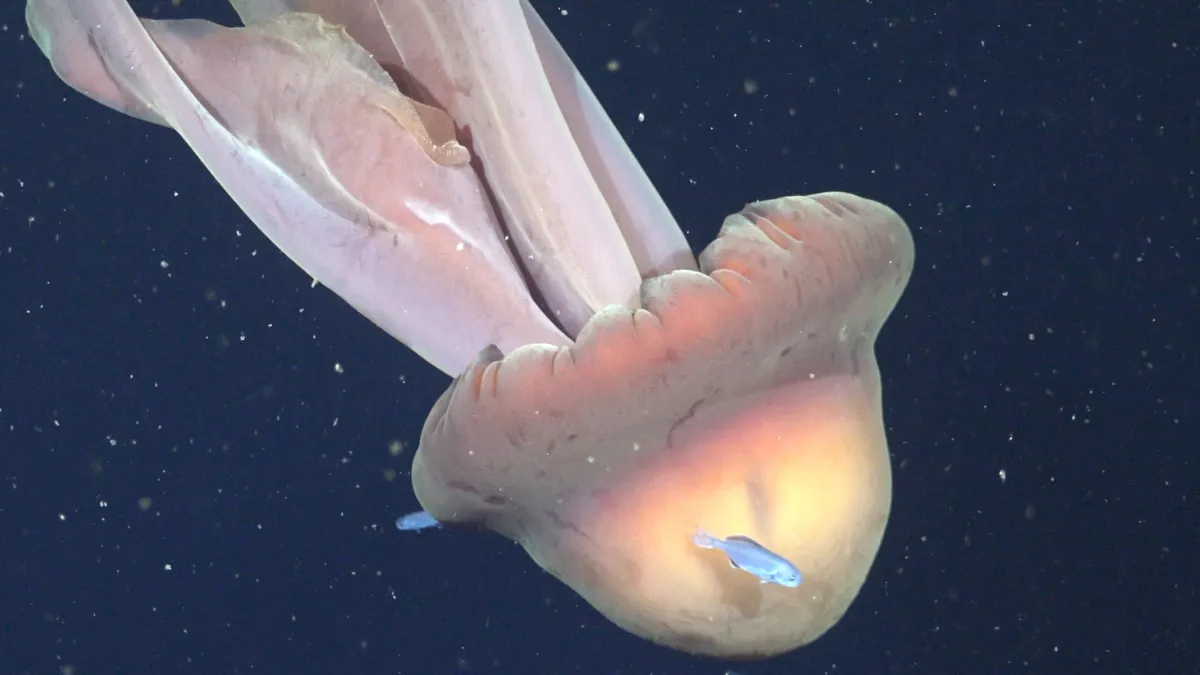
If you're just a wee fish swimming around the big, scary ocean, it can help to have a bit of muscle on your side. For some fish, that's the protection offered by stinging coral. For others, it's adhering to the sandpaper skin of a deadly shark. And for one species of fish, it may be cozying up to one of the most enigmatic denizens of the deep – the giant phantom jellyfish (Stygiomedusa gigantea). During an ROV dive into mesopelagic waters off the coast of Argentina, marine researchers beheld a rare and stunning sight. They witnessed a majestic jelly languidly pulsing through the darkness, and with it, an entire entourage of juvenile rudderfish (Centrolophus niger), flitting beneath its bell and among its enormous, trailing arms. It's an interspecies relationship scientists have suspected for more than 50 years – and now, hundreds of meters below the waves off Patagonia, here it is. "Both are poorly known and rarely observed cosmopolitan mesopelagic species, representing the first documented observation of this association in the deep ocean," writes a team led by marine ecologist María Emilia Bravo of the University of Buenos Aires in Argentina.
This article is an excerpt. To read the full content, visit the original source. ScienceAlert
Related articles
Tiny crabs discovered hitching rides on sea snakes - Popular Science
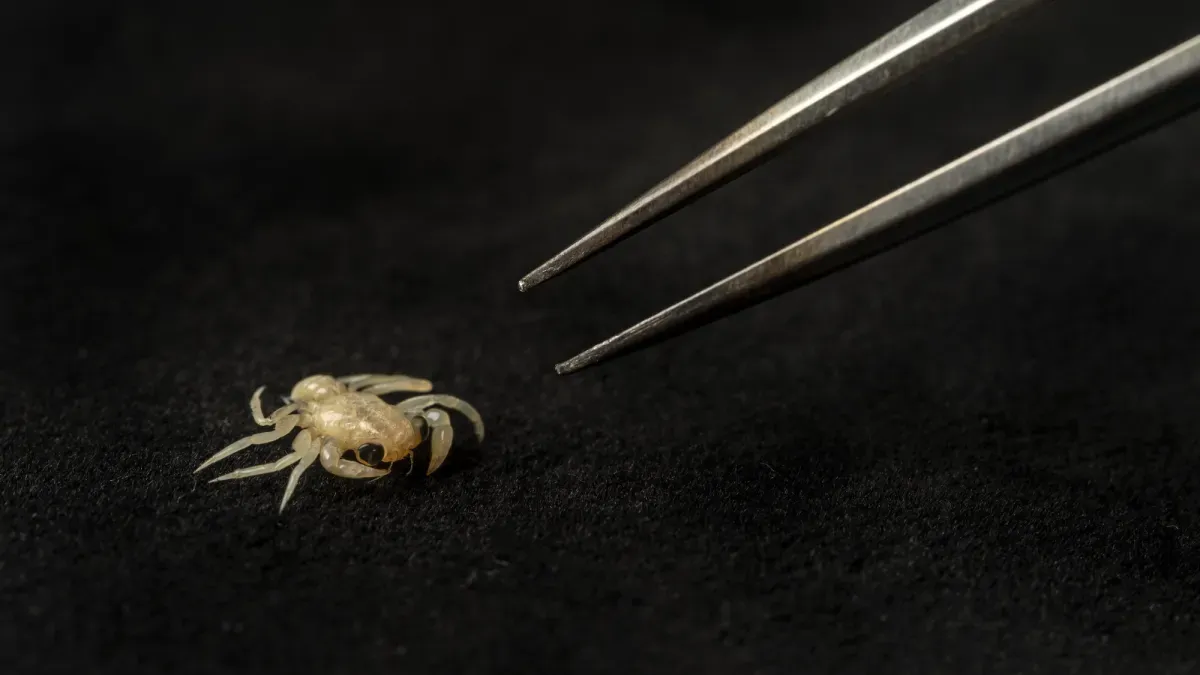
The specimens were technically megalopae, which is the life stage between larvae and adulthood. Many organisms often set up their homes on sea turtles. Known as epibionts, the most noticeable passengers are usually the algae and barnacles clinging to the marine reptile’s protective shell. Other epibionts include tiny crabs in the Planes genus who frequently hitch rides inside the crevices between a turtle’s shell and body.
Planes on a snake? Scientists discover crabs hitching a ride on sea snakes - Florida Museum of Natural History
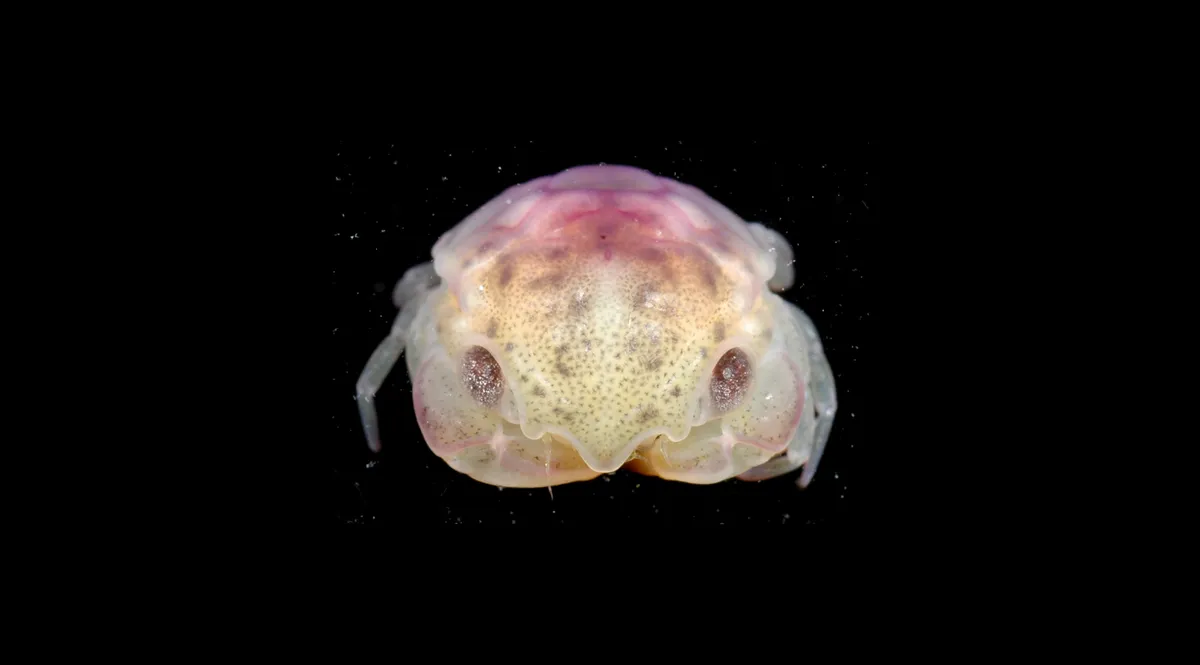
In 2012, scientists working off the Pacific Coast of Costa Rica found dozens of sea snakes with crabs and other marine animals living on them. It was the first time any motile animal had been documented living on sea snakes. The crabs were thought to be oceanic rafting crabs in the genus Planes, which are known associates of sea turtles, but they could not be confidently identified at the time. The crabs were preserved and curated at the Florida Museum of Natural History for future study.
Is a Scientist Hitching a Ride on Your Next Cruise? - National Geographic

Phantom Peak plots expansion into new cities and entertainment formats - Attractions Management
Nick Moran says the ambition for Phanton Peak extends to “multiple towns, new formats, new cities” Original immersive attraction drew more than 160,000 visitors

Scientists Just Revived Pig Kidneys Frozen for a Year. It Could Rewrite the Future of Organ Transplants - Gizmodo
Much like sushi or political humor, badly needed donor organs tend to have a pretty short shelf life. By current estimates, vital organs like a heart or a lung need to be transplanted into their waiting human recipient within six hours or less, while the most hardy of these organs, the kidney, can only remain viable for up to 36 hours before surgery. These unforgiving expirations dates have helped keep over 100,000 Americans (and counting) stuck on the waiting list for a new organ—but surgeons and medical researchers at the University of Minnesota have just reported a breakthrough that might finally get this line moving. A university team, co-led by transplant surgeon Erik Finger, says it has effectively kept pig kidneys in cold storage for months, and in one case over a year, managing to gently thaw, test, and successfully transplant these warmed-over organs into test pig recipients. The research, published as a pre-print with bioRxiv while it awaits peer review, confirmed that the once-frozen organs had both regained their color and helped the test pigs produce urine: critical signs that restored blood flow and organ function had been achieved.
0 comments
No comments yet. Be the first to share your thoughts!